

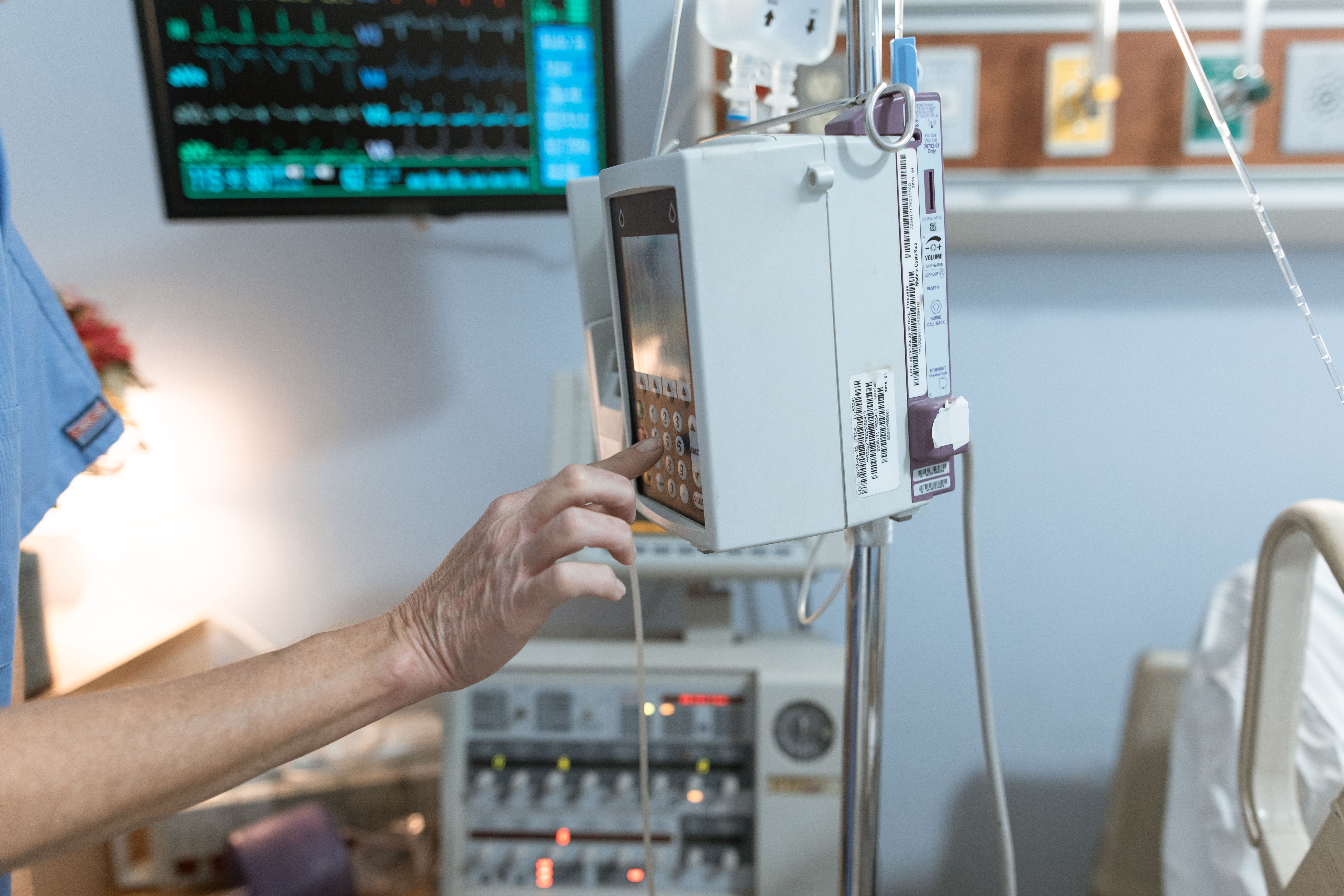
Notification Fatigue in Healthcare: Causes and Fixes
Alarm fatigue, EHR pop-up overload, and a constant stream of app notifications are usually discussed as separate problems. They aren't. Each one is the same mechanism, repeated desensitization to alerts, showing up in a different channel. A 2025 scoping review of 32 studies found alarm fatigue directly linked to frustration, burnout, chronic stress, and sleep disturbance among healthcare professionals. This isn't a minor annoyance clinicians should simply tolerate. It's a documented, measurable driver of burnout, and understanding it as one connected problem, not three separate ones, is the first step toward actually fixing it.
- Physiologic monitors across 66 adult ICU beds generated more than 2 million alerts in one month, averaging 187 warnings per patient per day, in a widely cited study.
- A 2025 scoping review of 32 studies found alarm fatigue linked to burnout, elevated blood pressure, chronic stress, and sleep disturbance, though not every study found this association, meaning the link is well-documented but not universal.
- Alarm fatigue, EHR alert fatigue, and messaging notification overload share the same underlying mechanism: desensitization from excessive, often non-actionable alerts.
- A 2011 investigation linked failure to heed physiologic monitor alarms to more than 200 deaths over 5 years, illustrating the real stakes of treating this as a minor workflow issue.
- Evidence-based fixes exist and are specific: alert tiering by severity, tailoring alerts to individual patient risk, and routing notifications directly to the responsible person instead of broadcasting to everyone.
What Is Notification Fatigue in Healthcare?
Notification fatigue is the cumulative desensitization that happens when healthcare workers face a high volume of alerts across every channel they use, bedside monitors, EHR pop-ups, and secure clinical messaging apps alike, to the point where they respond more slowly or start ignoring alerts altogether, including the ones that actually matter. It's the umbrella term for what's more narrowly studied as alarm fatigue (device and monitor alerts) and alert fatigue (EHR and clinical decision support warnings), and it's increasingly relevant to a third source: notifications from the healthcare communication apps clinicians now carry on their phones all shift.
The Scale of the Problem
The numbers behind this healthcare notification overload are larger than most people expect, and they're not limited to one type of alert, as AHRQ's Patient Safety Network has documented in detail.
These aren't abstract numbers. A patient safety report has documented a case where a hospitalized teenager received a 38-fold overdose of an antibiotic, in significant part because colleagues had advised the ordering physician to "just ignore the alerts" flooding the system. That's the practical endpoint of unmanaged alert volume: clinicians develop a habit of overriding warnings, and the habit doesn't distinguish between the alert that doesn't matter and the one that does. Alert volume also isn't uniform across care settings; our breakdown of alarm fatigue in the ICU vs. general wards looks specifically at how the problem differs by unit type.
Why This Happens: The "Crying Wolf" Effect
A 2025 scoping review proposes a working definition worth using directly: alarm fatigue is repeated exposure to frequent or non-actionable alarms that leads to sensory overload, emotional strain, and a gradual desensitization or reduced responsiveness among healthcare professionals. The mechanism has a name clinicians already use informally: the "crying wolf" effect. A high frequency of false alarms erodes trust in the alarm system itself, and that eroded trust generalizes into a broader pattern of alert overload, staff begin disregarding alerts even when a specific one may be signaling a genuine problem.
AHRQ's patient safety network frames this as a paradox: alert systems are built to improve safety, but past a certain volume, they produce the opposite effect. Clinicians facing 100+ daily alerts don't evaluate each one individually; they develop a pattern of overriding most of them, and that pattern doesn't selectively spare the alerts that matter most.
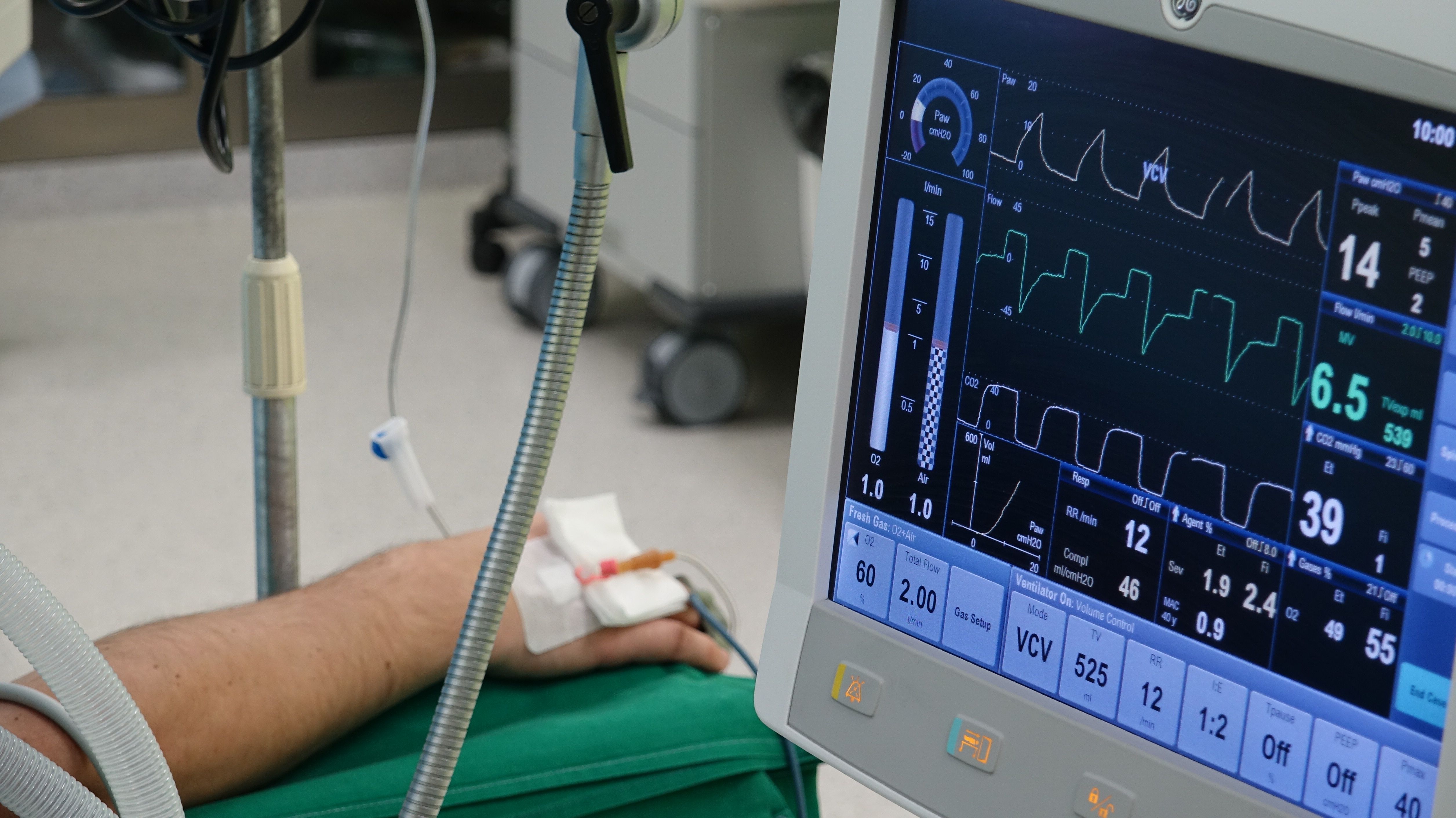
Notification Fatigue vs. Alarm Fatigue vs. Alert Fatigue
These three terms get used loosely, but they map to different alert sources, even though they produce the same underlying effect. Alarm fatigue specifically refers to bedside device and monitor alerts, the original context the term was coined in. Alert fatigue usually refers to EHR and clinical decision support warnings, like drug-interaction pop-ups. Notification fatigue is the broader umbrella that also captures alerts from secure clinical messaging and other healthcare communication tools, a source that's grown significantly as more clinical coordination has moved onto phones and apps rather than pagers and overhead pages.
The distinction matters less for diagnosis and more for solutions: an intervention that only addresses bedside alarms won't touch the notification load coming from a messaging app, and vice versa. Treating all three as one connected problem, rather than three separate ones with three separate teams responsible for fixing them, is what actually opens up a coordinated fix.
This Is One Problem, Not Three
Alarm fatigue, EHR alert fatigue, and app notification overload get studied and discussed as separate topics, but they share the same root cause and the same solution logic. A bedside monitor alarm, an EHR drug-interaction pop-up, and a secure clinical messaging notification are all, mechanically, the same event: an interruption competing for finite clinical attention. Too many alerts in hospitals from any one of these sources compounds with the others, not against a separate attention budget.
The compounding effect: a clinician doesn't experience these three categories separately. They experience one continuous stream of interruptions across all three, and the total volume, not any single source, is what actually drives desensitization and burnout.
The Burnout Connection
The 2025 scoping review's synthesis of 32 studies found alarm fatigue associated with a specific, documented cluster of effects on healthcare workers: performance deterioration, impaired communication, disorientation, and, at the chronic end, frustration, burnout, elevated blood pressure, chronic stress, sleep disturbance, and what researchers call auditory fatigue. This clinician notification burnout pattern was notably found across every practice setting studied, not confined to one specialty, though nurses made up the majority of study samples. For nursing-specific strategies, see our guide on how to reduce alarm fatigue in nursing. The review also flagged that at least one included study found no significant association between alarm fatigue and burnout specifically, so the relationship is well-evidenced across many studies but not universal in every clinical setting studied.
The same review found this pattern occurring globally, not in one country or care setting: 47% of the 32 included studies originated in Asia, 25% in North America, and the remainder across Europe, South America, and Africa, indicating this is a structural feature of modern alert-heavy healthcare technology, not a localized issue.
What Actually Reduces It — And Where to Go Deeper
The alarm-specific side of this is already covered in far more depth, with quantified results, in our dedicated guide: Alarm Fatigue Solutions: What Actually Works in 2026, which documents real reductions of 40-60% through threshold customization, tiered prioritization, and communication platform routing. Rather than repeat that framework here, the piece worth adding is what changes when the same alert-overload logic is applied to the two channels that guide doesn't cover: EHR alerts and clinical messaging.
A Veterans Affairs quality improvement program that applied several of these principles together, combined with clinician education on alert management, achieved a documented reduction in EHR alert volume, described as small but meaningful. That's a realistic expectation across all three alert categories: these interventions produce measurable, incremental improvement, not a single fix that eliminates the problem.
For the full research base behind this cluster, start with our pillar guide on alarm fatigue in hospitals, or go deeper with what the alarm fatigue research actually shows.

Consolidate Alarms, EHR Alerts, and Messaging Into One Inbox
HosTalky brings clinical communication into the same routing logic already proven to cut alarm volume, so the fix isn't limited to bedside monitors alone.
See How HosTalky WorksThe Bottom Line
Notification fatigue isn't a personality flaw or a lack of resilience among clinicians; it's a predictable, well-documented response to excessive clinical alerts that regularly exceed 100 per day, sometimes reaching nearly 200 per patient per day in ICU settings. Treating alarm fatigue, EHR alert fatigue, and healthcare communication notification overload as one connected problem, rather than three separate minor annoyances, is what actually opens up the fixes that work: specificity, tiering, tailoring, and routing alerts to the person who actually needs to see them.
FAQs
What is notification fatigue in healthcare?
How many alerts do healthcare workers actually get per day?
Is notification fatigue linked to clinician burnout?
What actually reduces notification fatigue?
Sources and References
- Michels, E.A.M., Gilbert, S., Koval, I., & Wekenborg, M.K. (2025). Alarm fatigue in healthcare: a scoping review of definitions, influencing factors, and mitigation strategies. BMC Nursing, 24, 664. DOI: 10.1186/s12912-025-03369-2
- UC Davis PSNet Editorial Team. (2024). Alert Fatigue. Agency for Healthcare Research and Quality, Patient Safety Network. psnet.ahrq.gov