

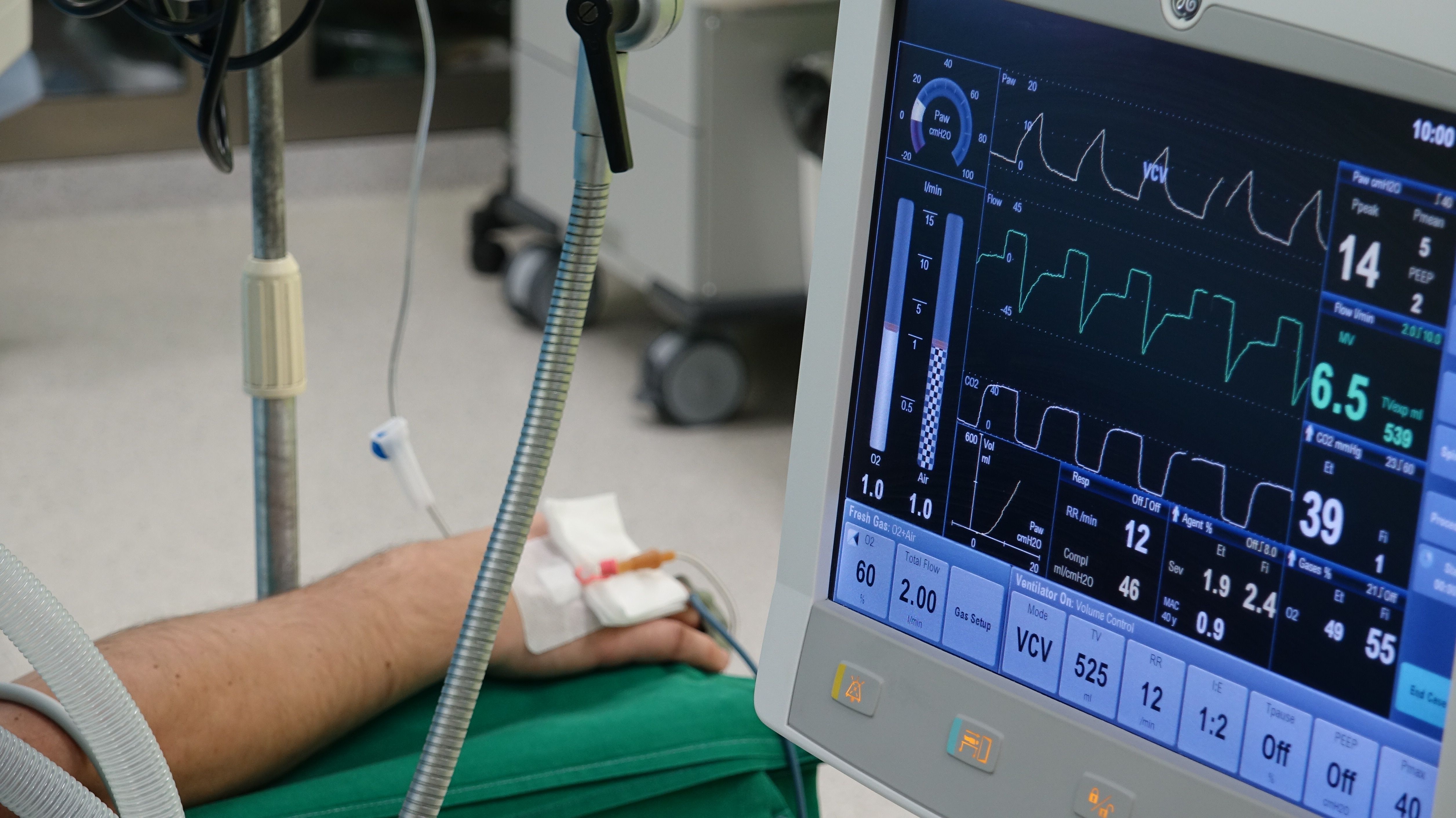
Alarm Fatigue and Patient Safety: What the Evidence Shows
When a hospital alarm sounds, it should signal that something is wrong. Research shows that most alarms don't — 72% to 99% of clinical alarms are false or non-actionable, meaning they call for no real response. That volume of noise is not a minor nuisance; it reshapes how clinicians respond to every alarm, including the ones that matter. This is alarm fatigue, and the evidence on what it does to patients is now consistent, well-documented, and difficult to dismiss.
- Between 72% and 99% of hospital alarms are false or do not need any action, according to decades of research.
- The FDA logged 566 patient deaths tied to monitoring alarms in a four-year span, with alarm fatigue named as a major cause.
- More than half of nurses in some studies say they silence or turn off alarms, which raises the risk of missing a real emergency.
- Alarm fatigue harms patients two ways: directly, through missed warning signs, and indirectly, through the toll it takes on exhausted staff.
- A 2025 review of 32 studies confirms the problem has not gone away, even after ten years of national attention.
How Often Are Hospital Alarms Wrong?
A widely cited 2013 review in AACN Advanced Critical Care found that false alarm rates range from 72% to 99% across studies. One hospital logged more than 59,000 alarms in just 12 days on a single unit; another recorded nearly 17,000 in 18 days. At that volume, staff inevitably lose confidence in the alarm system. Researchers describe this as the "crying wolf" effect: after enough false alarms, clinicians stop trusting the next one, even when it signals a genuine emergency.
What Happens to Patients When Alarms Go Unanswered
These consequences are not theoretical. Between 2005 and 2008, the FDA's device safety reporting system recorded 566 patient deaths linked to monitoring device alarms, with alarm fatigue identified as a major contributing factor. A 2025 scoping review of 32 studies confirms the pattern persists. It found alarm fatigue linked to missed signs of clinical deterioration, disrupted communication between patients and their families, impaired sleep from constant noise, and, in the most severe cases, serious harm or death.
The same review found that more than half of nurses in some studies report disabling or silencing alarms. This is not negligence — it is a predictable response to sensory overload. But it still means a genuine emergency can go unnoticed.
The Hidden Path: How Staff Burnout Puts Patients at Risk
Alarm fatigue does not harm patients through a single pathway. It also erodes the staff caring for them, which carries its own cost to patient safety. Research links alarm fatigue to burnout, chronic stress, impaired concentration, and disrupted sleep among nurses and physicians — and fatigued, overloaded staff make more errors. A 2023 follow-up study, published a decade after the original 2013 review, found that alarm fatigue still contributes to missed alarms, medical errors, elevated burnout, and slower patient recovery.
In short, a nurse worn down by hundreds of false alarms a day is not merely uncomfortable. She faces a measurably higher risk of missing the one alarm that matters — and that risk is not distributed evenly. ICU nurses face a substantially different alarm burden than those on general wards, which changes what an effective intervention looks like unit by unit.
For administrators: This evidence points to a systemic problem, not an individual failing. The strongest studies find that resolving alarm fatigue requires more than instructing nurses to pay closer attention — it requires changing the volume and quality of alarms themselves.
From National Alert to Today's Fixes
The scale of this problem prompted national organizations to act. In 2013, the Joint Commission issued a Sentinel Event Alert specifically on medical device alarm safety, naming alarm fatigue a leading cause of patient deaths. The following year, alarm management became an official National Patient Safety Goal. Hospitals were first required to treat alarm safety as an organizational priority, and by 2016, to establish clear alarm management policies and train staff accordingly.
More than a decade later, alarm fatigue has not disappeared, but the research has grown more precise. The 2025 scoping review found that the most effective interventions combine several approaches simultaneously: staff training, technical upgrades such as AI-based alarm filtering, clearer clinical protocols, and stronger interdepartmental coordination. No single fix works in isolation. The evidence increasingly treats alarm fatigue as a system-wide issue spanning devices, workflows, and human factors — not merely a training gap among nurses.

Route the Right Alert to the Right Clinician
HosTalky's secure messaging routes critical alerts directly to the responsible clinician — reducing alarm noise without compromising safety.
See How AI Reduces Alarm FatigueWhat this means going forward: Reducing alarm fatigue is not solely a nursing responsibility. It requires device manufacturers, hospital leadership, and clinical teams addressing the same problem from complementary angles.
The Bottom Line
The evidence is consistent across more than a decade of research: alarm fatigue is not a minor operational annoyance. It is linked to measurable, documented patient harm, ranging from missed clinical warning signs to preventable deaths. The evidence also points to genuine solutions, built on reducing false alarms, supporting overburdened staff, and treating alarm safety as a shared institutional responsibility rather than a bedside-nursing task. For the practical side of that response — the interventions with demonstrated effectiveness and the specific steps charge nurses can implement on their units — the evidence is equally clear.
FAQs
How many hospital alarms are false?
Can alarm fatigue actually cause patient deaths?
Does alarm fatigue only harm patients directly, or also indirectly?
What is the "crying wolf" effect in alarm fatigue?
What are national health organizations doing about alarm fatigue?
Sources and References
- Michels, E.A.M., Gilbert, S., Koval, I., & Wekenborg, M.K. (2025). Alarm fatigue in healthcare: a scoping review of definitions, influencing factors, and mitigation strategies. BMC Nursing, 24, 664.
- Woo, M., & Bacon, O. (2020). Alarm Fatigue. In Making Healthcare Safer III. Agency for Healthcare Research and Quality (US).
- Albanowski, K., Burdick, K.J., Bonafide, C.P., Kleinpell, R., & Schlesinger, J.J. (2023). Ten Years Later, Alarm Fatigue Is Still a Safety Concern. AACN Advanced Critical Care, 34(3), 189-197.
- Sendelbach, S., & Funk, M. (2013). Alarm fatigue: a patient safety concern. AACN Advanced Critical Care, 24(4), 378-386.