

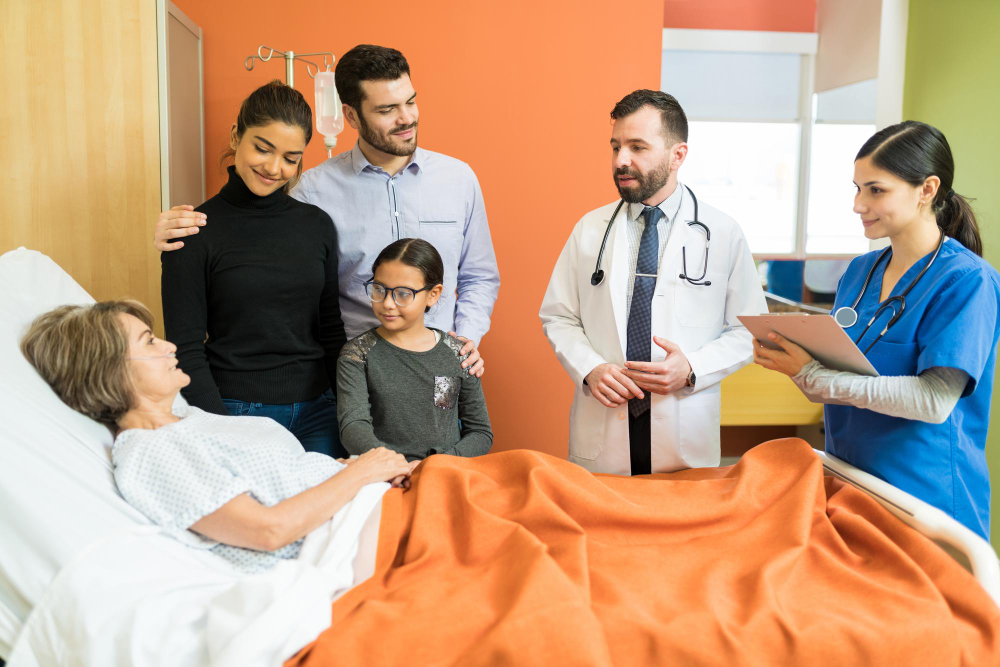
10 Real-World Interprofessional Collaboration Examples
Interprofessional collaboration in healthcare brings together doctors, nurses, pharmacists, therapists, and social workers to provide coordinated, high-quality patient care. Real-world examples of teamwork in healthcare show how interprofessional collaboration reduces errors, improves patient outcomes, and makes healthcare systems run more efficiently.
Healthcare is no longer the work of a single professional. Patients today present with complex needs, chronic illnesses, mental health concerns, and lifestyle factors that require more than one perspective. This is where interprofessional collaboration healthcare teams rely on (IPC) comes in, a model of team-based care that is transforming how clinical teams work together.
In this article, we explore 10 of the best real-world examples of interprofessional collaboration in healthcare, from nurse-physician partnerships to geriatric care teams, so you can better understand how approaches to improve collaboration across healthcare providers work in practice. These examples of teamwork in healthcare demonstrate what genuine collaboration in health care looks like at the bedside.

What Is Interprofessional Collaboration in Healthcare?
Interprofessional collaboration in healthcare refers to different healthcare professionals, doctors, nurses, pharmacists, and others, working together to provide coordinated, high-quality patient care. It involves effective verbal communication, mutual understanding of each profession's roles, and a shared commitment to patient well-being.
Unlike multidisciplinary care, where providers work separately but in parallel, interprofessional collaboration emphasizes communication, shared decision-making, and joint accountability for patient outcomes.
Recent innovations such as telehealth platforms, electronic health records (EHRs), and AI-driven decision support systems have further expanded opportunities for collaboration across locations and specialties.
Interprofessional Collaboration (IPC) is when healthcare professionals from different disciplines, doctors, nurses, pharmacists, therapists, social workers, work together through shared communication, decision-making, and accountability to deliver better patient care than any single profession could alone.
Fewer Medical Errors
Multiple professionals reviewing care plans catch mistakes before they reach patients
Better Patient Outcomes
Coordinated care improves recovery rates, reduces hospital stays, and increases patient satisfaction
Greater Efficiency
Shared information and aligned goals reduce duplication of effort and administrative burden
What Is Another Word for Interprofessional Collaboration?
Another word for interprofessional collaboration is team-based care. Other alternatives include:
- Multidisciplinary collaboration (though slightly different, it emphasizes multiple disciplines working together)
- Collaborative care
- Integrated healthcare teamwork
- Interdisciplinary teamwork
10 Interprofessional Collaboration in Healthcare Examples
1. Nurse–Physician Partnerships
Nurses often spend the most time at the patient's bedside, while physicians oversee diagnosis and treatment planning. This is one of the most common teamwork nursing examples, when nurse-physician collaboration is effective, patient care becomes more responsive and safer.
How it works: Nurses identify subtle changes in a patient's condition and communicate them directly to physicians. Doctors then adjust care plans in real time. Platforms built around a verified professional identity, like &CareID, are designed to make this kind of real-time, cross-role communication faster to initiate.
Example: In ICU settings, nurse-physician daily rounds ensure that both clinical expertise and frontline observations shape treatment.
A 2024 study in SAGE Open Nursing found that enhanced nurse-physician collaboration led to improved patient outcomes and reduced medical errors in hospital settings.
2. Managing Chronic Conditions
Imagine a patient diagnosed with diabetes. A team of a doctor, nurses, a registered dietitian, and a social worker springs into action. The doctor prescribes the necessary medication, while the nurses provide education on injection techniques and blood sugar monitoring.
The dietitian tailors a meal plan to manage blood sugar levels, and the social worker assesses for any social or emotional challenges that might affect the patient's ability to manage their condition. Healthcare teams often use popular healthcare apps to collaborate more effectively across disciplines.
3. Stroke Care Team
At a leading stroke center, an interprofessional team comprising neurologists, emergency medicine physicians, nurses, physical therapists, occupational therapists, and speech-language pathologists collaborate to provide exceptional stroke care.
The team meets regularly to discuss patient cases, share expertise, and coordinate the delivery of evidence-based treatments and rehabilitation services.
Impact: This collaborative approach leads to improved patient outcomes, reduced hospital stays, and a higher rate of functional independence for stroke survivors.
4. Pharmacist–Physician Collaboration
Pharmacists work directly with physicians to manage medications, minimize side effects, and prevent adverse drug interactions, especially in polypharmacy cases for elderly patients.
Example: In polypharmacy cases, pharmacists collaborate with doctors to deprescribe unnecessary medications and adjust dosages safely.
A 2023 BMJ Open study found that pharmacist-physician teams lowered adverse drug events by nearly 30% in outpatient clinics.
5. Post-Surgical Care
Following surgery, a patient's recovery is significantly smoother with a collaborative team. The surgeon ensures the success of the operation, nurses provide pain management and monitor vital signs, a physical therapist guides exercises to regain mobility, and an occupational therapist helps relearn daily tasks.
Impact: This collaboration ensures all aspects of recovery are addressed comprehensively.
Coordinating care across a team this size takes more than good intentions
Every example so far depends on the right person getting the right information at the right time. HosTalky's &CareID gives every professional on the team a verified identity and a secure way to connect, so handoffs and updates do not get lost between shifts or departments.
See how &CareID works6. Mental Health Care
Depression is a complex condition, and a collaborative approach is key to effective treatment. A team of psychiatrists who prescribe medication, psychologists or therapists who provide therapy sessions, and social workers who address social support systems work together to create a holistic treatment plan.
Example: Community-based mental health teams coordinate to support patients with severe depression, combining medication, counseling, and social support including housing and employment.
7. Telehealth Collaboration
Geographic limitations should not hinder access to specialized care. Telehealth technology bridges this gap by allowing doctors in remote areas to consult with specialists in urban centers in real time.
Example: A rural clinic treating a child with a rare cardiac condition connects with a pediatric cardiologist hundreds of miles away, who advises in real time. Summarizing a case history quickly for a specialist who has never seen the patient is exactly the kind of task Medigenie is designed to support.
You can also compare Telehealth vs Telemedicine and Telehealth vs Telemedicine vs Telecare.
8. Pain Management Team
Chronic pain requires a collaborative effort. Doctors, nurses, and pharmacists work together to develop a safe and effective pain management plan. The doctor considers the underlying cause and prescribes appropriate medication. Nurses monitor side effects. Pharmacists review medications for interactions and ensure patients understand how to take them safely.
The team may also explore alternative therapies like physical therapy or acupuncture, offering a more comprehensive approach to pain relief.
9. Palliative Care Team
For terminally ill patients and their families, a palliative care team provides comfort and support. Doctors manage pain symptoms, nurses offer emotional and physical care, social workers address practical concerns, and spiritual care providers offer guidance.
Impact: This collaborative approach ensures the patient's well-being is addressed from all angles, allowing them to face end of life with dignity and peace.
Also read: SBAR and Other Effective Communication Tools in Nursing10. Geriatric Care Teams
Elderly patients benefit from collaboration between physicians, nurses, dietitians, physical therapists, and caregivers, ensuring holistic support.
Example: In long-term care facilities, care conferences bring together doctors, nurses, therapists, and family members to align on treatment plans.
A 2023 study in BMC Geriatrics described the development of geriatric rehabilitation care teams towards interprofessional collaboration, leading to improved patient outcomes.
Best Practices and Approaches to Improve Collaboration Across Healthcare Providers
How to Build a Strong IPC Culture
Daily Huddles & Team Meetings
Short check-ins align team members and clarify responsibilities before each shift
Shared Goals & Accountability
Everyone must agree on patient-centered objectives and own their role in achieving them
Collaborative Technology
Secure messaging, shared dashboards, and AI-powered tools improve real-time coordination
Continuous Training
Simulation exercises, workshops, and joint educational programs build trust and teamwork
01How does interprofessional collaboration improve health and wellness?
02What is the main goal of interprofessional collaboration?
03How does IPC improve patient safety?
04What are the biggest challenges to IPC?
05What is the difference between interprofessional and multidisciplinary care?
Conclusion
Interprofessional collaboration is crucial for delivering the highest quality care to patients within the healthcare system. Whether called interprofessional care, team-based care, or collaborative care, the core principle is the same: different professionals working together produce better outcomes than any single discipline working alone. While implementing true interprofessional collaboration comes with its communication challenges, the benefits to patient outcomes, provider satisfaction, and overall system efficiency make it a critical priority.
As medical knowledge and treatment options continue to become more complex, interprofessional collaboration will become even more vital for ensuring high-quality, cost-effective care.
Stay informed on the latest healthcare trends, news, and AI advancements. Join us on LinkedIn and Instagram for more updates!