

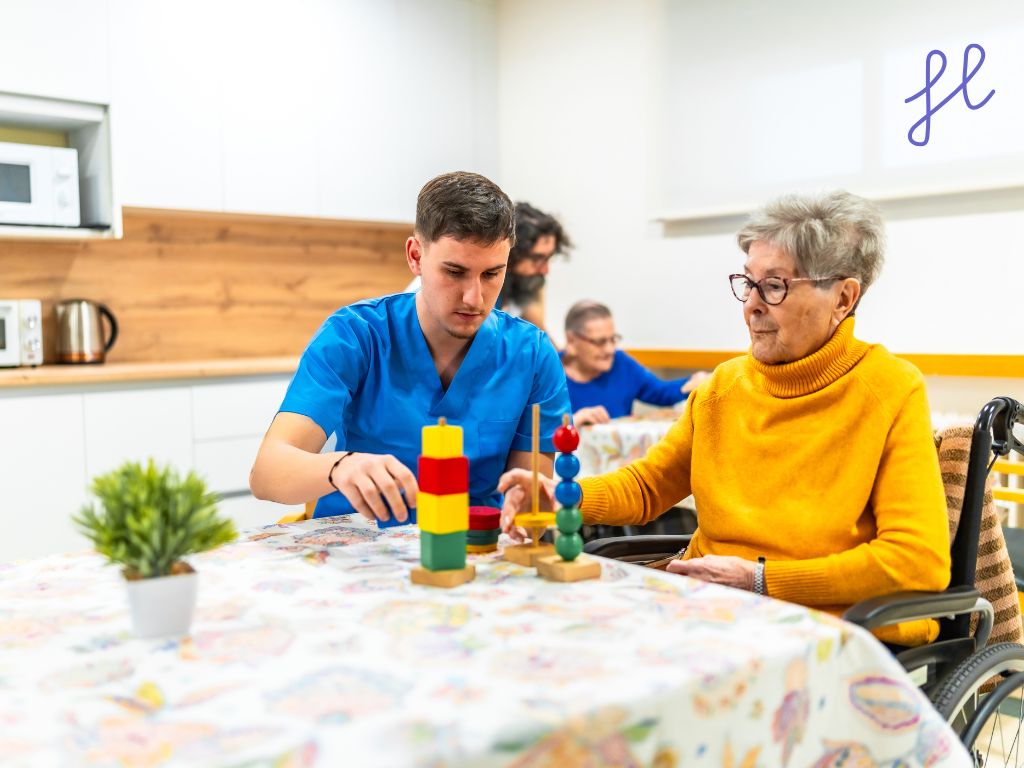
Best Christmas Gifts for Nursing Home Residents
Choosing a Christmas gift for a loved one in a nursing home is more than a seasonal gesture. It's a chance to support their emotional health, mental sharpness, and quality of life. Older adults in long-term care face real challenges: mobility limits, sensory changes, memory shifts, and social isolation. The right gift can offer comfort, preserve independence, or simply remind them they're valued.
This guide covers senior-safe, meaningful gift ideas organized by what they actually help with, not just what looks nice under a tree.
- Nearly 4 in 10 nursing home residents report feeling lonely, and some studies find the real number is much higher.
- The best gifts fall into 7 categories: comfort, cognitive stimulation, adaptive clothing, memory connection, wellness, leisure, and non-material gifts.
- Always check facility policy before bringing scented, food, or electronic items.
- Gifts that maintain real connection to family often matter more than any physical item.
Why Thoughtful Gift-Giving Matters Here
A 2025 analysis using Health and Retirement Study data found that 37.7% of nursing home residents reported feeling lonely. Other systematic reviews paint an even more concerning picture: one meta-analysis found roughly 61% moderately lonely and 35% severely lonely, and a national survey found more than 75% of skilled nursing home residents reported being "very lonely," compared to just 14.3% in assisted living.
The honest range: exact numbers vary by study and how loneliness is measured, but every credible source agrees this is a widespread, serious problem, not a minor one. Meaningful, personalized, or connection-oriented gifts can genuinely ease this.
Before choosing a gift, consider:
- Sensory needs (hearing, vision, touch)
- Mobility limitations
- Cognitive changes, including dementia
- Facility infection-control policies
- Emotional well-being and personal history
1. Comfort & Warmth
Age often brings changes in circulation and temperature regulation, making warmth and tactile comfort matter more.
- Weighted blankets (10-12 lbs): can ease anxiety and support deeper sleep; some studies show improved relaxation in dementia patients
- Ultra-soft robes or fleece throws: warmth during low-activity periods
- Non-slip warm socks: combines foot safety and comfort
- Heated lap pads (facility-approved): good for chronic joint discomfort or arthritis
2. Cognitive & Sensory Stimulation
Structured sensory stimulation can reduce agitation and improve mood, especially for residents with mild cognitive impairment or dementia.
- Dementia-friendly puzzles: large pieces, familiar themes
- Tactile therapy items: fidget blankets, sensory pillows
- Music players preloaded with favorite songs: music therapy has measurable cognitive and emotional benefits
- Aromatherapy diffusers (if facility-permitted)
- Large-print word searches or trivia books
3. Adaptive Clothing
Clothing is identity, not just practicality. Adaptive clothing respects both dignity and independence.
- Adaptive open-back shirts or pants for those needing dressing assistance
- Personalized sweaters or blankets with embroidered names
- Non-slip footwear for fall prevention
- Stretch, breathable fabrics for frail skin
4. Memory & Emotional Connection
Emotional connection is one of the strongest predictors of well-being among nursing home residents.
- Digital photo frames preloaded with family photos and short videos
- Custom memory books documenting life stories or special moments
- Simple video-call devices for residents with limited tech comfort
- Letter bundles or printed family messages for easy bedside access
5. Wellness & Self-Care
Small upgrades in personal care can meaningfully affect dignity and comfort.
- Hypoallergenic skincare sets for aging skin
- Electric razors: safer for those on blood thinners
- Lip balms, moisturizers, hand creams for dry facility environments
- Gentle massage tools approved for arthritis or muscle tension
6. Social & Hobby Gifts
Isolation can worsen cognitive decline, depression, and inactivity. Leisure gifts create real engagement and purpose.
- Large-print books or audiobooks
- Adult coloring books with ergonomic tools
- Stationery and greeting card sets for staying in touch
- Portable radios or music speakers
- Board games designed for seniors: simple rules, large pieces
7. Non-Material Gifts
The most meaningful gifts often aren't purchased at all.
- Quality time: visits, shared meals, story sessions
- Accompanied outdoor walks if permitted
- Handwritten letters
- Recorded voice messages from loved ones
- Joining facility events: Christmas programs, crafts, music nights
Before You Bring a Gift, Check With Staff
| Check This | Why It Matters |
|---|---|
| Infection-control policy | Some items (fabric, plants, flowers) may not be allowed |
| Dietary or medical restrictions | Food gifts can conflict with medication or health conditions |
| Scented product policy | Aromatherapy items are sometimes restricted facility-wide |
| Cognitive status | Complexity of puzzles, books, or games should match ability |
The Bottom Line
Choosing a gift for a nursing home resident means thinking about the real intersection of aging, emotional needs, and physical limits. Thoughtful gifts can ease loneliness, support memory, strengthen family connection, and improve daily dignity. From memory-preserving items to simple wellness upgrades, the best gift is the one that says: you are remembered, and you matter.

Behind Every Gift Is a Care Team
HosTalky supports the healthcare professionals who care for your loved ones every day, so families can focus on what matters most: being present.
Learn More About HosTalkyFAQs
How common is loneliness among nursing home residents?
A 2025 analysis using Health and Retirement Study data found 37.7% of nursing home residents reported feeling lonely. Some systematic reviews find even higher rates, up to 61% moderately lonely and 35% severely lonely, depending on how loneliness is measured and the population studied.
What should I check before bringing a gift to a nursing home resident?
Check with facility staff about infection-control policies, any dietary or medical restrictions (especially for scented items or food gifts), and the resident's specific sensory needs (hearing, vision, touch) and cognitive status. Many facilities have specific rules about what can be brought in, so a quick call ahead saves a wasted trip.
What's the single most impactful type of gift for a nursing home resident?
Gifts that maintain a real connection with family, like digital photo frames preloaded with photos, custom memory books, or recorded voice messages, tend to have the strongest emotional impact. Human connection is one of the strongest predictors of resilience and emotional stability in older adults, often more so than any physical item.
Sources and References
- Smith, L. & Theeke, L. (2025). Chronic Conditions and Loneliness Among Nursing Home Residents: An Analysis of the Health & Retirement Study Wave 15. Innovation in Aging.
- Gardiner, C., Laud, P., Heaton, T., et al. What Is the Prevalence of Loneliness Amongst Older People Living in Residential and Nursing Care Homes? A Systematic Review and Meta-Analysis.