

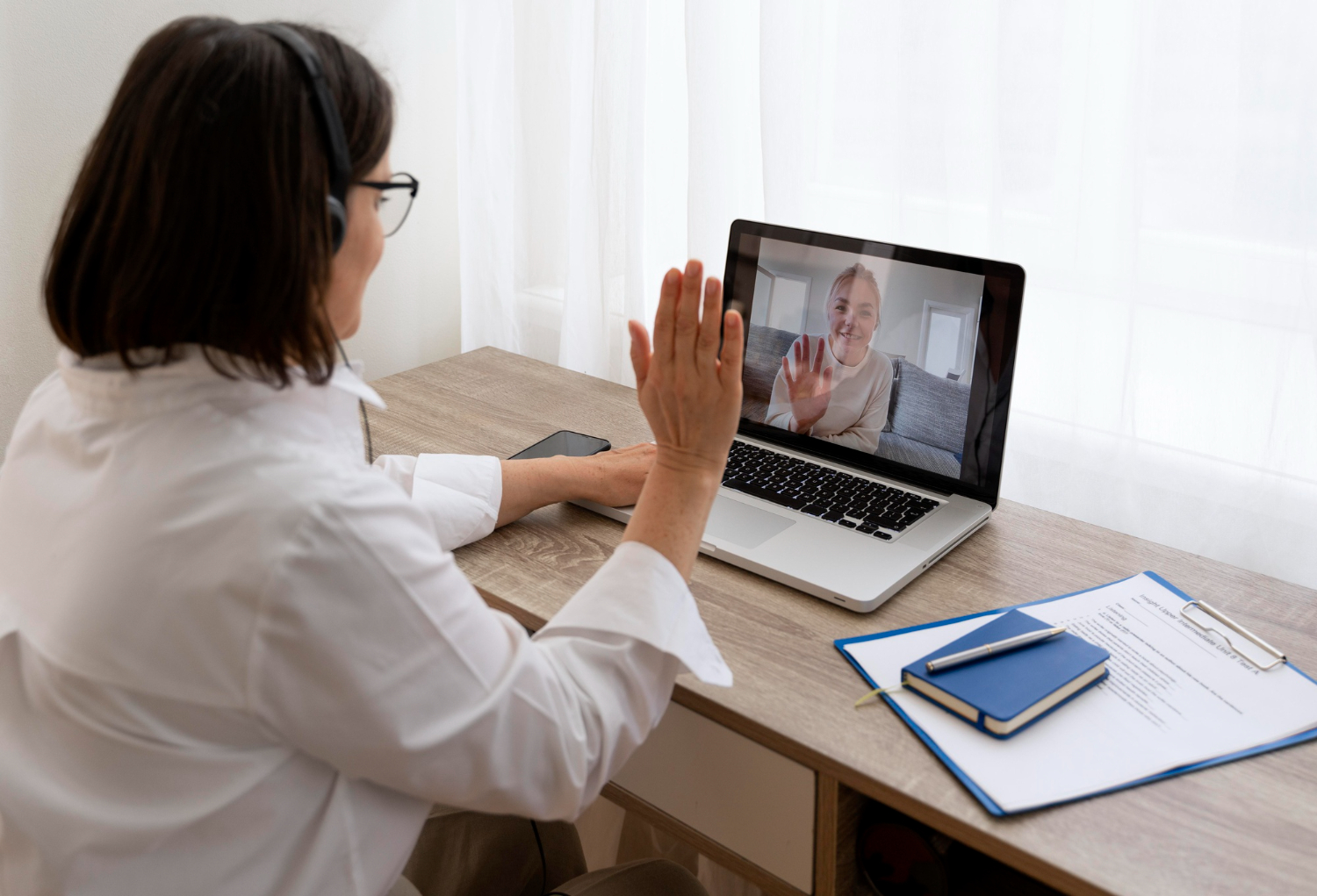
Top Remote Healthcare Careers
Telehealth physicians earn $150,000 to $250,000 remotely, remote psychiatrists up to $300,000, and healthcare overall is adding jobs faster than almost any other sector. The Bureau of Labor Statistics projects about 1.9 million healthcare job openings each year, and a growing share of them — from telehealth providers to healthcare data analysts — can now be done entirely from home. This guide covers the top remote healthcare careers, their salary ranges, the skills you need, and how to find and land a legitimate remote healthcare job.
- Telehealth physicians, remote psychiatrists, and nurse practitioners are among the highest-paying remote healthcare roles, with salaries ranging from $60,000 to $300,000 depending on specialty and licensure.
- Medical coding and billing, case management nursing, and healthcare data analysis are established remote career paths, some with lower barriers to entry than clinical roles.
- Emerging roles — health coaching, clinical research coordination, and AI specialization in healthcare — are growing as remote monitoring and virtual trials expand.
- Most remote healthcare jobs require a relevant degree, state licensure for clinical roles, and role-specific certifications. Strong digital literacy and HIPAA-compliant home setups are non-negotiable.
- The Bureau of Labor Statistics projects about 1.9 million healthcare job openings annually, with healthcare and social assistance the fastest-growing sector in the U.S. economy through 2034.
- Legitimate remote healthcare employers never ask candidates to pay upfront for training or equipment — this remains one of the most reliable red flags for job scams in the field.
Top Remote Healthcare Careers
Telehealth providers deliver care through virtual platforms, conducting consultations, making diagnoses, and developing treatment plans. This category includes:
- Telehealth Physicians: Particularly in demand in family medicine, psychiatry, and urgent care
- Telehealth Nurses: Providing virtual triage, patient education, and chronic disease management
- Nurse Practitioners: Offering primary and specialty care independently or in collaboration with physicians
Mental health services have seen perhaps the most successful transition to virtual delivery:
- Psychiatrists: Providing diagnosis, therapy, and medication management
- Therapists/Counselors: Conducting therapy sessions via secure video platforms
- Behavioral Health Coaches: Supporting clients with behavioral change strategies
These professionals translate healthcare services into standardized codes for insurance reimbursement and billing purposes. Remote work in this field was common even before the pandemic, making it one of the more established remote healthcare careers.
Remote case managers coordinate care for patients with complex or chronic conditions, ensuring they receive appropriate services and follow their treatment plans. They work closely with insurance companies, healthcare providers, and patients to optimize care delivery.
These professionals analyze healthcare data to improve patient outcomes, operational efficiency, and cost-effectiveness. Their work is critical for healthcare organizations looking to enhance quality of care while managing resources effectively.
Note on employers: Some telehealth companies in the mental health space have faced regulatory scrutiny over prescribing and data practices in recent years. Research any employer's current standing before applying, the same way you'd vet any healthcare organization.
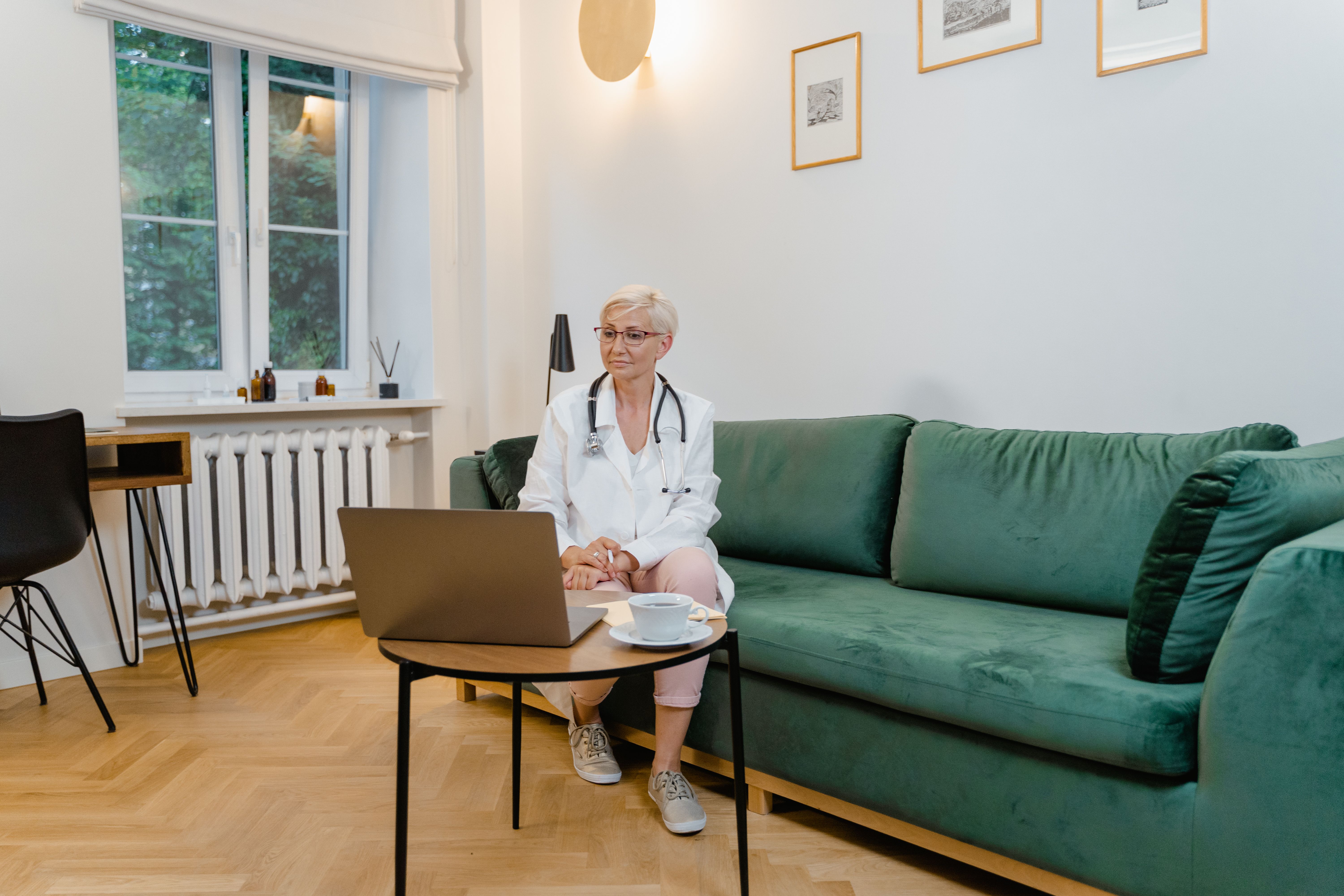
Emerging Remote Healthcare Roles
Several newer roles are gaining popularity in the remote healthcare landscape:
Health coaches work with patients to develop personalized wellness plans, focusing on lifestyle changes such as diet, exercise, and stress management. They provide ongoing support and motivation, complementing traditional medical care.
With many clinical trials now involving remote monitoring and data collection, clinical research coordinators can work from home to oversee recruitment, patient monitoring, and data management aspects of research studies.
These specialists develop algorithms for diagnosis, treatment planning, and healthcare analytics, playing a crucial role in the technological advancement of healthcare delivery.
Skills and Requirements for Remote Healthcare Jobs
Educational Requirements
Most remote healthcare positions require at least the following:
- Relevant degree in healthcare or medical field (varies by position)
- State licensure (especially important for clinical roles)
- Certifications specific to the role
For telehealth positions, additional certifications like Ambulatory Care Nursing Certification (AMB-BC) or a Telehealth Facilitator Certificate can give candidates an edge.
Technical Requirements
Remote healthcare professionals need:
- Strong digital literacy
- Experience with telehealth platforms and electronic health records
- Reliable high-speed internet connection
- HIPAA-compliant home office setup
- Proficiency with secure communication tools
Soft Skills
Success in remote healthcare also depends on:
- Exceptional communication abilities
- Strong time management and organization
- Independent decision-making capabilities
- Empathy and patient rapport-building in virtual settings
- Adaptability to new technologies
Communication is consistently the skill remote healthcare workers say matters most day to day — for a deeper look at how it plays out in virtual and in-person settings alike, see our guide to healthcare communication skills for future professionals.
Remote Doesn't Have to Mean Disconnected
HosTalky is the HIPAA-compliant communication platform built for healthcare teams — secure messaging, shift coordination, and real-time clinical updates, whether your team is in one building or spread across time zones.
See How HosTalky WorksBenefits of Remote Healthcare Work
Remote healthcare positions offer numerous advantages:
Some industry surveys report healthcare professionals with remote options have 15-20% higher job satisfaction compared to those in traditional settings.
Finding Legitimate Remote Healthcare Opportunities
To find quality remote healthcare positions:
- Use specialized job boards like FlexJobs, We Work Remotely, or NurseRemotely.com
- Check career pages of major healthcare companies with established remote programs
- Join professional associations and networking groups in your specialty
- Set up job alerts with specific keywords like "remote RN" or "telehealth physician"
Watch for red flags: Requests for upfront payments for training or equipment, unusually high salaries for entry-level positions, use of generic email addresses for company communication, and a lack of professional web presence. Legitimate employers never ask candidates to pay for the opportunity to work.
If you're exploring career direction more broadly, see our guide to the best but less stressful jobs in healthcare for roles that pair well with a remote or hybrid setup.
Preparing for a Remote Healthcare Career
If you're looking to transition to remote healthcare work:
- Update your resume to highlight relevant remote-friendly skills and technology proficiency
- Obtain relevant certifications in your field that demonstrate remote competency
- Create a proper home office setup that meets HIPAA compliance requirements
- Practice virtual communication skills through online courses or workshops
- Develop a digital portfolio showcasing your telehealth experience and technical abilities
The Future of Remote Healthcare
The remote healthcare industry is projected to continue its growth trajectory, with the Bureau of Labor Statistics projecting healthcare and social assistance as the fastest-growing sector in the U.S. economy through 2034. As technology advances and healthcare delivery models evolve, expect even more specialized remote roles to emerge — including expanded collaboration between distributed clinical teams. See our roundup of interprofessional collaboration examples in healthcare for how these teams coordinate across distance today.
The pandemic accelerated the adoption of remote healthcare, but its convenience, efficiency, and effectiveness ensure it will remain an integral part of the healthcare system moving forward. For healthcare professionals seeking flexibility without sacrificing impact, remote work offers the best of both worlds: the ability to make a difference in patients' lives while enjoying improved work-life balance.
Conclusion
Whether you're a clinician looking to transition away from bedside care or a healthcare support professional seeking more flexibility, the expanding world of remote healthcare offers promising career pathways. With about 1.9 million healthcare job openings projected annually and remote options expanding across nearly every specialty, the opportunity is less about whether remote healthcare work exists and more about which path — telehealth, mental health, data, or coding — fits your background and goals.
FAQs
What is the highest-paying remote healthcare job?
What qualifications do I need for a remote healthcare job?
How many healthcare job openings are there each year?
What are red flags when searching for remote healthcare jobs?
Which remote healthcare roles don't require a clinical degree?
Sources and References
- U.S. Bureau of Labor Statistics. (2026). Healthcare Occupations, Occupational Outlook Handbook. bls.gov
- American Nurses Credentialing Center. (2026). Ambulatory Care Nursing Certification (AMB-BC). nursingworld.org
- HireBasis. (2026). Remote Nursing Jobs. hirebasis.com