


5 Fun Team-Building Exercises for Healthcare Professionals
Healthcare employees who strongly agree they have a best friend at work are seven times more likely to be fully engaged in their job, according to Gallup's long-running employee engagement research — compared to roughly a 1-in-12 chance of engagement for those who don't. In a field where undivided attention can be a matter of life or death, that gap in engagement isn't a minor HR statistic, and it's one lever hospitals can actually pull to help offset healthcare work overload. Here are 5 low-prep team-building exercises built for healthcare teams, plus what the research says about why they work.
- Gallup research finds employees with a best friend at work are seven times more likely to be fully engaged, compared to about a 1-in-12 chance among those without one.
- Healthcare work carries unique stakes: understaffing and high-pressure situations make strong team bonds a patient safety factor, not just a morale boost.
- Five low-prep exercises work well for healthcare teams: the Strengths and Weaknesses Game, Tallest Tower Contest, Two Truths and a Lie, Find 10 Things in Common, and the Office Trivia Game.
- Most of these exercises take 15-20 minutes and require little to no special equipment, making them realistic to run during a shift changeover or team meeting.
- Several also work for remote or hybrid teams over video call, with no physical materials needed.
Before you dive in: if you're looking to support your team day-to-day beyond these exercises, it's also worth checking out popular free apps for busy healthcare workers — several are built specifically to ease the load these exercises are meant to offset.
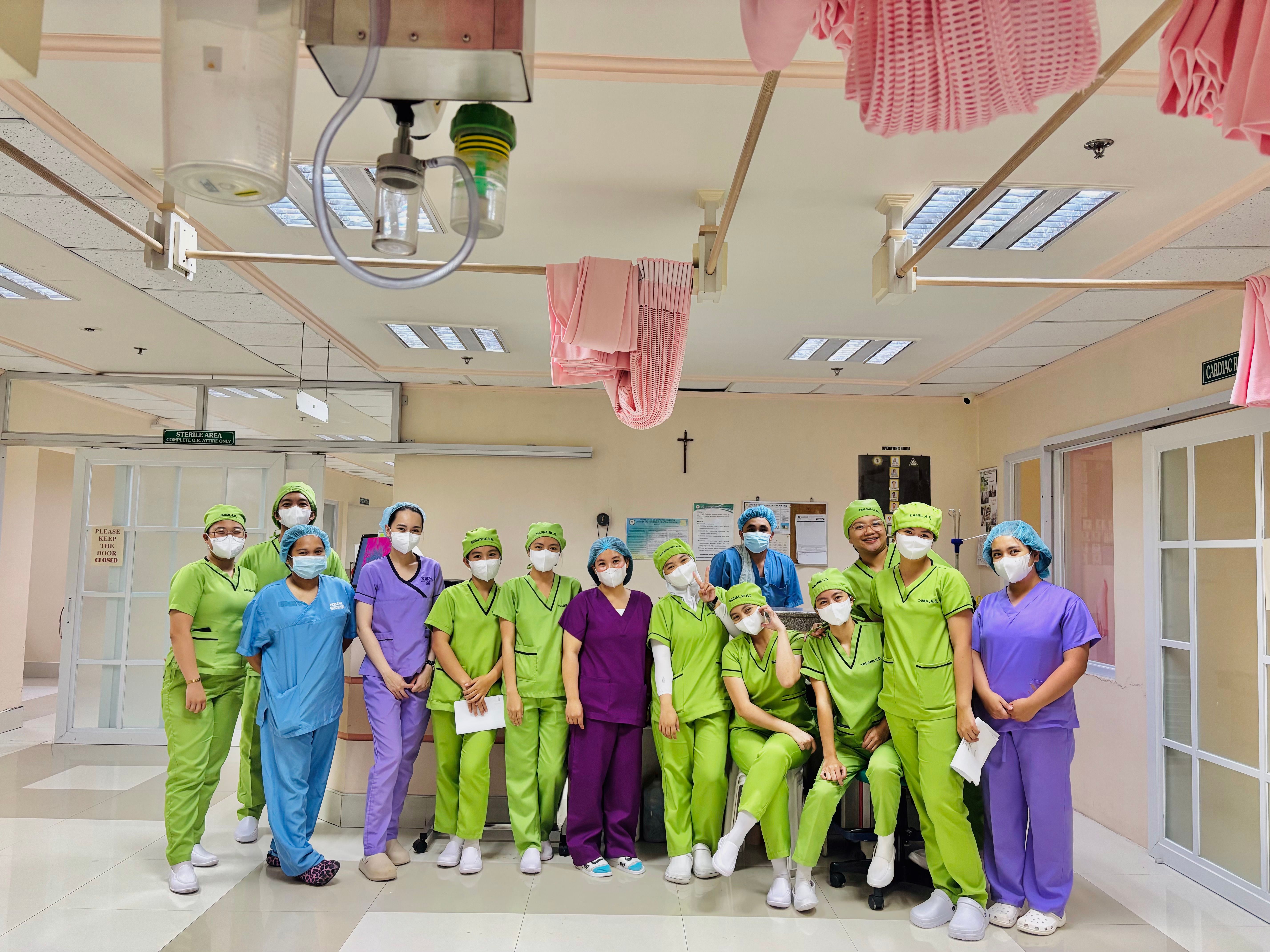
5 Team-Building Exercises for Healthcare Professionals
Best suited to a more serious tone. Give each team member a notebook and have them write two strengths and one flaw about themselves on separate pages.
Ask the group to offer constructive feedback when discussing each other's flaws, with personal attacks off-limits. Collect the papers and hand them back to the right person. Done well, this exercise can surface team-wide behaviors and blind spots that don't usually come up in a normal shift.
A hands-on exercise that puts communication, cooperation, and teamwork on full display. Split the group into teams of at least three, and give each team a bag of mismatched building materials — paper plates, cups, popsicle sticks, construction paper, pencils, and masking tape, unevenly distributed so no two teams have the same supplies.
For example, one team's bag might have 10 paper plates, 5 pencils, 8 pieces of construction paper, and 3 popsicle sticks, while another gets 35 paper cups, 2 pencils, 7 pieces of construction paper, and 8 popsicle sticks. Give each team 20 minutes to build the tallest freestanding tower they can. Simple to run, and it reliably shows who steps into a coordinating role under a mini deadline. For more low-effort ideas along these lines, see fun activities for hospital employees.
A reliable icebreaker for new teams or new hires. Have everyone sit in a circle, write down two true statements and one false one, then read them aloud (or have each person read their own) so the group can guess which statement is the lie.
It's low-stakes, genuinely fun, and does real work toward closing the kind of communication gaps that build up when colleagues don't actually know each other — the same gaps behind much of the measurable impact of ineffective communication in healthcare.
Works especially well for larger units. Split staff into groups of three or four, and have each group find and list ten things every person at the table shares in common. Assign a notetaker, and have each group share their list at the end.
A strong fit for remote or hybrid teams. Put together 20-25 questions specific to your unit or specialty, and run it in a conference room or over Zoom. It's a fun way to gauge how engaged and attentive your team actually is, with essentially zero setup required. For more on what strong teamwork looks like day to day, see effective collaboration among healthcare teams: tips for doctors.
Why the research backs this up: Gallup's research isn't just about happiness — it's tied to measurable business outcomes. Engaged organizations consistently outperform their competitors on earnings, productivity, and staff turnover, and workplace friendships are one of the clearest predictors of that engagement.

Strong Teams Need More Than a Good Icebreaker
HosTalky gives healthcare teams a secure, HIPAA-compliant way to stay connected between shifts — because the trust these exercises build only holds up if your everyday communication tools support it.
See How HosTalky WorksConclusion
Fun team-building exercises aren't a nice-to-have in healthcare — they're a practical lever for the kind of engagement that Gallup's research consistently ties to better performance and lower turnover. None of the five exercises here require a big budget or a lot of prep time. What they require is actually making time for them, which is often the harder part in a unit that's already stretched thin. Left unaddressed, that same gap is often behind negative feelings at work that quietly erode team morale over time.
For more on what strong team communication actually looks like day to day, see our guide to communication barriers in the healthcare workplace, or how intraprofessional and interprofessional collaboration shape teamwork across departments. If you're building these skills as part of a broader development plan, our guide to healthcare communication skills for future professionals is a good next read, and if your team is distributed across shifts or locations, hybrid healthcare communication is worth a look too.
FAQs
Why does team-building matter in healthcare specifically?
What are good team-building exercises for busy healthcare staff?
Can team-building exercises work for remote or hybrid healthcare teams?
How does having a best friend at work affect employee engagement?
Sources and References
- Gallup. Rath, T., & Harter, J. Your Friends and Your Social Well-Being. news.gallup.com
- Huddle. Team Building Activities. huddle.com