

Hospital in the Home' Launches in Southern NSW
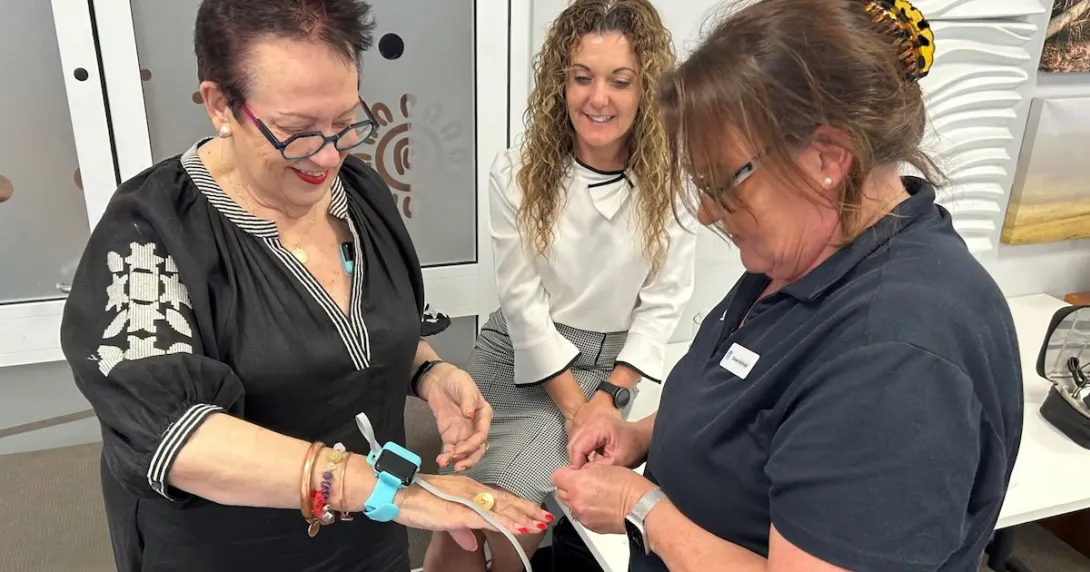
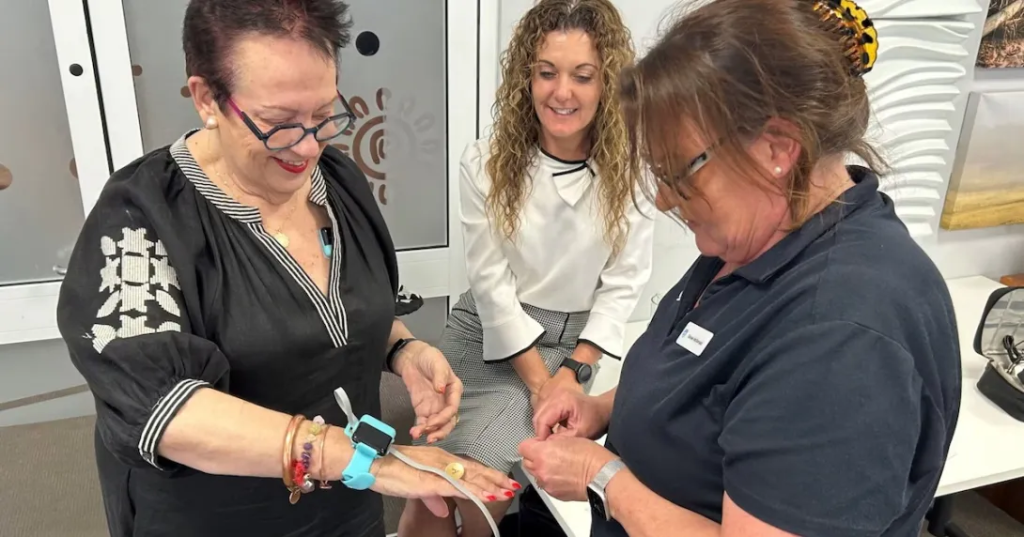
Australian healthcare is changing. Care is moving from the hospital ward to the living room. This month, the Southern NSW Local Health District (SNSWLHD) launched its "Hospital in the Home" (HITH) program. It uses wearable monitoring technology from Philips Australia and Singapore-based Respiree. The goal: hospital-level care at home, with less pressure on emergency departments.
- SNSWLHD is the first rural health district in NSW to launch this kind of Hospital in the Home service.
- Patients wear a device that tracks their vital signs in real time, not just periodic spot-checks.
- The Respiree system cuts false alarms by 10x compared to standard monitoring, according to Philips ANZ.
- 3 in 4 Australian healthcare workers lose patient time to bad or missing data, per the Philips Future Health Index 2025. This program is built to fix that.
- The service already covers 34 virtual "beds" and is expanding to more regions soon.
Who This Program Helps
The program covers 4 regions, with more on the way:
Snowy Monaro and Yass Valley will join soon.
Patients with these conditions can now be treated safely at home instead of in a hospital bed:
- Pneumonia
- Cellulitis (a skin infection)
- Deep vein thrombosis (DVT)
- Urinary tract infections (UTIs)
How the Monitoring Works
Older remote care programs checked patients every so often, not all the time. This new system is different. It tracks patients continuously, in real time.
Each patient wears a small device on their chest. It tracks:
- Breathing rate
- Oxygen levels
- Heart rate
- Blood pressure
The device sends this data straight to a clinical command centre, where a care team watches for warning signs.
"This model ensures patients in our district receive equitable, timely, and high-quality care across southern NSW."
Fewer False Alarms, Faster Real Ones
Remote monitoring has one big problem: alarm fatigue. Too many false alerts wear clinicians down, and they can start to miss the alerts that actually matter.
Helen Callum, Clinical Consultant at Philips ANZ, says the Respiree solution is built for precision: "Respiree is a clinically validated solution with high levels of precision on alerts and alarms, reducing the likelihood of false alarms 10-fold." Built-in clinical decision tools also help staff manage real alerts when they do come in.
This same problem, too many low-value alerts drowning out the ones that matter, shows up across healthcare communication generally, not just remote monitoring. We've covered this in more depth in Notification Fatigue: How Constant Alerts Are Burning Out Healthcare Staff.
What the System Actually Does
- Tracks continuously. Real-time vital signs, not occasional manual checks.
- AI-driven triage. Algorithms flag risk levels based on the data coming in.
- Sends smart alerts. Escalations go to both the care team and the patient, based on their specific needs.
- Covers more than monitoring. The program also includes home oxygen support and transport to hospital appointments when needed.
Why Recovering at Home Actually Helps
Summa Stephens, Director of Nursing and Midwifery at SNSWLHD, says patients "recover better when they're in a familiar environment." Being home, near family, lowers the stress that often comes with a long hospital stay.
This program solves 3 problems at once:
- Frees up beds. Treating non-emergency cases at home keeps hospital beds open for trauma and surgery.
- Catches problems early. Continuous data lets clinicians step in at the right time, before a small issue becomes a readmission.
- Cuts admin work. Per the Philips Future Health Index 2025, 3 in 4 Australian healthcare workers lose patient-facing time to incomplete or hard-to-access data. A single dashboard reduces that burden.
Part of a Bigger NSW Plan
This isn't a one-off program. It's one piece of the 5-year NSW Virtual Care Strategy. Since 2021, NSW Health has been building out virtual care options to ease pressure on ambulances and emergency departments.
Other programs in this same strategy include the Virtual Rural Generalist Service and an expanded urgent virtual health service for children. SNSWLHD's rollout adds to this, showing how rural areas can use technology to close distance and staffing gaps.
For more on how remote monitoring tools like wearables are reshaping patient care beyond this specific program, see our guide on wearable devices in healthcare.
Let AI Scribe Handle the Notes
HosTalky's AI Scribe turns clinical conversations into structured notes in seconds, HIPAA-compliant and ready to use.
Try AI Scribe for FreeWhat's Next
The program currently covers Bega Valley and Goulburn, with the Snowy Monaro and Yass Valley regions coming soon. As AI-driven monitoring keeps improving, the line between "hospital care" and "home care" will keep getting blurrier, in a good way.
Other regional health districts across Australia are already watching this rollout closely. If it keeps working, expect more programs like it.
FAQs
What is Hospital in the Home?
What conditions can be treated through Hospital in the Home?
How does the Respiree device reduce false alarms?
Which regions does the Southern NSW Hospital in the Home program cover?