

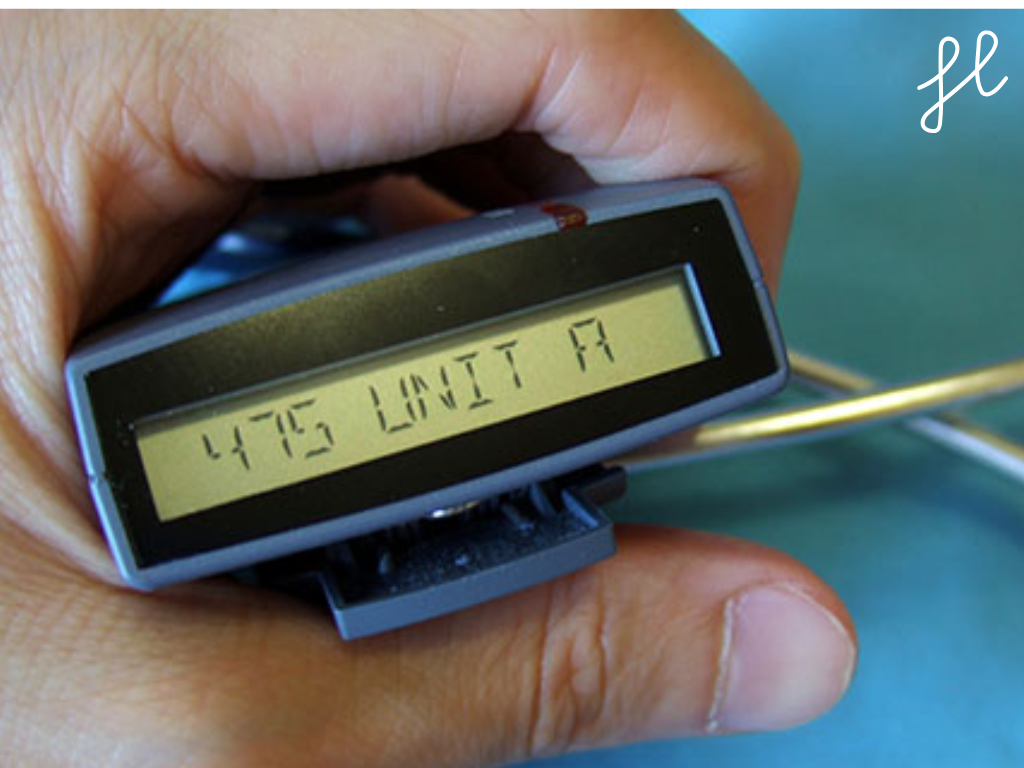
Pros and Cons of Hospital Pagers
Hospital pagers maintain 99.9% uptime during emergencies and penetrate building dead zones that smartphones can't reach, but they generate up to 45 minutes of wasted communication time per shift and contribute to 60-80% of sentinel events through one-way messaging gaps. This guide breaks down both sides so you can understand when pagers protect patient safety and when they undermine it.
Key Takeaways
- Pagers maintain 99.9% uptime during emergencies and network failures, making them the most reliable communication option in infrastructure-challenged environments.
- Healthcare workers spend an average of 45 minutes per shift on pager-related communication logistics, directly reducing the time available for patient care.
- The inability to confirm receipt or provide context through one-way messaging contributes to 60-80% of sentinel events linked to communication failures.
- Pagers last 2-4 weeks on a single charge compared to smartphones that need daily charging, eliminating the mid-shift power anxiety that leads to missed messages.
- 78% of residents and new nurses rank paging systems among their top three workflow frustrations, making continued reliance on pagers a growing workforce retention risk.
You're six hours into a night shift when your pager vibrates for the twenty-third time. No context. No priority indicator. Just a callback number and the familiar weight of decision: Is this the emergency that can't wait, or the routine lab result that could?
Hospital pagers, those persistent relics of 1950s technology, remain the primary communication tool in approximately 80% of U.S. hospitals. The question every healthcare professional eventually asks: Are these devices protecting patient safety through reliability, or undermining it through inefficiency?
The debate isn't academic. The communication tools you use directly impact response times, error rates, cognitive load, and ultimately, your capacity to provide excellent care without burning out.
The Undeniable Advantages of Hospital Pagers
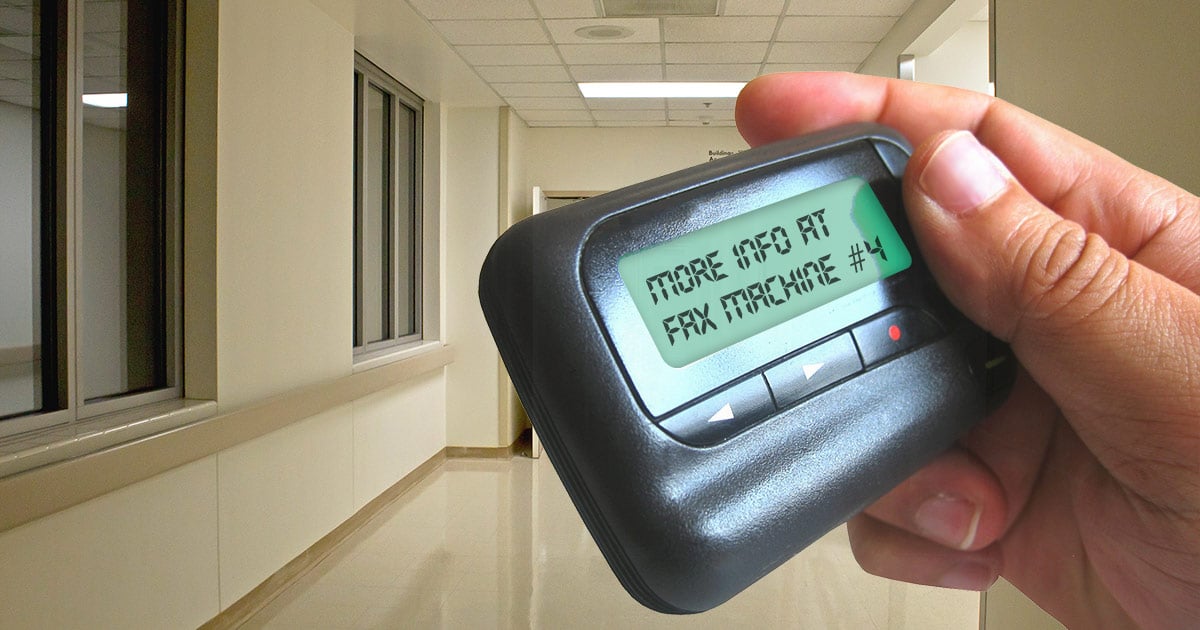
Unmatched Reliability in Infrastructure-Challenged Environments
Pagers function on dedicated radio frequencies independent of cellular networks or WiFi. During Hurricane Sandy, when 25% of cell towers failed and hospitals lost power, paging systems maintained 99.9% functionality. When you're managing code in a basement ICU or responding to a rapid response in a lead-lined imaging suite, your pager works, while your smartphone displays "No Service."
Exceptional Building Penetration
Pagers solve the dead zone problem. Radio frequencies used by pagers (typically 152-158 MHz or 929-932 MHz) penetrate concrete, steel, and thick hospital walls more effectively than higher-frequency cellular signals.
Research from Healthcare IT News found that hospital staff experience poor communication failures in 35% of clinical areas when using smartphones, but less than 5% when using pagers. You don't need to stand by a window or hunt for a signal to receive critical alerts.
Extended Battery Life Eliminates Mid-shift Anxiety
A typical pager runs 2-4 weeks on a single AA battery because it only receives signals rather than constantly transmitting. Compare this to smartphones that require daily charging, often running critically low by the tenth hour of a 12-hour shift. A study in Nursing Management found that 42% of nurses reported missing important calls or messages due to dead smartphone batteries during shifts. Your pager, predictably, just works.
Simplicity Reduces Cognitive Burden
No login screens, no app updates, no notification settings to configure. When your patient crashes and you need to activate the code team, you press a button and communicate, no password required, no touchscreen failures with gloved hands, no required or "update required" messages. The Journal of Emergency Medicine notes that, in time-critical situations, every second of communication delay increases the risk of adverse outcomes by 3-5%.
Lower Cost and Easier Maintenance
A hospital paging system might cost $200,000 annually to maintain for 1,000 devices, whereas equipping staff with smartphones, data plans, secure messaging licenses, and charging infrastructure could initially run $1-2 million, plus incur substantial ongoing expenses. For hospitals operating on thin margins, especially rural and safety-net institutions, this cost differential isn't trivial.
The Significant Drawbacks of Paging Systems
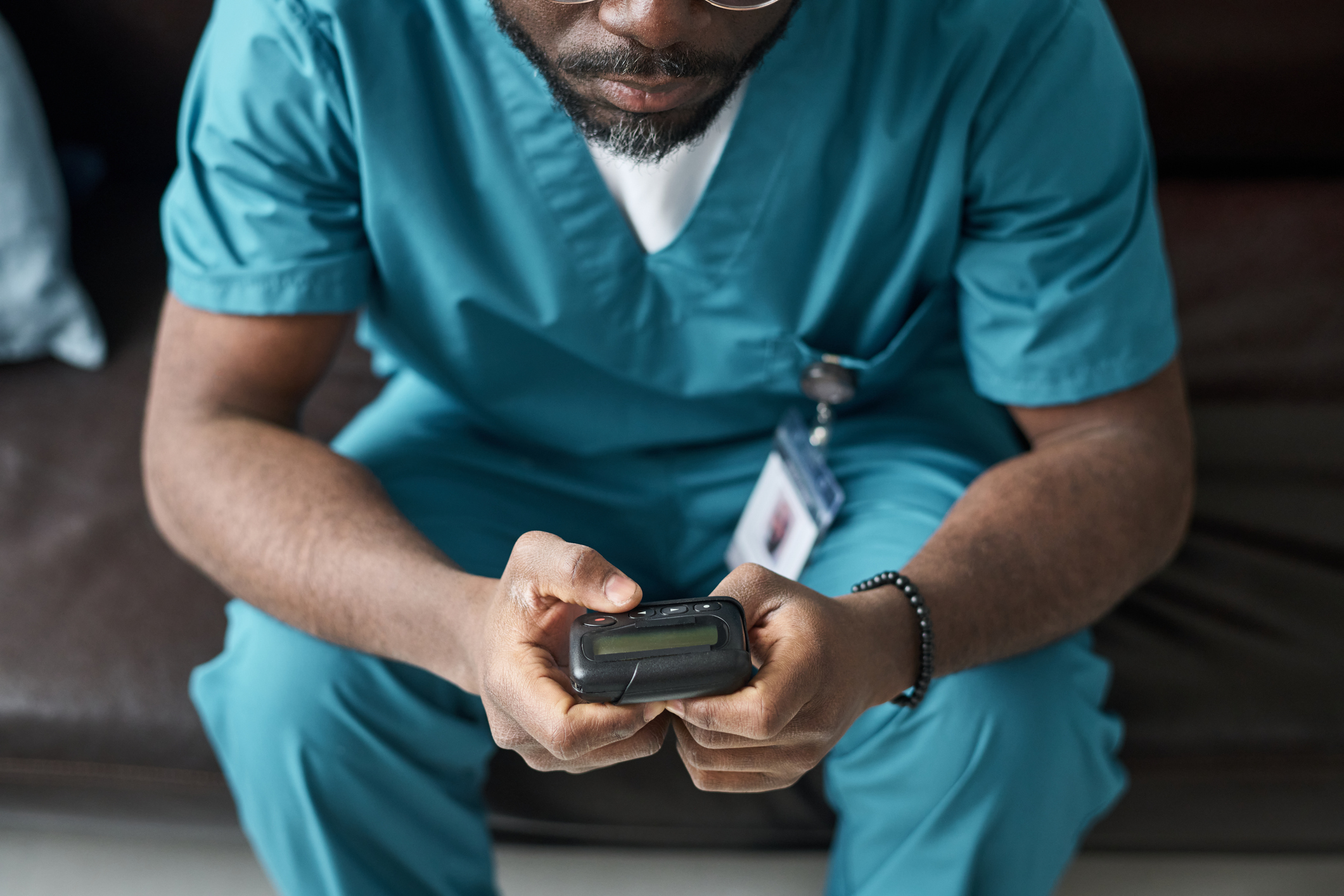
One-way Communication Creates Dangerous Inefficiency
You can't reply, confirm receipt, or request clarification. The average nurse spends 15-20 minutes per shift playing "phone tag" after receiving pages, according to the American Journal of Medical Quality. You leave your patient, find a landline (increasingly rare), dial the callback number, reach voicemail, leave a message, return to patient care, and wait for the cycle to repeat.
Related read: Communication Tools and Techniques for Clinical NursesLack of Context Increases Cognitive Load and Error Risk
A callback number tells you nothing about urgency, topic, or which patient needs attention. Is this about the patient actively decompensating, or yesterday's pending lab result? Healthcare Quality and Safety research attributes 60-80% of sentinel events to communication failures, with lack of message context identified as a primary contributing factor. You're forced to guess priorities while managing competing demands.
No Message Confirmation Creates Critical Gaps
Did the physician receive your page regarding the critically abnormal potassium level? Is help on the way for your deteriorating patient, or is your page sitting unread because the recipient is in surgery?
The Journal of Patient Safety found that 12-18% of urgent pages go unacknowledged for more than 30 minutes, not because providers are negligent, but because pagers don't confirm delivery or receipt. You don't know whether you need to escalate until it's too late.
Interruption Cascade Accelerates Burnout
The average physician receives 20-30 pages per shift, each requiring 3-7 minutes to resolve. That's potentially 3.5 hours per shift spent on communication logistics rather than clinical thinking or patient interaction. The constant vibration creates hypervigilance; you're never fully present, never truly focused.
Security Vulnerabilities Expose Patient Information
Despite perception, pagers are less secure than modern alternatives. Most pagers transmit unencrypted messages over radio frequencies that anyone with a $30 scanner can intercept. A 2023 investigation by HIPAA Journal found that hospital pagers in major cities were broadcasting callback numbers, patient names, and even some clinical details in plaintext. Using your smartphone, HIPAA-compliant encrypted messaging is significantly more secure.
The Generational Divide Threatens Workforce Retention
A 2024 survey in Academic Medicine found that 78% of residents and new nurses ranked the paging system among their top three workflow frustrations. Healthcare professionals who grew up with smartphones find reverting to 1950s technology absurd and demoralizing.
This isn't about entitlement; it's about using modern tools to work efficiently. As younger generations become the workforce majority, institutional resistance to communication upgrades will increasingly impact recruitment and retention.
When Pagers Make Sense (And When They Don't)
Pagers remain appropriate for specific use cases
Emergency codes, rapid responses, and time-critical alerts benefit from pager reliability, especially in institutions with poor cellular coverage or frequent network issues. Keeping pagers for these high-stakes, low-frequency events while transitioning routine communication to secure messaging platforms represents a pragmatic hybrid approach successfully implemented at institutions like the Cleveland Clinic and UCSF Medical Center.
Pagers become counterproductive for high-volume routine communication
If you're receiving 20+ pages per shift about lab results, medication questions, and care coordination issues (all requiring callback and conversation), the system is generating more work than value. The Journal of Hospital Medicine found that 65-70% of pages in typical medical-surgical units are non-urgent and could be handled via asynchronous secure messaging without compromising patient safety.
Consider your institutional context realistically
Does your hospital have reliable WiFi throughout clinical areas? Is IT support available 24/7 for smartphone or messaging app issues? Will the administration provide devices and data plans, or will staff be expected to use their personal phones?
A Health Affairs study found that poorly planned transitions from pagers to smartphones resulted in a 15-20% decrease in communication efficiency when infrastructure and support were inadequate.
The real problem isn't the pager: it's fragmented communication with no confirmation, no context, and no reply
HosTalky's secure messaging gives clinical teams read receipts, direct replies, priority tagging, and HIPAA-compliant communication in one place, everything a pager can't do, without sacrificing the reliability your team depends on.
See HosTalky in actionFix the Disconnect: Communication Beyond the Device
The pager debate reveals a deeper challenge: healthcare communication isn't just about technology, it's about connection, collaboration, and support systems that don't exist in most institutions.
Whether you're using pagers, smartphones, or carrier pigeons, the fundamental problem is the same: you're trying to coordinate complex care across fragmented teams without infrastructure for real-time collaboration, peer consultation, or efficient information sharing.
For a comprehensive overview of how pagers work and why they persist in healthcare, see our article "What Are Pagers and How Do They Work in Healthcare?" which explores the technical and institutional factors driving continued pager use.
This broader communication crisis is exactly what HosTalky addresses. As an all-in-one communication and productivity platform designed specifically for healthcare professionals, HosTalky provides the peer support network that traditional paging systems and even basic secure messaging, can't deliver.
01Should I refuse to use a pager and insist on a smartphone instead?
02What's the most common reason hospitals give for keeping pagers?
03Are there legal or regulatory requirements to use pagers in hospitals?
04Can I use my personal smartphone instead of a pager?
05How do I know if my hospital is planning to replace pagers?
06What's the best secure messaging alternative to pagers?
Conclusion
Hospital pagers offer genuine advantages: reliability, building penetration, battery life, and simplicity that explain their persistence despite obvious limitations. But these benefits come at a significant cost: time wasted, communication delays, cognitive burden, and contribution to the isolation and inefficiency that accelerate healthcare worker burnout.
The question isn't whether pagers are perfect or terrible; it's whether their advantages outweigh their drawbacks for your specific clinical context.
The answer, increasingly, is no for routine communication, but sometimes yes for critical emergencies. Focus not just on devices but on building the communication infrastructure and peer connections that sustain excellent patient care.
Check out HosTalky's top features and how it can upgrade and help your workforce.
Disclaimer: This article is for educational purposes only and does not constitute medical, legal, or professional advice. Healthcare communication systems should be evaluated and implemented under the guidance of qualified IT professionals, clinical leadership, and in compliance with HIPAA regulations and institutional policies. Individual experiences with communication technologies may vary.