


20 Practical and Meaningful Christmas Gift Ideas for Nurses
Most gift guides for nurses are written by people who have never worked a floor. That's how you end up with scented candles for someone whose unit bans fragrance, and novelty mugs for someone who already owns eleven.
This guide is organised by budget and by what actually gets used on shift. Every item solves a specific problem: standing for twelve hours, hands that crack from washing, coffee that goes cold by 09:00, a phone that lives in a scrub pocket.
The gifts nurses reliably appreciate solve a shift problem: compression socks, a genuinely insulated tumbler, fragrance-free barrier-repair hand cream, good insoles, and flexible gift cards. Check unit rules on fragrance, uniform colour and lids before buying anything.
Quick picks
| Gift | Best for | Budget |
|---|---|---|
| Antimicrobial badge reel | Anyone with a hospital ID | Under $25 |
| Medical penlight | New grads, ED and neuro nurses | Under $25 |
| Barrier-repair hand cream | Every nurse, without exception | Under $25 |
| Compression socks | Floor nurses, long shifts | $25–$75 |
| Insulated tumbler | Anyone who reheats coffee three times | $25–$75 |
| Memory-foam insoles | Nurses on their feet all shift | $25–$75 |
| Thermal scrub jacket | Cold units, night shift | $25–$75 |
| Shift-work planner | Rotating schedules, students | $25–$75 |
| Weighted blanket | Night shift, poor sleepers | $75+ |
| Scrub backpack | Commuters, travel nurses | $75+ |
| Massage or spa gift card | Anyone with back pain | $75+ |
| Clinical reference app subscription | New grads, students | $75+ |
Stocking stuffers under $25
1. Antimicrobial badge reel
What it is: A retractable ID badge reel with an antimicrobial coating.
Why nurses love it: Badge reels touch everything and get lost constantly, so a spare is never wasted.
Worth knowing: Antimicrobial coatings reduce surface bacterial load, but they don't replace hand hygiene or cleaning. Treat it as a small bonus, not infection control.
2. Medical penlight
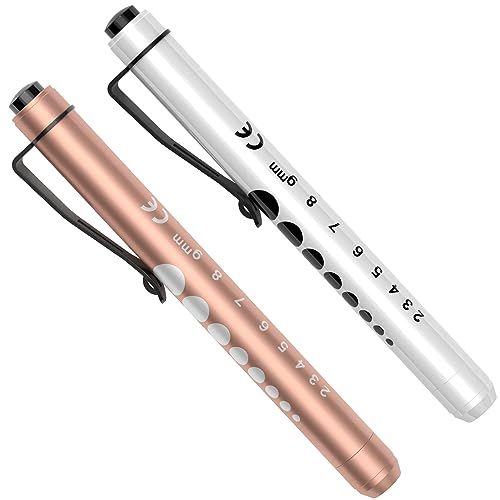
What it is: A diagnostic penlight for pupil and neuro checks.
Why nurses love it: Penlights disappear. Every nurse has borrowed one and not got it back.
Worth knowing: Look for a pupil gauge printed on the barrel and a metal clip, because plastic clips snap in a scrub pocket.
3. Barrier-repair hand cream
What it is: A thick moisturiser with ceramides, glycerin or dimethicone.
Why nurses love it: Repeated handwashing and glove use cause irritant contact dermatitis. Cracked hands are a genuine occupational problem, not a cosmetic one.
Worth knowing: Fragrance-free is much safer. Many units restrict scented products, and irritated skin reacts to fragrance.
4. Pocket organiser
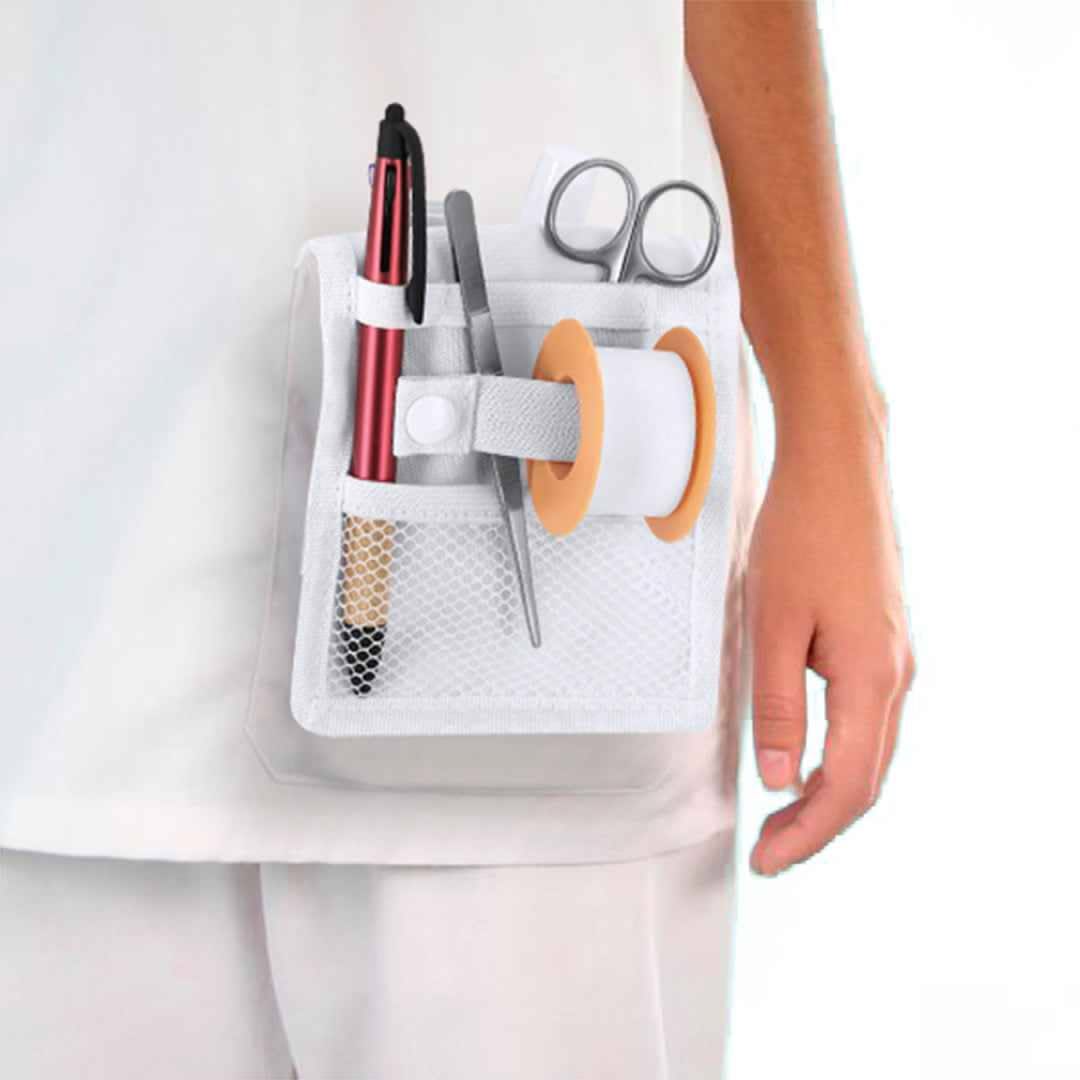
What it is: A fabric or silicone insert that holds scissors, pens, tape and a penlight.
Why nurses love it: Scrub pockets have no structure, and everything ends up at the bottom.
5. Good pens
What it is: Retractable, quick-dry, ideally multi-colour.
Why nurses love it: Pens vanish faster than penlights. Unserious as a standalone gift, but an excellent stocking filler.
Mid-range, $25 to $75
6. Compression socks
What it is: Graduated compression socks, typically 15–20 mmHg for general wear.
Why nurses love them: Twelve hours upright causes venous pooling, swelling and aching legs. Compression is one of the few interventions nurses reliably say they notice.
Worth knowing: Higher compression does not mean better. The 20–30 mmHg medical grade is one some people find uncomfortable for daily wear. Brands nurses commonly mention include Bombas and Sockwell.
7. Insulated tumbler
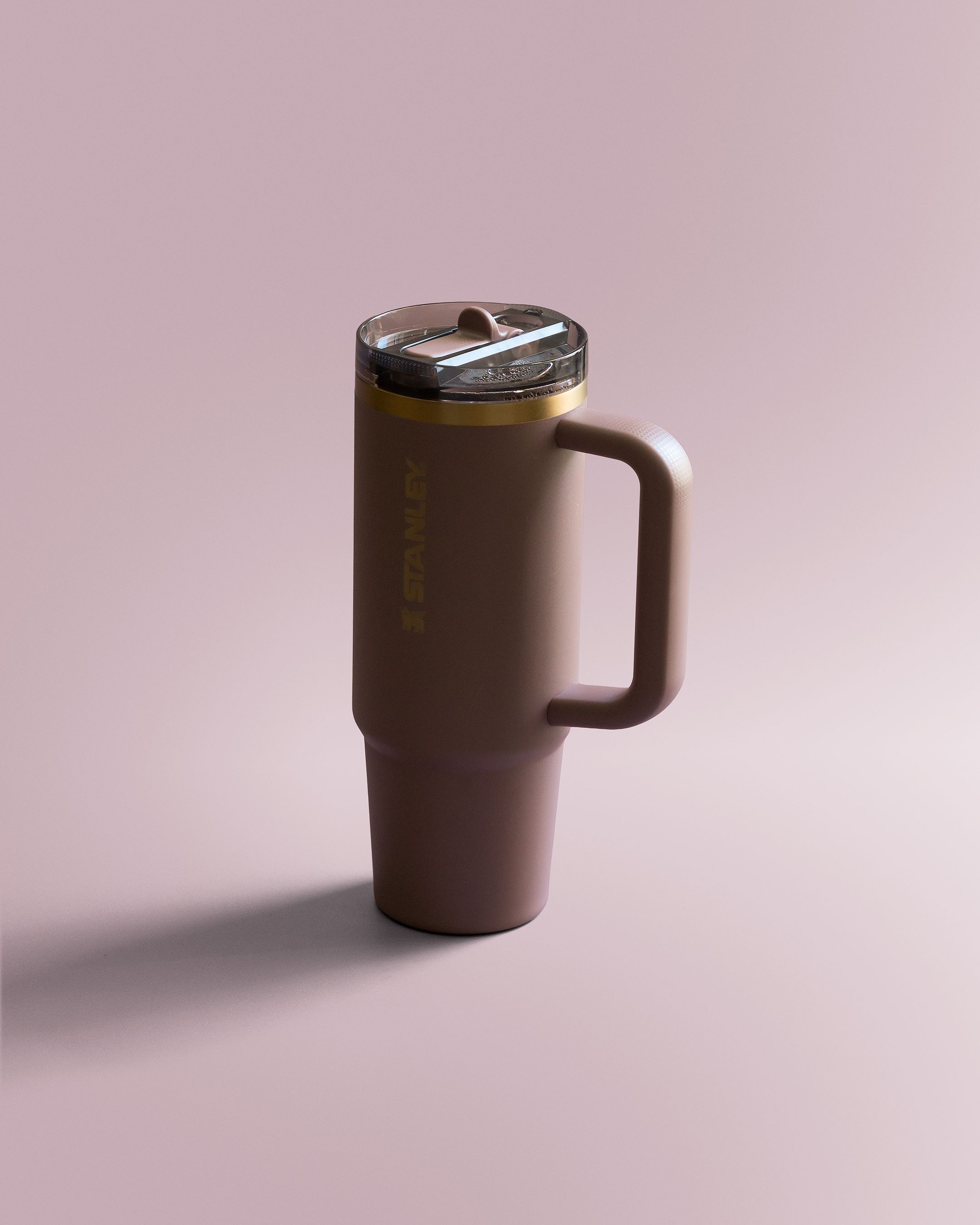
What it is: A vacuum-insulated bottle or tumbler with a secure lid.
Why nurses love it: Hydration collapses on a busy shift. A drink that's still cold at hour ten gets finished.
Worth knowing: Check the unit's rules, since some require a fully sealed lid at the nurses' station. Owala and YETI are the two most frequently named.
8. Memory-foam or structured insoles
What it is: Cushioned or arch-supporting insoles for work shoes.
Why nurses love them: Prolonged standing is associated with lower-limb and back musculoskeletal complaints.
Worth knowing: Cushioning and arch support are different things. Superfeet is the usual recommendation for support, while softer foam suits people who want padding.
9. Thermal scrub jacket
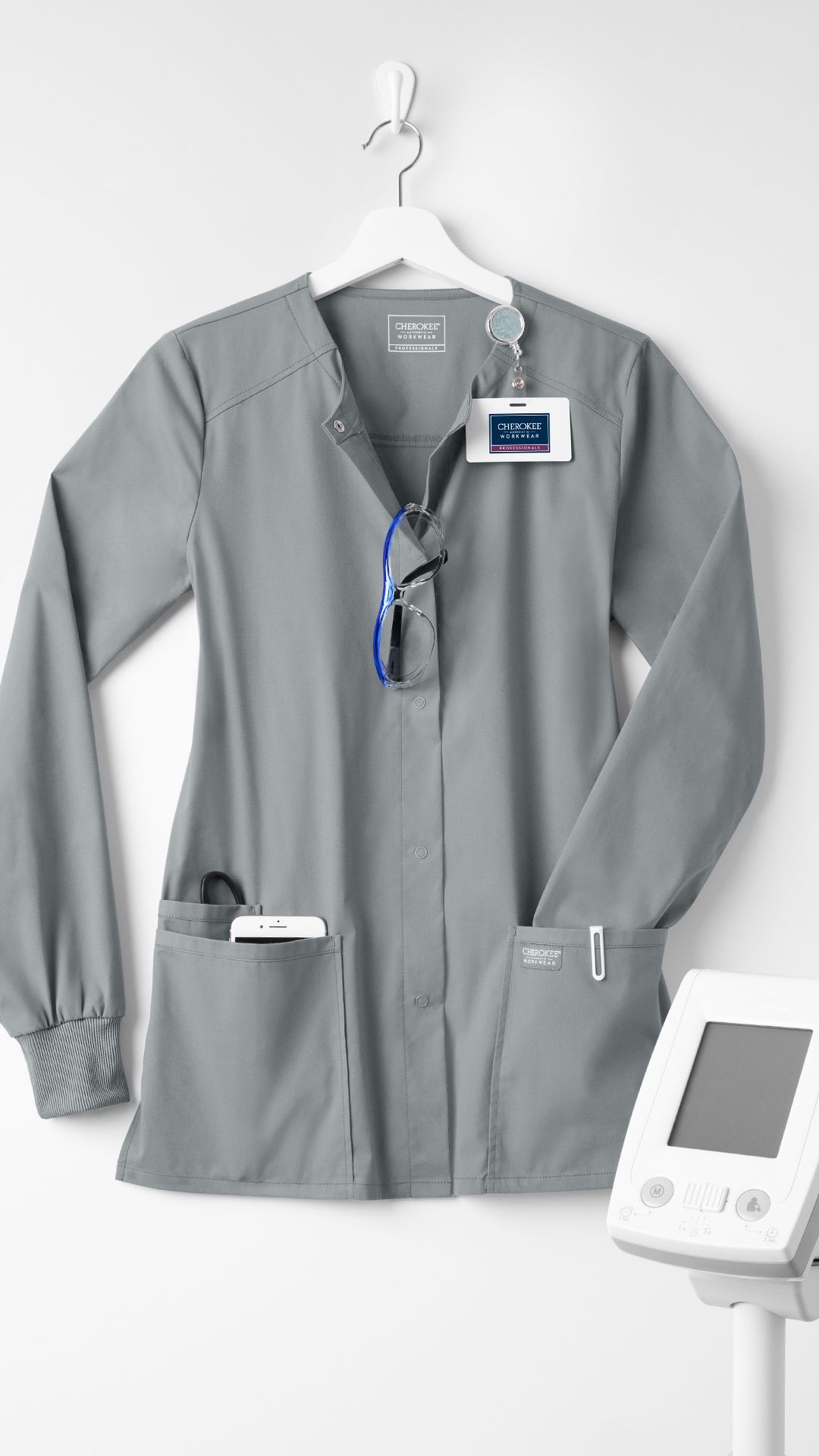
What it is: A warm, uniform-compatible layer.
Why nurses love it: Hospitals run cold, and jackets need to survive industrial laundering.
Worth knowing: Check the employer's uniform policy on colour and logos before buying. FIGS is the most-named brand, but hospital-specific rules override fashion, so double-check.
10. Shift-work planner
What it is: A planner laid out for rotating shifts rather than Monday-to-Friday.
Why nurses love it: Tracking rotations, CE credits and certification renewals in one place.
11. Folding clipboard with privacy cover
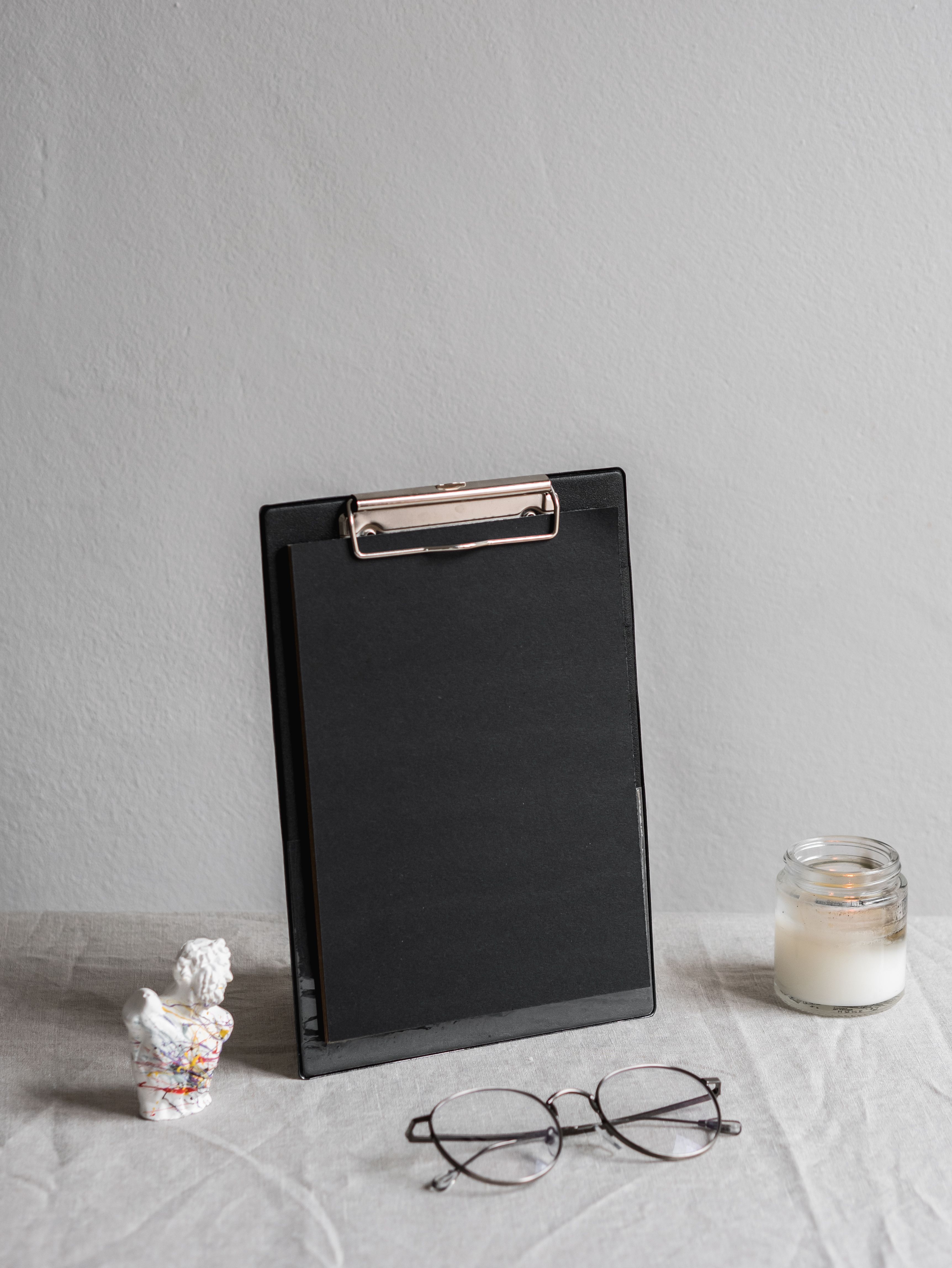
What it is: A clipboard that closes over its contents.
Why nurses love it: Handover notes stay covered when set down.
Worth knowing: Helpful for privacy habits, but it is not a HIPAA compliance measure and shouldn't be described as one. Written patient information still follows unit policy.
12. Blue-light-filtering glasses
What it is: Glasses that filter short-wavelength light from screens.
Why nurses love them: Charting means hours of screen time, often at night.
Worth knowing: Be honest about the evidence. Most trials of blue-light-filtering lenses for eye strain have been largely unconvincing, though many people report feeling better wearing them. Frame it as comfort, not a clinical intervention.
13. Healthy snack box or meal subscription
What it is: Ready-to-eat meals or curated snacks.
Why nurses love it: Meals get skipped, but food that needs no preparation gets eaten.
14. Travel mug with a genuinely spill-proof lid
What it is: A heat-retaining mug that survives being knocked over in a car.
Why nurses love it: The coffee reheating cycle is universal, especially for night shift nurses.
15. Dry shampoo and a water-resistant watch with a second hand
What it is: Practical shift essentials.
Why nurses love it: A watch with a sweep second hand is still used for respiratory rates and pulse checks, and many units prohibit wrist jewellery beyond a plain band.
16. Scrub backpack
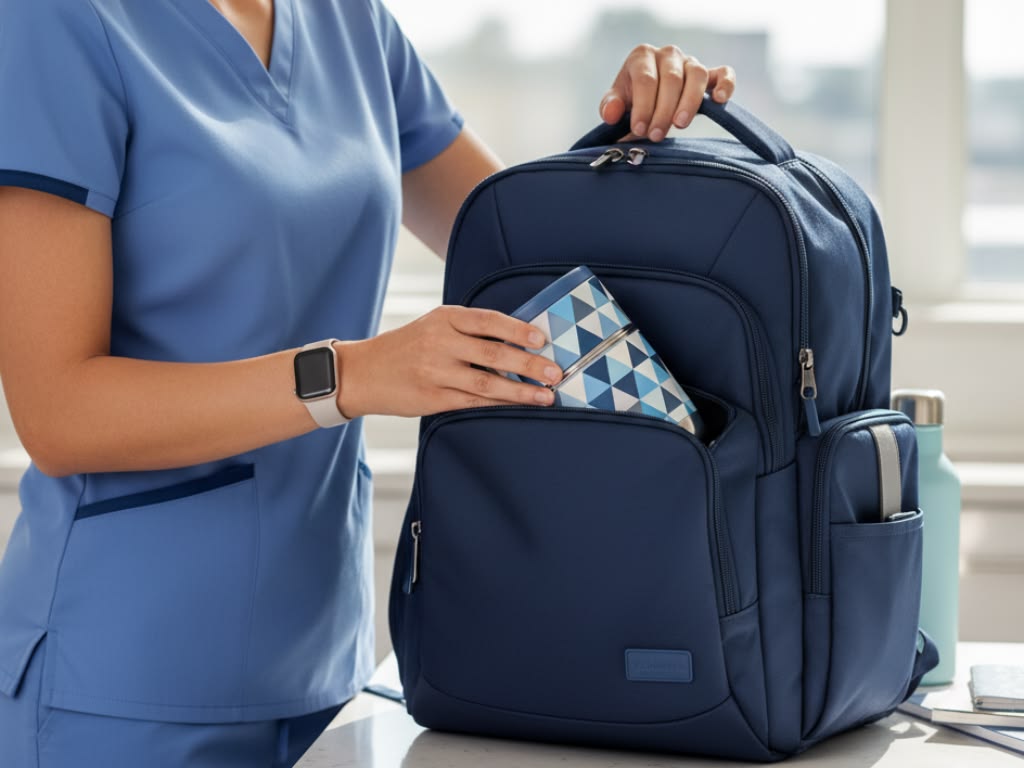
What it is: A backpack with compartments for shoes, laptop, stethoscope and lunch.
Why nurses love it: Shift bags get heavy, so structure and a separate shoe compartment matter.
17. Weighted blanket
What it is: A blanket weighted to roughly 10% of body weight.
Why nurses love it: Many people find deep-touch pressure calming, which matters for anyone trying to sleep at the wrong time of day.
Worth knowing: Evidence supports reduced self-reported anxiety and improved sleep quality in some groups. Claims about increasing REM sleep specifically are not well supported.
18. Massage or spa gift card
What it is: A voucher for therapeutic massage.
Why nurses love it: Back and shoulder strain is close to universal in bedside nursing, and a voucher removes the guilt of booking it.
19. Clinical reference app subscription
What it is: A year of a drug guide and clinical calculator suite.
Why nurses love it: Particularly useful for new grads and students, who look things up constantly.
Worth knowing: Check whether the employer already provides institutional access before buying.
20. Quality stethoscope, or a case for the one they own
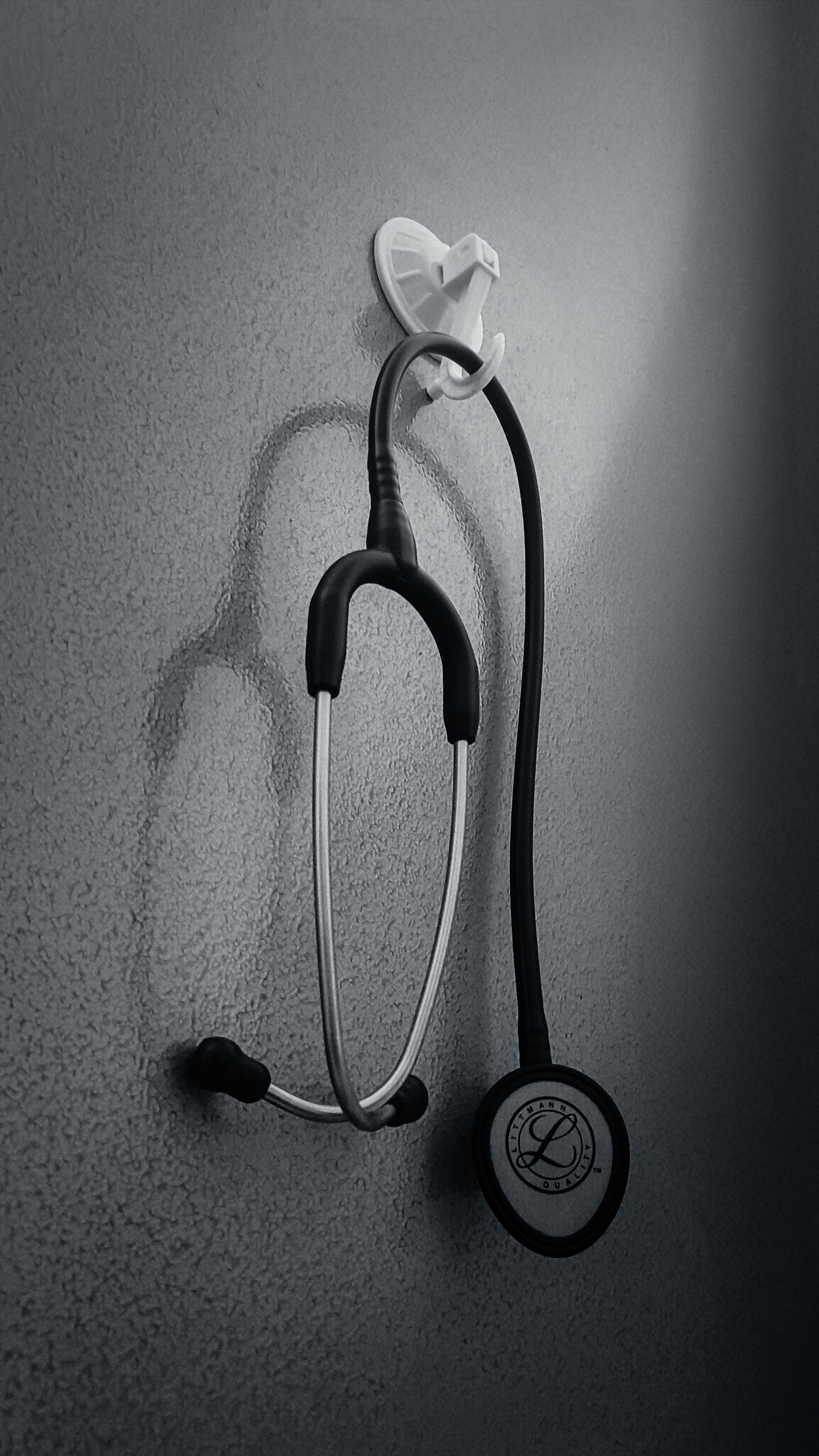
What it is: Either an upgrade, or a shock-resistant case.
Why nurses love it: Stethoscopes are personal kit and get damaged or stolen. Replacement is a real expense, and cardiology-grade models run well into three figures.
Worth knowing: Ask before upgrading. Nurses are particular about their stethoscopes, and the one they have may be the one they want.
Gifts from nurse managers and hospital leaders
Team gifting is a different problem. Individual novelty items scale badly, and anything perishable creates allergy and dietary complications.
What works: gift cards with genuine flexibility, catered food during a shift rather than after it, and protected time. Nurses consistently rate schedule control and adequate breaks above tokens of appreciation. A unit that receives branded water bottles while running short-staffed will read the gesture accurately.
The more valuable thing a manager can give is a reduction in the administrative load: fewer duplicated systems, less time charting, fewer interruptions during handover. That's a budget conversation rather than a December one, but it's the gift that lasts past January.
How to choose
- Ask about unit rules first. Fragrance restrictions, uniform policy, jewellery rules and lid requirements vary by employer and quietly invalidate a lot of gift ideas.
- Practical beats sentimental, but personal beats generic. A nurse-themed mug is generic. A gift card to the coffee place by the staff entrance is personal.
- Avoid anything implying they should work harder. Productivity planners and "hustle" merchandise land badly in a profession already running on overtime.
- When in doubt, food or a gift card. Neither is unimaginative if chosen with attention.
Key Takeaways
- Budget brackets matter more than item count: under $25 for stocking stuffers, $25–$75 for the reliable everyday items, $75+ for one substantial gift.
- Compression socks, insulated tumblers and barrier-repair hand cream are the three most consistently appreciated items.
- Check unit rules on fragrance, uniform colour and sealed lids before buying, since they quietly rule out common gifts.
- Don't upgrade a stethoscope without asking. It's personal kit and preferences are strong.
- For a whole unit, flexible gift cards and catered food during the shift beat branded merchandise.
- Avoid anything that implies working harder, and anything scented.
The best gift for a nursing team isn't wrapped.
Nurses consistently rank schedule control, adequate staffing and less administrative friction above any token of appreciation. HosTalky works on one piece of that: keeping teams coordinated without adding to the documentation load.
Explore the Resources HubFAQs
What do nurses actually want for Christmas?
Practical items they use on shift: compression socks, a good insulated tumbler, quality hand cream, comfortable insoles, and gift cards. Nurses consistently favour things that solve a shift problem over nurse-themed novelty items.
What is a good gift for a nurse under $25?
Antimicrobial badge reels, medical penlights, fragrance-free barrier-repair hand cream, pocket organisers and good retractable pens. All are consumable or easily lost, which means a spare is always useful.
What should you not buy a nurse?
Scented products, since many units restrict fragrance. Anything requiring a uniform policy exemption. Novelty items referencing being overworked. And stethoscope upgrades without asking first. Perishable food for a whole unit also creates dietary and allergy complications.
What can a manager give a whole nursing unit?
Flexible gift cards, catered food during the shift rather than after it, and protected break time. Surveys of nurses consistently rank schedule control and adequate staffing above symbolic recognition.
Are compression socks a good gift for nurses?
Yes, and they are one of the most reliably appreciated items on any nurse gift list. Look for 15 to 20 mmHg for general daily wear; higher medical-grade compression can be uncomfortable for all-day use.