Stock Epinephrine in Schools: Why Every Canadian Province Needs a Plan
A Medical Emergency Can Happen Without Warning
Last May, six-year-old Kofi Berkley developed itching, swelling, and difficulty breathing while playing at school in Edmonton. He had no known allergies, but his school had epinephrine available. Staff administered it before paramedics arrived, saving his life.
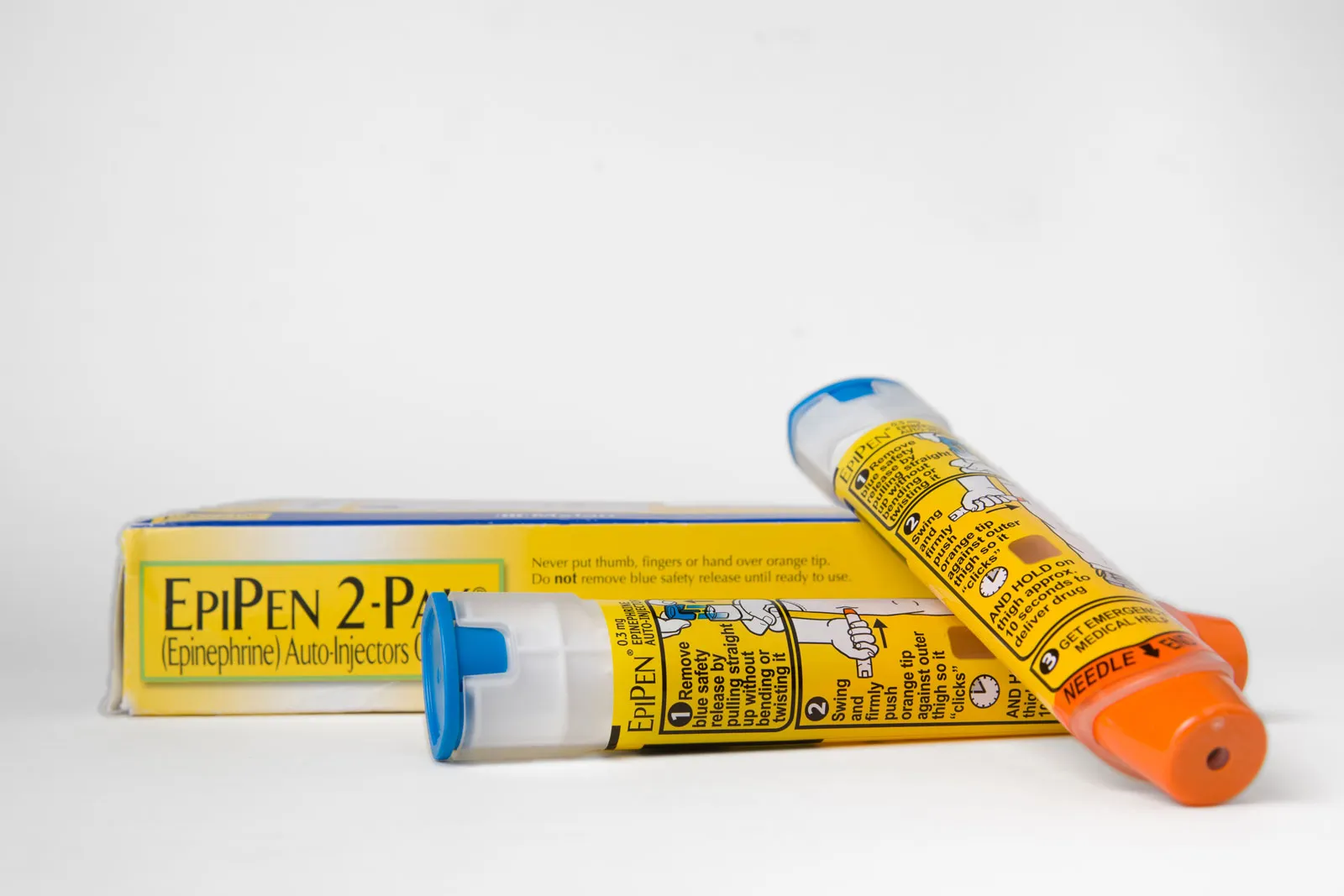
His experience highlights a gap in Canadian school safety. Stock epinephrine is emergency medication kept at school for people experiencing a suspected severe allergic reaction, including those without a known allergy. Alberta requires schools to stock it, but other provinces have not adopted the same province-wide requirement.
Key Takeaways
- Stock epinephrine helps schools respond to severe allergic reactions, even when students have no diagnosed allergies.
- Alberta is the only province reported to require all schools to stock epinephrine.
- A study found that pre-hospital epinephrine use in Edmonton school anaphylaxis cases increased from 35.7% to 64.5% after Alberta introduced its legislation.
- Staff training and clear emergency procedures are essential for timely treatment.
- Stock medication can reduce the financial burden on families who cannot afford multiple autoinjectors.
Why Do Schools Need Stock Epinephrine?
Anaphylaxis is a severe, potentially life-threatening allergic reaction that can progress rapidly. Although schools often maintain individual allergy plans, these plans cannot cover every emergency.
Some children experience their first severe allergic reaction before anyone identifies an allergy. Food Allergy Canada estimates that 7–8% of Canadian children have food allergies, while U.S. research suggests approximately 25% of school anaphylaxis cases involve students without a known history of severe allergy.
These figures demonstrate why emergency preparedness must protect the entire school population, not only students with diagnosed allergies.
Here are five key takeaways from why stock epinephrine in Canadian schools matters and what needs to change to better protect students during anaphylaxis emergencies.
1. Alberta’s Legislation Offers Evidence of Progress
Alberta introduced legislation requiring schools to stock epinephrine in 2020. Food Allergy Canada is calling on other provinces to follow its example.
A peer-reviewed study examining school anaphylaxis cases in Edmonton found that pre-hospital epinephrine use increased after the legislation took effect.
| Measure | Finding |
|---|---|
| Epinephrine use before legislation | 35.7% |
| Epinephrine use after legislation | 64.5% |
| Total cases examined | 59 |
Researchers did not observe a similar increase in Quebec or Ontario, which lacked the same requirements.
However, the study examined a small number of cases using a before-and-after design. The findings support an association between the legislation and increased epinephrine use, but they cannot prove that legislation alone caused the improvement.
Despite these limitations, the results support evaluating mandatory stock epinephrine policies across Canada.
2. Staff Training Is Just as Important as Medication Access
Epinephrine is the first-line medication for anaphylaxis, and delayed administration can increase the risk of serious complications.
Simply keeping medication on-site is not enough. Staff must know how to recognize a suspected reaction, locate available medication, and follow emergency procedures.
Food Allergy Canada reports that Alberta’s legislation has also contributed to increased anaphylaxis education. School staff must complete a free online training module that takes approximately 30 minutes.
For school administrators, the priority is to combine accessible medication with clear protocols, staff education, and regular checks of medication expiry dates.
3. Stock Epinephrine Can Reduce Financial Barriers
Epinephrine autoinjectors can cost approximately $100 each, according to Canadian news reporting. Some families cannot afford multiple devices for school, home, and other settings.
When a child’s only autoinjector stays at school, it may not be available elsewhere. Stock epinephrine provides an additional safety measure without requiring families to supply every emergency device themselves.
It does not replace prescribed medication or individual allergy plans, but it can reduce the pressure on families and help make school emergency preparedness more equitable.
4. Why Are School Policies Different Across Canada?
Alberta requires schools to stock epinephrine, while other provinces rely on different combinations of individual allergy plans and school-board policies.
Ontario’s Sabrina’s Law requires schools to establish anaphylaxis policies, but it does not impose the same province-wide stock epinephrine requirement as Alberta. British Columbia allows schools to carry additional devices while requiring anaphylaxis safety plans.
The difference is important: allowing schools to stock medication does not guarantee that every school will have it.
A consistent provincial policy would need to address:
- Who purchases and maintains emergency medication.
- How expired or used devices are replaced.
- What training staff must complete.
- Which approved delivery devices schools can stock.
These practical considerations require planning, but they should not prevent governments from evaluating a consistent minimum safety standard.
5. New Delivery Options May Shape Future Policies
In April 2026, Health Canada approved neffy, a needle-free epinephrine nasal spray for adults and children weighing at least 30 kilograms.
This development creates another consideration for school emergency planning. Policies should accommodate approved delivery options rather than depend unnecessarily on a single device.
Schools and policymakers must consider approved indications, medication availability, and established emergency protocols when determining which products to stock. Flexible policies may also help institutions manage future supply disruptions.
What Can School Administrators Do Now?
Even where stock epinephrine is not mandatory, administrators can strengthen emergency preparedness by:
- Reviewing school policies to confirm what medication is available and how staff can access it.
- Training staff to recognize suspected anaphylaxis and follow emergency procedures.
- Maintaining medication supplies by monitoring expiry dates and replacing used devices.
- Reviewing emergency plans to clarify responsibilities, communication, and contact with emergency services.
These steps complement individual allergy plans and applicable provincial requirements.
The Bottom Line
Kofi Berkley’s experience demonstrates why schools need to prepare for allergic reactions that occur without warning. Alberta’s legislation has been associated with increased pre-hospital epinephrine use and greater attention to anaphylaxis education, although further research would strengthen the evidence.
Canadian provinces should evaluate whether stock epinephrine belongs in every school’s minimum safety requirements. Medication access, staff training, and clear emergency procedures should work together to protect students, regardless of where they attend school.
FAQs
1. What is stock epinephrine in schools?
Stock epinephrine is emergency medication kept on school premises for use during a suspected severe allergic reaction. Unlike medication prescribed to an individual student, it can be available to someone who has no diagnosed allergy or personal medication at school.
2. Which Canadian province requires schools to stock epinephrine?
Alberta is the only province reported to require all schools to stock epinephrine through legislation. Other provinces have anaphylaxis policies, but they do not have the same province-wide stock requirement described in this article.
3. Why do schools need epinephrine if students have allergy plans?
Individual allergy plans cannot anticipate every emergency. Some students experience their first severe allergic reaction before anyone identifies an allergy. Stock epinephrine provides an additional safeguard when personal medication is unavailable, complementing rather than replacing individual allergy plans.
4. Does research support mandatory stock epinephrine?
A study of 59 Edmonton school cases found that pre-hospital epinephrine use increased from 35.7% to 64.5% after Alberta introduced its legislation. However, the study’s small sample and before-and-after design mean the findings demonstrate an association, not definitive proof of causation.
5. Can schools use epinephrine nasal spray instead of an autoinjector?
Health Canada approved neffy, a needle-free epinephrine nasal spray, for adults and children weighing at least 30 kilograms in 2026. School policies should account for approved products, applicable indications, availability, and established emergency protocols.
Sources and References
▾