

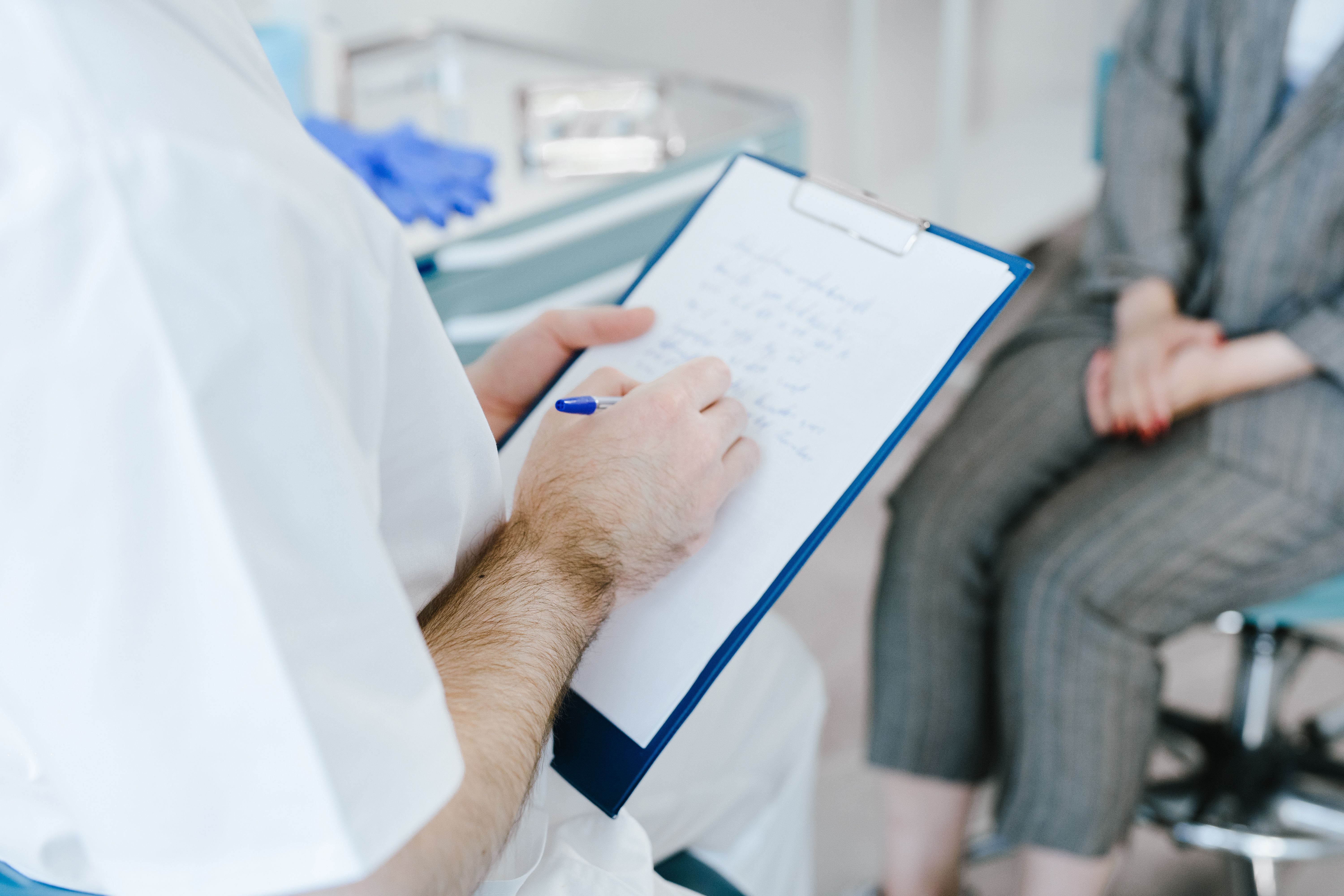
AI Note-Taking Cuts Documentation Time by 50% for Clinicians
- AI note-taking reduced note time from about 6 minutes per clinical note to 3 minutes, cutting per-encounter note time by 50% while producing more detailed output than manual documentation.
- For a clinician seeing 25 patients per week, a 3-minute reduction per note returns nearly 90 minutes weekly. Compared with writing equally detailed notes by hand, savings reach about 3 hours per week.
- The AI listens to the patient session, generates a draft note, and presents it for clinician review and editing before finalization. The clinician retains full responsibility for every signed note.
- Personalization lets the system match a clinician's preferred note style, cutting editing time and making it easier to adopt.
- The evidence is consistent: AI as a drafting assistant produces real gains. AI as an autonomous system creates clinical and compliance risk.
AI note-taking cuts note time in half and gives clinicians up to three extra hours each week, according to a July 2026 report in Healthcare IT News. The report profiles Aaron Weiner, a board-certified addiction psychologist and executive vice president of Prevention Research Institute. His experience shows what is possible when AI writes the first draft and the clinician stays in control.
Before adopting the tool, Weiner estimated that even a relatively simple clinical note required about 6 minutes. More detailed notes could take closer to 10. Seeing 6 to 8 patients daily meant at least an hour of paperwork after clinic hours or fewer appointments during the day.
One challenge we previously faced was trying to strike a balance between the quality of a clinical note and the time required to write a quality note.
After adopting Note Taker from SimplePractice, an ambient listening tool, reviewing an AI draft took about 3 minutes per note. The notes were more detailed than what he wrote by hand. For a clinician seeing 25 patients a week, that is 90 minutes back every week. For notes that are equally detailed to manual ones, the savings reach 3 hours per week.

The approach is the critical detail. This is the ambient note model. The AI medical scribe listens to the session, writes a draft note, and hands it to the clinician to review and sign. Weiner retains responsibility for every final note, using AI as a drafting assistant rather than an autonomous documentation system.
In behavioral health, notes carry real legal and clinical weight. They support billing, guide future care, and serve as the record if treatment is ever reviewed. A system that files notes without clinician review creates risks most practices are not ready to handle. The ambient model avoids those risks entirely.
For healthcare administrators: The documented savings, 3 hours per week per clinician, translate directly into appointment capacity. For a practice with 10 clinicians each seeing 25 patients a week, that is 30 hours back per week across the team. Redirected toward patient care, that is real capacity gain without new hires.
The note burden Weiner describes is not unique to behavioral health. EHR demands and admin workload affect nurses, physicians, and allied health staff in every specialty. A 2024 McKinsey survey found 49% of nurses who quit listed admin overload and poor communication tools as top reasons. Every hour spent on notes after clinic is an hour not spent on patients, learning, or rest.
The personalization in the tool Weiner used is also worth noting. After sharing a sample note, the system adapted to match his style. Generic tools require as much editing as writing from scratch. An AI scribe that learns a clinician's style reduces editing time and is more likely to stick.
AI-assisted note tools address one part of the admin burden clinicians carry. Real-time clinical communication addresses another. The two are distinct problems that make each other worse when neither is solved.
After seeing a patient, clinicians still need to coordinate with their team, flag urgent findings, and hand off across shifts. AI note tools cut the time spent on notes and EHR charting. Clinical communication platforms cut the time spent on coordination and handoffs. Together they tackle the two biggest sources of non-clinical time in a clinician's day.
The broader lesson extends beyond behavioral health. The best AI note tools do not replace clinical judgment. They cut admin workload while keeping clinicians in control. As note demands grow and staff shortages worsen, ambient AI tools are becoming a key part of clinical workflow and physician productivity strategy.
HosTalky's AI Scribe works the same way. It generates a draft for the clinician to review and sign, with professional judgment staying in control throughout.
How much time does AI note-taking actually save clinicians?
Does AI note-taking replace the clinician in writing the note?
Is AI-assisted note-taking HIPAA-compliant?
Can AI note tools adapt to different clinician styles?
What is the difference between AI note-taking and a clinical communication platform?