


The Best Medical Residency Programs in the World
The 2025 Main Residency Match was the largest in NRMP history: 52,498 registered applicants competing for 43,237 positions, with U.S. citizen international medical graduates matching at a rate of 67.8%. But the US is only one option. Choosing the right medical residency program shapes your entire career, and with strong systems in the UK, Germany, Canada, and beyond, the "best" program depends heavily on your specialty, citizenship, and priorities. Here's how the leading countries compare.
- The US offers the largest and most diverse residency system, with a record 43,237 positions in 2025 and strong match rates for IMGs in Internal Medicine, Family Medicine, and Pathology.
- The UK trains through the NHS with leading schools like Oxford and Cambridge, though the full path to consultant can take 8 to 20 years.
- Germany is one of the more accessible options for international graduates, thanks to a physician shortage and a direct hospital-department application process rather than a centralized match.
- Canada offers high-quality training but restricts most positions to citizens and permanent residents, making it a tougher system for international applicants.
- Emerging strong programs exist across the Nordic countries, Netherlands, France, Singapore, Japan, and South Korea, each with distinct training lengths and accessibility for IMGs.
Global Leaders in Medical Residency Training
The US has one of the largest and most diverse sets of medical residency programs. In the 2025 Match, a record 43,237 positions were offered, including 40,041 PGY-1 positions, the highest number in NRMP history.

Top institutions: Harvard Medical School, Johns Hopkins University, Mayo Clinic, and UCSF consistently rank among the best, known for groundbreaking research and strong training.
Match statistics: In the 2025 Match, U.S. citizen IMGs matched to PGY-1 positions at 67.8%, and non-U.S. citizen IMGs at 58%. Combined, IMGs filled roughly 9,761 first-year positions, concentrated in Internal Medicine, Pathology, and Family Medicine.
Program structure: Most US residencies last 3 to 7 years depending on specialty, and require passing the USMLE exams alongside strong clinical and research performance.
The UK's National Health Service (NHS) offers a well-organized approach to medical training, with the full path from graduation to consultant taking 8 to 20 years.

Top programs: Oxford University, Cambridge University, and Imperial College London are leaders in British medical education, regularly appearing in global top 10 lists.
Training structure: The UK renamed the "junior doctor" title to "resident doctor" in 2024, reflecting the expertise gained during training. Initial Foundation training lasts 2 years, followed by specialty training of 3 to 8 years.
Germany is a welcoming option for international medical graduates seeking residency training, largely due to a persistent physician shortage.
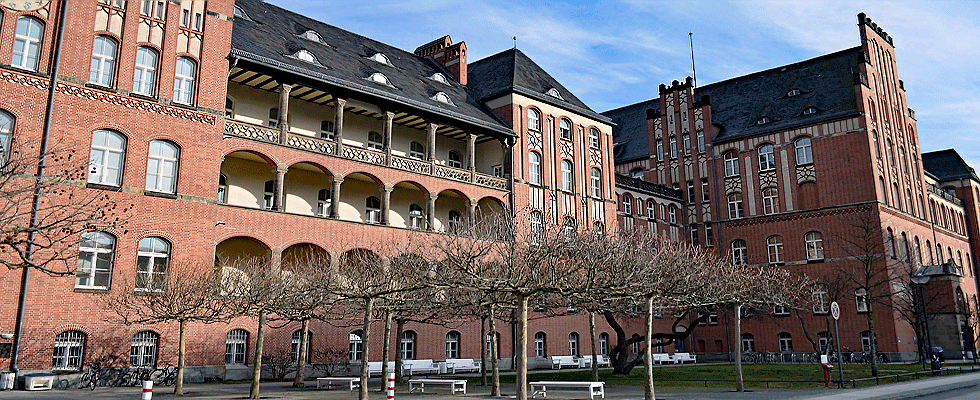
Advantages: Competitive salaries, comprehensive training, and a more direct application process than most other European nations. Institutions like Charité Berlin provide strong training across specialties.
Requirements: Unlike the centralized US Match, applicants apply directly to hospital departments, but must pass the Fachsprachprüfung (medical German language exam) and the Kenntnisprüfung.
Opportunities: Many international graduates find success in competitive specialties like cardiology and orthopedics in major German cities.
Emerging Powerhouses
Canada is known for high-quality medical education, though access for international graduates remains difficult.
Leading institutions: University of Toronto, McGill University, and University of British Columbia offer strong residency programs with a research focus.
Challenges: Most residency positions require Canadian citizenship or permanent residency. Ontario in particular has tightened eligibility further. See our 2026 guide to Ontario medical school applications for the current requirements.
Australia emphasizes work-life balance while maintaining high clinical standards.
Top universities: University of Melbourne, University of Sydney, and Monash University lead Australian medical education. Residencies typically run 3 to 8 years with a community health focus.
IMG pathways: Australia has structured pathways for international medical graduates, though competition can be fierce. For more on how pay and lifestyle compare across countries, see Compensation & Work-Life Balance: 5 Best Countries for Doctors.
Switzerland offers high-quality medical training in a multilingual setting, but access is largely limited to EU citizens or those married to EU nationals.
Training duration: Specialist training generally runs 3 to 6 years and includes a mandatory one-year elective rotation focused on practical experience.
European Excellence
Sweden, Denmark, and Norway offer government-funded training with an exceptional work-life balance. Programs run about 5 years and are backed by strong government initiatives emphasizing equality and family-friendly policy.
The Netherlands allows graduates to gain specialized experience before formally starting residency. Dutch programs typically run 4 to 6 years, emphasizing practical experience, research, and early specialty exploration.
French residency programs emphasize research and academic excellence, but entry is highly competitive for international graduates. The ECN/EDN examination system makes entry difficult, and few foreign graduates secure spots in popular specialties.
Asian Leaders
Singapore is known for advanced medical technology and a multicultural environment, though international medical degrees may face recognition challenges. Comprehensive training is available in fields like cardiology and oncology, typically running 3 to 7 years.
Both countries maintain strong medical systems and structured training programs, though language barriers and cultural adjustment can be real hurdles for international graduates.
Key Evaluation Criteria for Top Programs
The best medical residency programs tend to share a few common traits:
- Research excellence: Top programs consistently produce high-quality research and maintain strong publication records.
- Faculty quality: Leading institutions attract top physicians who provide mentorship and advanced training.
- Clinical diversity: Premier programs expose residents to complex cases and diverse patient populations.
- Career outcomes: The best programs have strong track records placing graduates into fellowships and advancing their careers.
- Work-life balance: More top programs are now actively balancing rigorous training with healthy working conditions.
Coordinating Care Across a New Residency?
HosTalky gives residency teams a secure, HIPAA-compliant way to communicate across shifts, departments, and attendings from day one.
See How HosTalky WorksRecommendations for Prospective Residents
For International Medical Graduates
- Consider Germany for a more direct path into European training.
- Target specialties like Internal Medicine, Family Medicine, or Pathology in the US for stronger match rates.
- Pursue language certifications early for European programs.
- Build strong research experience and USMLE scores for competitive applications.
For Program Selection
- Look for institutions with a strong reputation and research opportunities.
- Factor in location and lifestyle, not just training reputation.
- Evaluate mentorship quality and career placement outcomes.
- Consider training duration and specialty-specific requirements before committing.
Conclusion
The best medical residency programs continue to evolve, blending traditional excellence with modern training methods. The United States has the largest and most varied system, but Germany, the UK, and emerging programs across Asia and Oceania offer genuinely strong alternatives depending on your specialty and citizenship. Careful planning and strong credentials remain essential, and the right fit ultimately depends on your career goals, personal circumstances, and long-term aspirations.
Related reading: What Is the Best Country to Work as a Doctor?, Top Countries with the Best Healthcare Systems, and Countries With the Best Doctors.
FAQs
Which country has the best medical residency programs?
What is the match rate for international medical graduates in the US?
Which country is easiest for international medical graduates to get a residency?
How long does medical residency training take in different countries?
Sources and References
- National Resident Matching Program. (2025). Results and Data: 2025 Main Residency Match. nrmp.org
- Kaplan Test Prep. (2025). 2025 Match Rates: A Guide for International Medical Graduates. kaptest.com