3 Systemic Issues in The Pitt We Can Fix With Better Tech
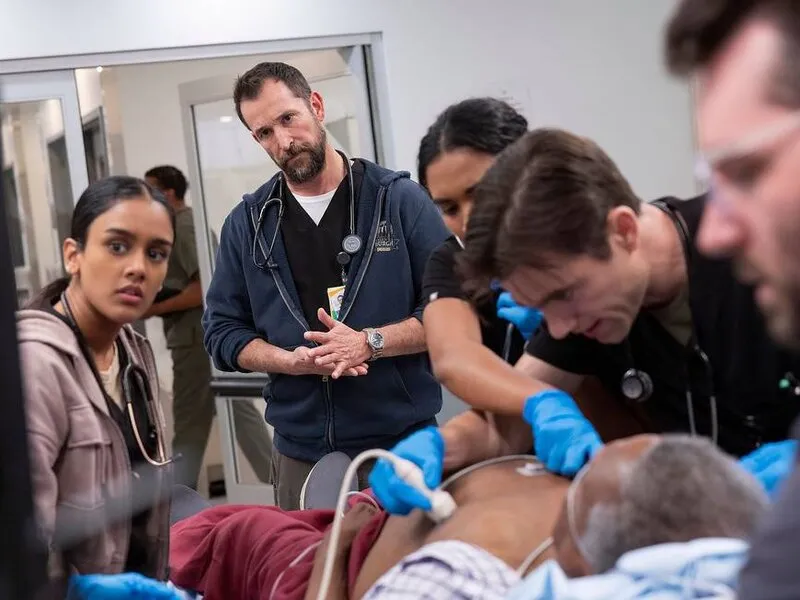
If you've watched The Pitt, you know it's not your typical glossy medical drama. There are no dramatic love triangles in the breakroom or miraculous last-second saves soundtracked by indie pop. Instead, the show gives us something far more uncomfortable and real: an unflinching, hour-by-hour look at a healthcare system running on empty.
What makes the show so painful to watch is the structural friction. It's the constant, grinding noise of bad logistics, missing updates, and isolated care teams trying to fight systemic fires with paper-thin resources. For many healthcare professionals, the pressures portrayed in The Pitt may feel uncomfortably familiar.
While television dramatizes these moments for storytelling, healthcare operations leaders know that technology cannot solve staffing shortages, bed-capacity constraints, or workplace safety issues on its own. It can, however, give healthcare teams faster access to updates, clearer escalation paths, and more reliable handoffs.
Here are 3 systemic challenges highlighted in The Pitt, and how modern workplace communication tools can help care teams navigate them.
1. ED Boarding and Information Bottlenecks
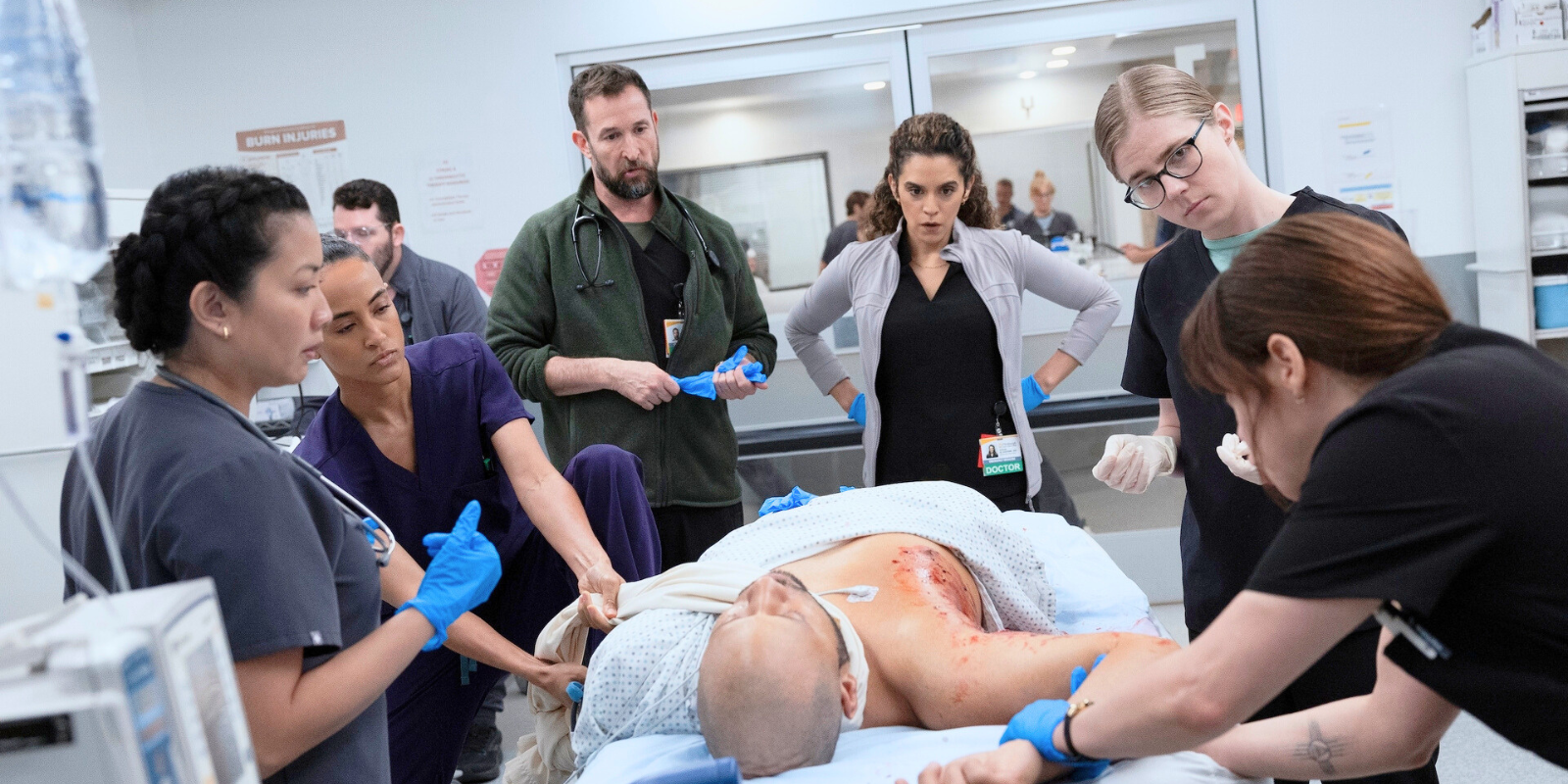
In The Pitt, the hallway becomes an overflow area. Emergency Department (ED) boarding, where admitted patients remain in the ED because inpatient beds are unavailable, is portrayed in all its chaotic reality. Care teams struggle to maintain clear visibility over who has been evaluated, which lab results are pending, and whose condition may be subtly changing in a crowded corridor.
Where tech helps: ED boarding is primarily a hospital-capacity problem, but fragmented information can make an already difficult situation more dangerous. When teams lack a shared view of patient status, pending results, and bed availability, delays become harder to manage.
Modern healthcare communication platforms help mitigate these bottlenecks by providing a shared communication layer across units:
- Automated status updates. Shift team members receive real-time notifications when bed availability changes or critical lab results arrive, keeping incoming and outgoing teams aligned.
- Quick, secure updates. Nurses can share concise status notes directly within secure team channels, without hunting someone down in person.
2. Workplace Safety and Escalation Protocols
One of the most intense elements of The Pitt is its depiction of safety threats. Aggression from stressed visitors or volatile situations in the waiting room are shown as ongoing operational risks. The show highlights how quickly a situation can escalate, and the challenges staff face when trying to summon immediate support.
Where tech helps: Technology cannot eliminate workplace violence. But streamlined communication tools play a real role in response time and situational awareness.
- Staff can trigger silent assistance alerts from mobile devices, notifying security and nearby team members of an escalating situation without aggravating a patient or visitor.
- Charge nurses and administrators can send immediate priority notifications to designated units to clear hallways or coordinate a response discreetly.
Related reading: Effective stress-relief and coping techniques for healthcare employees working in high-pressure environments.
3. Handoff Disconnects and Clinician Strain
The Pitt captures the psychological weight clinicians feel when administrative friction interferes with patient care. A frequent source of stress is fragmented team communication during shift changes: a key detail omitted during a rushed conversation, a delay reaching an on-call physician, or time wasted tracking down contact details for covering staff.
Where tech helps: Communication breakdowns can contribute to delayed care, duplicated work, and preventable safety risks. Streamlining team communication into secure, central channels helps reduce daily friction and cut down on common communication barriers in the healthcare workplace.
- Role-based routing. Instead of searching for individual phone numbers, staff can direct messages to roles like @OnCallCardiology or @Unit3ChargeNurse, so messages reach whoever's actually on duty.
- Structured digital handoffs. Standardized templates and searchable shift updates let teams document patient priorities, outstanding tasks, and escalation needs, without relying entirely on memory or a rushed verbal exchange.
Supporting Caregivers Behind the System
The Pitt succeeds because it reminds us that healthcare professionals are dedicated individuals working within complex systems. Software can't build new hospital wings or conjure new staff overnight. But it can fix the daily communication friction that makes tough shifts even harder.
See How HosTalky Helps