

What Are Pagers and How Do They Work in Healthcare?
You're with a patient when your pager buzzes. It shows a callback number and nothing else. You step out, find a phone, dial, and wait, only to learn it was a routine question that could have waited. Then it happens again.
Pagers are still a fixture in many hospitals, even though almost every clinician carries a smartphone. This guide explains how pagers work, why hospitals still rely on them, where they fall short, and what hospitals are using alongside them or instead of them.
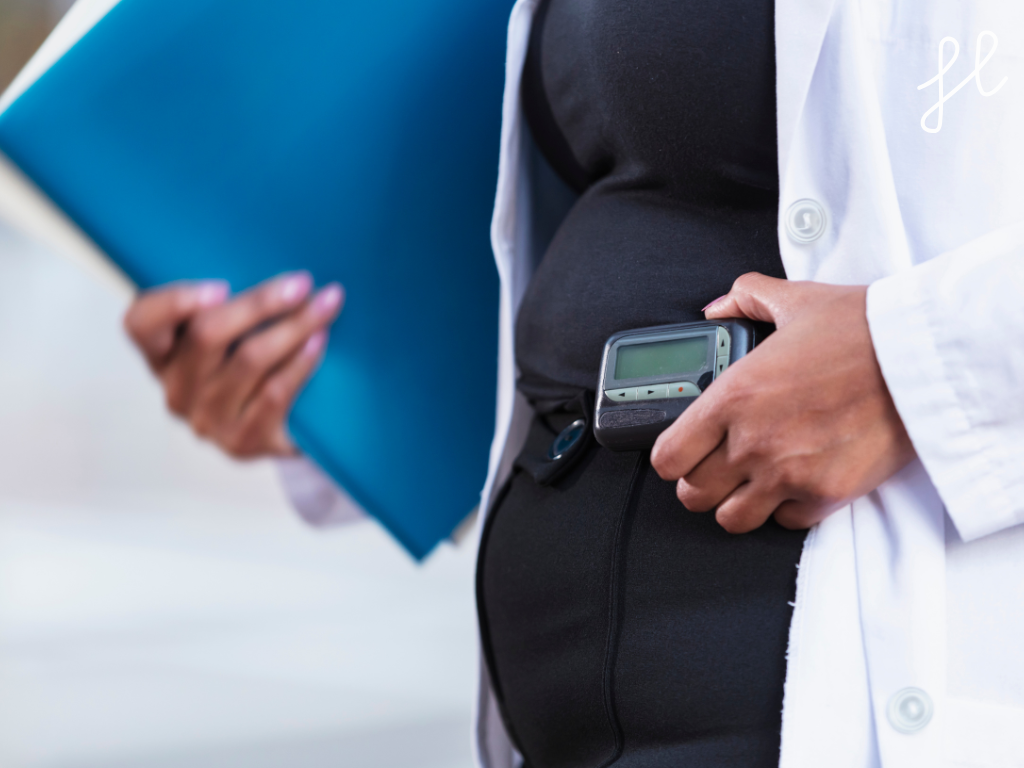
A pager is a small radio receiver that displays short alerts, usually a callback number or brief text, sent over a dedicated paging network. Hospitals still use pagers because they're simple, have long battery life, and often reach places where cell and Wi-Fi signals are weak. Their main drawbacks are that most can't send replies or confirm a message was read, they give little context, and many transmit messages unencrypted.
How do pagers work?
Most hospital pagers are one-way receivers. Here's how a page travels:
- 1 Someone sends a page By dialing a paging number, using a hospital operator, or using a web or software console.
- 2 A paging terminal converts it The message, a callback number or short text, becomes a radio signal.
- 3 Transmitters broadcast it Over dedicated paging frequencies, separate from cellular and Wi-Fi networks.
- 4 The right pager alerts Every pager listens for its own address, then alerts the user and displays the message.
Paging can run through either:
Some systems also support two-way or encrypted paging, but basic one-way pagers are more common.
Why do pagers last so long on one battery?
A one-way pager only listens for signals and never transmits, so it uses very little power. That's why pagers typically run far longer between battery changes than a smartphone does between charges.
Why do hospitals still use pagers?
In a 2017 national survey of 620 hospital-based clinicians, 79.8% said their hospital provided them with a pager, and 49% said the pager was the main way they received patient care messages. Only 7.3% said their organization had implemented a secure messaging app that most clinicians were using.
Hospitals keep pagers for several practical reasons:
- Coverage inside the building. Hospitals have thick concrete, shielded imaging rooms, basements, and elevator shafts where cell and Wi-Fi signals can drop. Paging networks often reach these areas more reliably.
- Independence from cell networks. Cell networks can fail or become congested during disasters. When Hurricane Sandy hit in 2012, roughly one in four cell towers in the storm's path went out of service. A separate paging network gives hospitals a backup channel.
- Simplicity. There are no logins, app updates, or touchscreens to navigate with gloved hands.
- Cost and infrastructure. Replacing paging requires reliable Wi-Fi throughout the building, devices, a secure messaging platform, IT support around the clock, and staff training.
Worth being precise about: pager networks aren't immune to failure. A paging antenna can be damaged in a storm just like a cell tower. The real advantage is having more than one independent channel, not having a pager specifically.
Also read: Pros and Cons of Hospital Pagers
What are the drawbacks of pagers in hospitals?
How often are clinicians paged?
- Brigham and Women's Hospital. In one study, internal medicine residents were paged an average of 22.4 times per day, with up to 50 pages in a single day. 59% of pages required a response. Teams whose patients were spread across many units received far more pages than geographically based teams (37 vs. 19 per day).
- NewYork-Presbyterian/Weill Cornell. Interns received 2.2 to 3.9 pages per hour, depending on how their teams were organized. Interns on scattered teams could be interrupted about every 12 minutes.
Why does one-way paging create phone tag?
Most pagers can't reply. The recipient has to stop what they're doing, find a phone, and call back. If the sender has moved on, the cycle repeats. The sender also can't tell whether the page was received or read, so they don't know when to escalate.
Why is the lack of context a problem?
A callback number doesn't say whether the page is about a deteriorating patient or a routine question. Clinicians have to guess priority, which can delay urgent issues and add interruptions for non-urgent ones.
Are pager messages secure?
Often not. Many pager networks transmit messages unencrypted, so they can be picked up with inexpensive radio equipment:
- U.S. and Canada. Trend Micro researchers monitored 53.9 million unencrypted pager messages over four months in 2015. More than 2 million came from hospitals or medical facilities, and some included patient names and treatment details. The researchers also showed that messages could be spoofed.
- U.K. In 2019, TechCrunch reported that unencrypted NHS pager messages were being intercepted and broadcast online.
Encrypted paging services exist, but many hospitals don't use them. Whatever system you use, avoid sending identifiable patient information over an unencrypted pager.
How do pagers compare with secure messaging?
| Feature | Traditional one-way pager | Secure messaging app |
|---|---|---|
| Network | Dedicated paging network | Hospital Wi-Fi or cellular data |
| Coverage in difficult areas | Often strong | Depends on the hospital's Wi-Fi and cell coverage |
| Replies | No (call back by phone) | Yes, two-way text, and often voice and images |
| Read or delivery confirmation | No | Usually yes |
| Context | Callback number or short text | Full message, patient context, attachments |
| Encryption | Often none | Typically encrypted |
| Battery life | Very long | Daily charging |
| Dependency | Paging network and transmitters | Wi-Fi or cellular, devices, IT support |
Does switching to secure messaging improve care?
The evidence is promising. In a University of Pennsylvania study, hospital floors that introduced secure text messaging saw patients' length of stay fall by about 14% relative to a control hospital that kept paging, with no increase in 30-day readmissions. That was an observational study at two hospitals.
Secure messaging also comes with its own risks. Without clear norms, it can create a new stream of interruptions, so the same rules about urgency apply.
Can clinicians text orders?
Yes, under specific conditions. In 2024, both the Centers for Medicare & Medicaid Services (CMS) and The Joint Commission updated their positions to allow patient information and orders to be texted through a secure texting platform. Computerized provider order entry (CPOE) remains the preferred method, and texted orders must be dated, timed, authenticated, and promptly captured in the medical record.
How can hospitals reduce pager problems?
Hospitals don't have to choose between keeping pagers and replacing them overnight. Practical steps include:
- Set urgency rules. Define what justifies an immediate page and what can wait or go through another channel.
- Add context to pages where your system allows text, without including identifiable patient information on unencrypted networks.
- Use a hybrid model. Many hospitals keep pagers for codes and rapid response alerts, and use secure messaging for routine coordination.
- Organize teams geographically where possible. In both studies above, localized teams received far fewer pages.
- Plan the transition carefully. Confirm Wi-Fi coverage, device policies, and round-the-clock IT support before moving routine communication off pagers.
Also read: Guide to HIPAA Texting Policy Template for Healthcare Providers
Where does HosTalky fit?
HosTalky is a healthcare communication platform that lets clinicians message colleagues directly and share information in real time, instead of paging and waiting for a callback. It's designed for the routine coordination that clogs pagers, not as a replacement for code and emergency alert systems.
Also read: 5 Communication Barriers in the Healthcare Workplace
Stop chasing callbacks for routine questions.
Message the right colleague directly and share updates in one place with HosTalky, and keep your pager for the alerts that truly need it.
Get HosTalkyKey Takeaways
- Most hospital pagers are one-way radio receivers that run on a dedicated network, separate from cell and Wi-Fi.
- In a 2017 survey, 79.8% of hospital-based clinicians said their hospital provided a pager.
- Residents in one study were paged 22.4 times a day on average, and up to 50.
- Many pager networks transmit messages unencrypted, so avoid sending identifiable patient information on them.
- Since 2024, CMS and The Joint Commission allow orders to be texted through secure platforms, with CPOE still preferred.
FAQs
Are pagers more secure than smartphones for patient information?
Not necessarily. Many pager networks transmit messages unencrypted, and researchers have intercepted millions of pager messages, including hospital messages with patient details. Secure messaging apps typically encrypt messages, but security still depends on how the app is configured and used.
Why don't hospitals just replace all pagers with smartphones?
Replacing pagers requires reliable Wi-Fi throughout the building, devices or a bring-your-own-device policy, a secure messaging platform, staff training, and IT support around the clock. Many hospitals take a hybrid approach during the transition.
Do pagers work better than cell phones in emergencies?
Paging networks are separate from cellular networks, so they can keep working when cell service is congested or down. But paging networks can also fail. Hospitals are safest with more than one independent way to reach staff.
How often do hospital clinicians get paged?
It varies by role and setting. In one academic medical center, internal medicine residents were paged an average of 22.4 times per day, and up to 50.
Can doctors text orders instead of paging?
Yes, if the hospital uses a secure texting platform that meets CMS and Joint Commission requirements. CPOE is still preferred, and texted orders must be dated, timed, authenticated, and captured in the medical record.
Are two-way pagers available?
Yes. Two-way and encrypted paging systems exist, but many hospitals still use basic one-way pagers.
Disclaimer: This article is for educational purposes only and does not constitute medical, legal, or professional advice. Healthcare communication systems should be evaluated and implemented with qualified IT professionals and clinical leadership, in compliance with HIPAA and institutional policies.
Resources
▾