

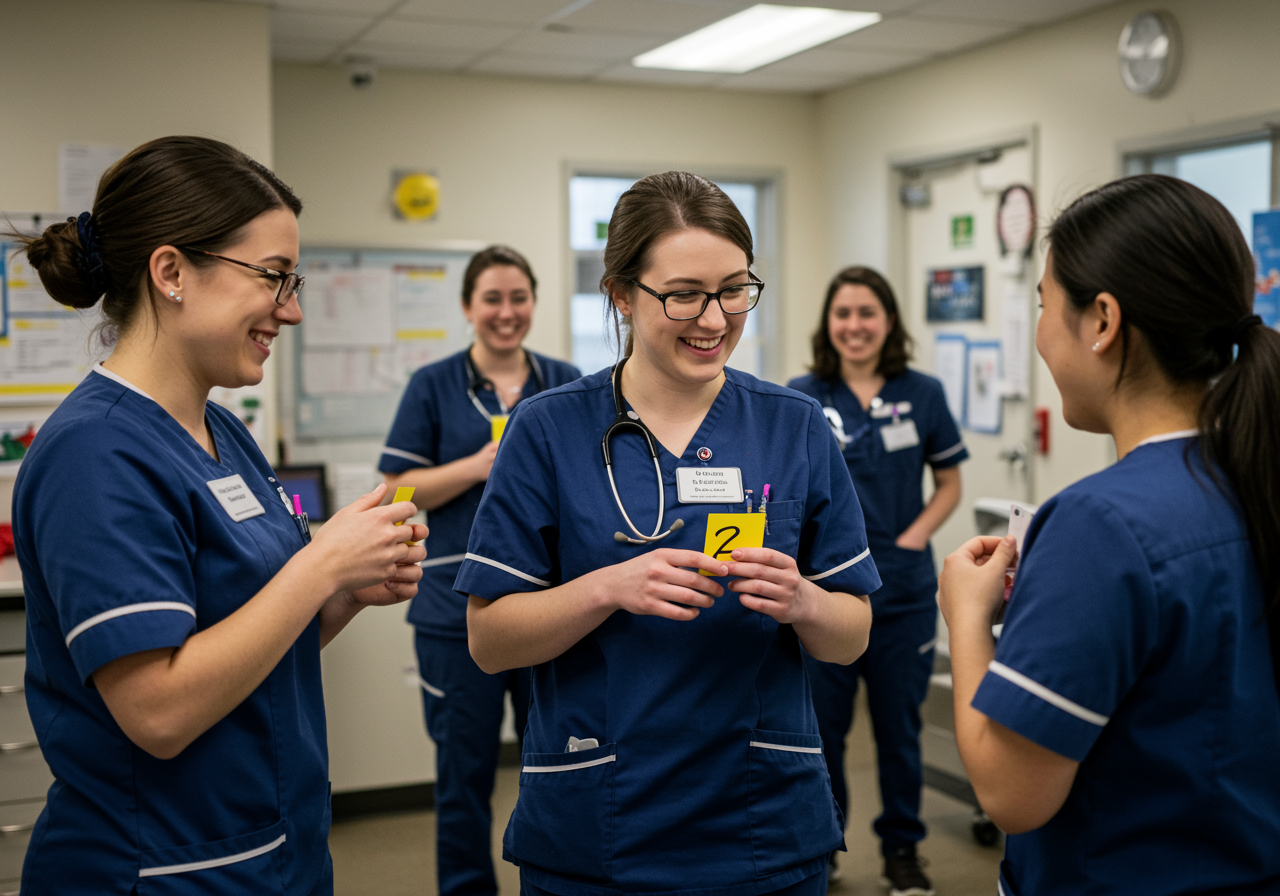
Fun Activities to Boost Hospital Staff Morale and Reduce Burnout
Healthcare worker burnout is a patient safety issue as much as a staff wellbeing issue. This guide covers 10 evidence-based activities to boost hospital staff morale, the psychology behind why they work, a real-world case study from Cleveland Clinic, and a practical step-by-step implementation framework for healthcare administrators.
Research shows that incorporating creative, social, and wellness-focused activities into hospital life can significantly reduce staff burnout and improve team morale. With healthcare worker burnout reaching alarming rates, effective morale-boosting initiatives are very important.
In this article, we'll explore the psychology of staff morale, the nature of burnout, and offer practical, evidence-based activities ranging from quick moments of joy to larger team-building events.
Understanding Burnout in Healthcare Settings
Burnout among healthcare professionals is defined by emotional exhaustion, depersonalization, and a reduced sense of accomplishment. Emotional exhaustion reflects the depletion of energy caused by high-stress patient care demands.
Depersonalization manifests as a detached or cynical attitude toward patients and colleagues, negatively affecting compassion and teamwork. With modern healthcare's fast pace, staffing shortages, and administrative burdens, burnout has become a significant public health issue, impacting patient safety, care quality, and organizational costs.
Research links burnout not only to staff well-being but also to impaired performance, increased medical errors, and absenteeism. As clinicians experience chronic stress without adequate support, their ability to engage with patients empathetically declines. High burnout rates also correlate with increased turnover, higher recruitment costs, and lower productivity.
One effective way to combat burnout is by incorporating purposeful fun into the workday, which promotes positive emotions, social bonds, and psychological resilience.
Related: What is Burnout Theory in Healthcare?The Role of Morale in Healthcare Teams
Staff morale represents the collective attitudes, satisfaction, and emotional connections that bind a team together. High morale leads to increased motivation, commitment, and collaboration, directly improving patient care.
In contrast, low morale results in disengagement, communication breakdowns, and workplace conflict, compromising both staff safety and clinical effectiveness.
Research in positive psychology and social identity theory suggests that shared positive experiences, such as moments of joy and appreciation, strengthen group identity and promote a sense of belonging especially in healthcare.
Evidence-Based Wellness and Mindfulness Programs
Mindfulness-Based Stress Reduction (MBSR)
Mindfulness meditation is one of the most effective interventions for reducing healthcare worker stress and burnout. Studies have shown that mindfulness-based practices reduce stress, improve all aspects of burnout, and increase self-compassion among healthcare workers.
For example, a program for neurosurgeons showed significant reductions in stress and emotional exhaustion. Brief mindfulness programs are especially beneficial for busy schedules, offering techniques like guided breathing and body scans that can be practiced during shifts.
Top Fun Activities to Boost Morale and Reduce Burnout

Themed Dress-Up Days
Encourage staff to participate in themed dress-up days such as Superhero Day, Pajama Day, Crazy Hat Day, and Decade Throwback Day. These light-hearted events foster camaraderie and provide a break from routine.
Wellness Challenges
Organize monthly wellness challenges that promote healthy habits:
- Step-count competitions
- Hydration challenges
- Meditation streaks
- Healthy recipe swaps
Use apps like MyFitnessPal or Strava to track progress and reward participation.
On-Site Massage and Relaxation Rooms
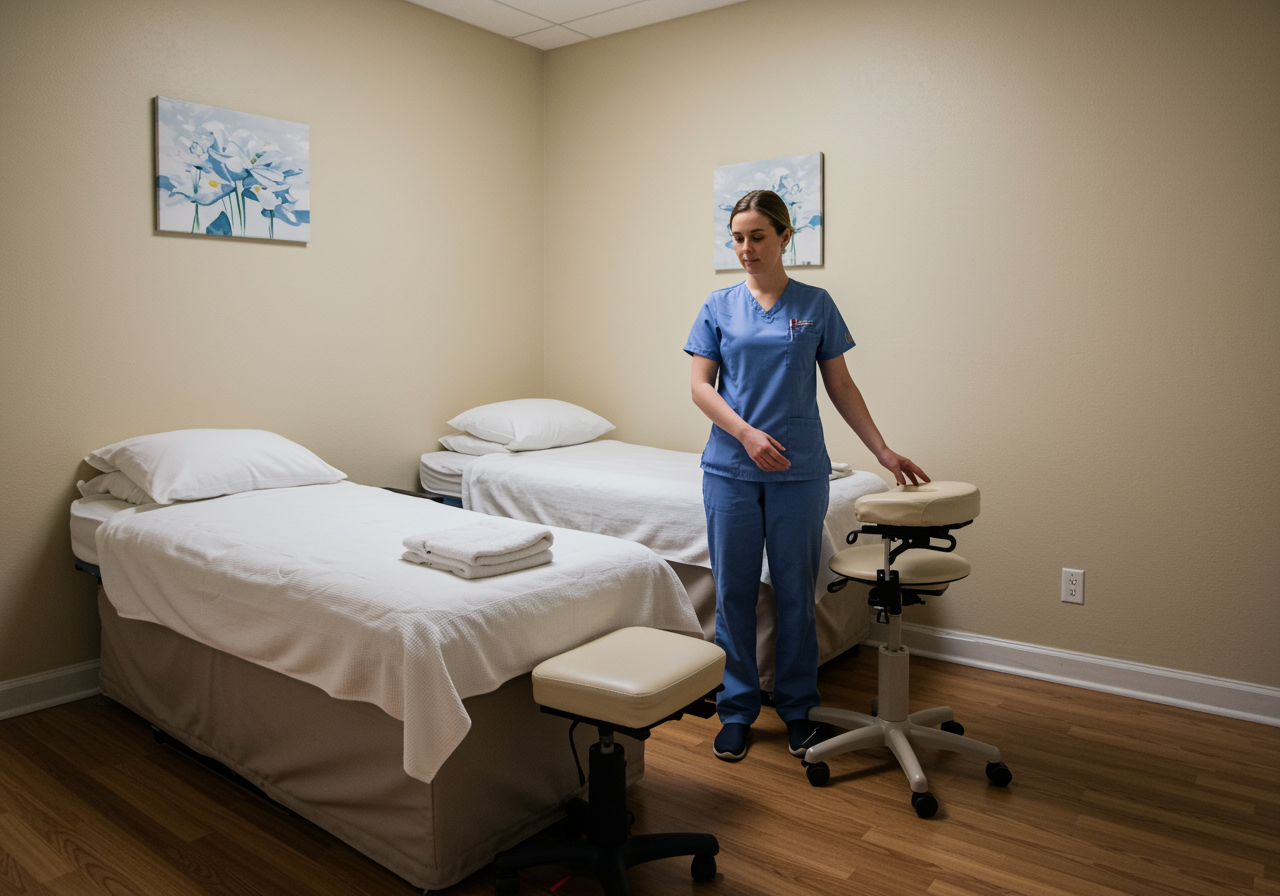
Create a designated space for relaxation with massage chairs, aromatherapy, soft lighting and calming music, and guided meditation sessions. Partner with local massage therapists or wellness practitioners to offer on-site services during shifts.
Recognition and Appreciation Programs
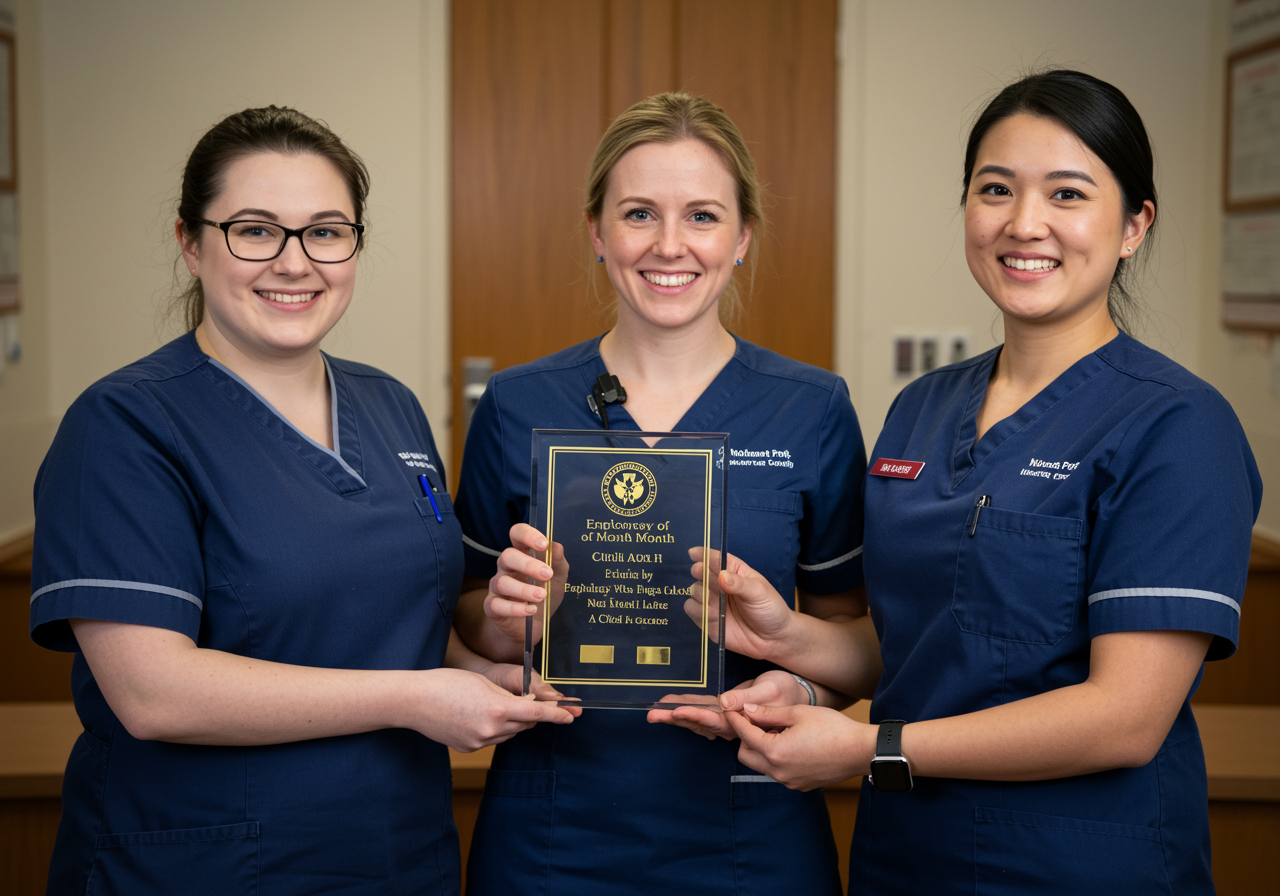
Recognition programs, such as "Employee of the Month" awards or peer-nomination systems, help reduce stress and increase morale. Peer support systems let staff talk with trained colleagues who understand the job. Structured programs ensure there's always someone to listen or help.
Programs like Emory's EmBRACE (Building Resilience and Compassion Enculturation) provide an online platform where staff can access peer support tailored to their specialty.
Implement regular recognition initiatives:
- "Employee of the Month" awards
- Peer-to-peer shoutouts
- Thank-you boards in break rooms
- Personalized thank-you notes from leadership
Use platforms like Bonusly or Kudos to streamline recognition efforts.
Creative Art Therapy Sessions
Host sessions that allow staff to express themselves creatively. Simple arts-and-crafts stations, where staff can engage during off-peak hours, promote informal interactions and creative problem-solving. The Colorado Resiliency Arts Lab (CORAL) uses art therapy to restore healthcare professionals' sense of purpose.
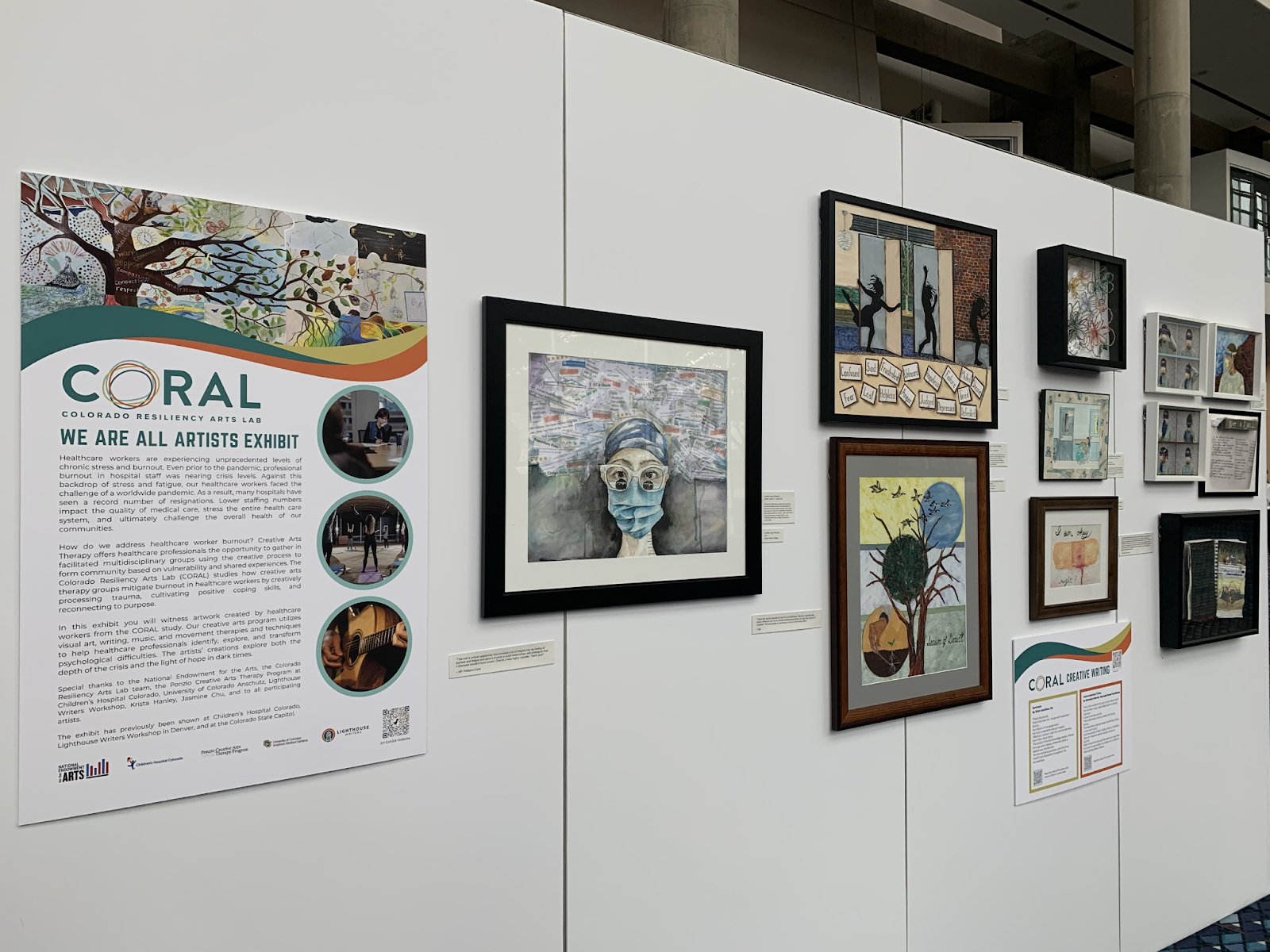
Music therapy, including environmental music and live performances, has been shown to reduce pain and anxiety. Art-based activities like "Crafternoons" offer staff the chance to engage in creative expression while taking a mental break from their clinical responsibilities. Art-making also helps break down hierarchies, with physicians and nurses working side-by-side.
Less documentation time means more time for the activities that restore your team
Administrative burden is one of the top contributors to healthcare burnout. HosTalky's AI Scribe turns clinical conversations into structured notes in seconds, giving your team back the time and headspace to actually engage in the wellbeing initiatives that matter.
See how AI Scribe worksGame Nights and Trivia Contests
Organize after-hours or lunchtime game events including hospital-themed trivia, board game tournaments, escape room challenges, and bingo with prizes. Use platforms like Kahoot! for interactive trivia sessions.
Pet Therapy Visits
Invite certified therapy animals to visit staff lounges or patient floors. Interacting with animals has been shown to lower blood pressure, reduce anxiety, and increase oxytocin levels. Coordinate with organizations like Pet Partners for safe and effective visits.
Team-Building Retreats and Workshops
Structured games provide opportunities for collaboration, creativity, and friendly competition. Activities like scavenger hunts, trivia nights, or Minute-to-Win-It challenges can engage staff across departments, and foster teamwork while breaking the monotony of the workday.
Plan off-site or on-site retreats that focus on team dynamics, leadership development, conflict resolution, and stress management.
Related: What is Interprofessional Collaboration in Healthcare?Pop-Up Cafés and Food Trucks
Surprise staff with gourmet coffee carts, smoothie bars, ice cream trucks, and international cuisine pop-ups. Partner with local vendors to bring variety and excitement to meal breaks.
Humor Therapy and Laughter Yoga
Laughter is a powerful stress reliever. Framing these activities as fun rather than obligatory lowers psychological barriers and encourages participation. Organize sessions that include stand-up comedy performances, improv workshops, and laughter yoga classes. These activities can lighten the mood and build emotional resilience.
Flexible Scheduling and Work-Life Balance
Flexible scheduling is one of the most effective interventions for improving healthcare worker satisfaction and retention. According to a McKinsey & Company survey, 86% of nurses consider flexibility a crucial factor in retention.
Flexible scheduling allows staff to choose shifts that accommodate their personal needs while ensuring proper staffing levels. Research shows that flexible scheduling increases staff engagement and reduces stress and burnout by 55%.
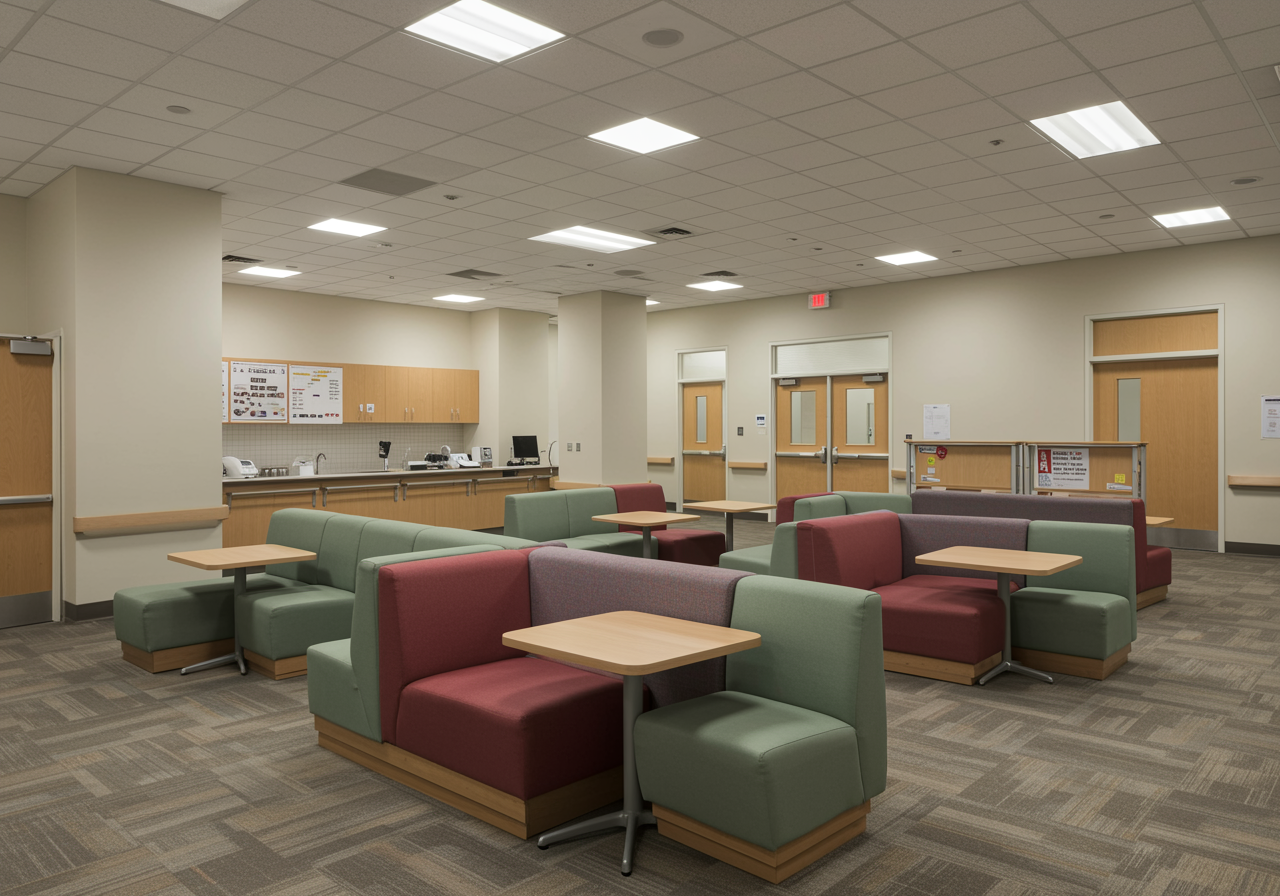
Providing enhanced break rooms and quiet spaces for relaxation during shifts supports staff mental well-being; comfortable environments with plants, calming artwork, and snacks help employees recharge. Quiet areas for mindfulness practices or brief mental health breaks provide staff with essential self-care opportunities during busy shifts.
Related: Streamlining Communication in Healthcare for Busy NursesHow to Implement These Activities Effectively
Assess Staff Needs
- Conduct anonymous surveys
- Host focus groups
- Identify pain points and preferences
Create a Morale Committee
- Include representatives from various departments
- Rotate leadership to maintain fresh ideas
Set a Budget
- Allocate funds for monthly or quarterly activities
- Seek sponsorships or donations when possible
Communicate Clearly
- Use newsletters, posters, and internal emails
- Highlight upcoming events and participation benefits
Measure Impact
- Track participation rates
- Collect feedback
- Adjust activities based on what works
Tools and Resources for Planning
Case Study: Cleveland Clinic
Cleveland Clinic implemented a "Code Lavender" program, offering emotional support, massages, and spiritual care to staff during crises.
What is Code Lavender?
- Rapid emotional support response: Anyone in the hospital can activate a Code Lavender (staff, patients, or family) when overwhelmed by stress, grief, or traumatic events.
- Timely arrival: A team comprising chaplains, holistic nurses, social workers, counselors, and art/music therapists arrives on-site within 30 minutes to provide immediate support.
- Holistic care tools include quiet space and physical presence, debriefing discussions, complementary therapies (Reiki, acupressure, aromatherapy, massage), mindfulness and meditation, and mandala coloring, snacks, and tea.
How it Works in Practice
- Activation: Triggered after a stressful patient event such as unexpected death or code blue, or when staff feel emotionally burned out.
- Immediate response: Team arrives within 30 minutes to provide space for staff to pause, breathe, and reflect.
- Structured debriefs: Includes facilitated sharing and structured check-ins guided by prompts like "How are you feeling?" and "What help do you need now?" closing with self-care tools.
- Follow-up support: Healing services staff conduct rounding, feedback sessions, and offer follow-up resources days later , including therapy, further debriefing, or wellness offerings.
The Code Lavender Program helps reduce acute stress and stabilizes emotional equilibrium during crisis. While not a cure for chronic burnout, it functions as psychological first aid that signals institutional respect for emotional health, encourages self-care, and fights the stigma that seeking support is "weak."
Staff feedback highlights feeling "appreciated and valued," strengthened interdepartmental connections, and greater openness around mental well-being. Many other health systems including Stony Brook Medicine and M Health Fairview have modeled their own programs after Cleveland Clinic.
Tips for Sustaining Long-Term Engagement
01What are the most cost-effective morale-boosting activities for hospital staff?
02How can we encourage participation from all departments?
03Are morale-boosting activities suitable for high-stress environments like the ICU?
04Can fun activities really reduce burnout?
05How often should hospitals organize morale-boosting activities?
Final Thoughts
In a field where compassion, precision, and endurance are demanded daily, hospital staff deserve environments that nurture their well-being. Integrating fun, meaningful activities into the healthcare setting can foster a culture of joy, resilience, and connection. These morale-boosting strategies not only reduce burnout but also enhance the overall quality of care delivered to patients.
Investing in your people is investing in your mission.