

The Role of Artificial Intelligence in Medical Diagnostics
In 2026, the question isn't "can AI detect this," it's "how fast can AI help us act on it." AI has moved from an experimental tool to a core part of modern medical diagnostics, combining imaging, genomics, and real-time vitals to spot problems faster than traditional methods alone.
What Is AI in Medical Diagnostics?
AI in medical diagnostics means using machine learning, deep learning, and related technologies to analyze medical data and help clinicians diagnose disease. These systems process huge amounts of information, from scans to genetic data, faster than manual review alone.
The Core Technologies
- Machine Learning: algorithms that improve as they process more data
- Deep Learning: neural networks that find patterns in unstructured data, like images
- Natural Language Processing: lets machines read and interpret medical text and patient records
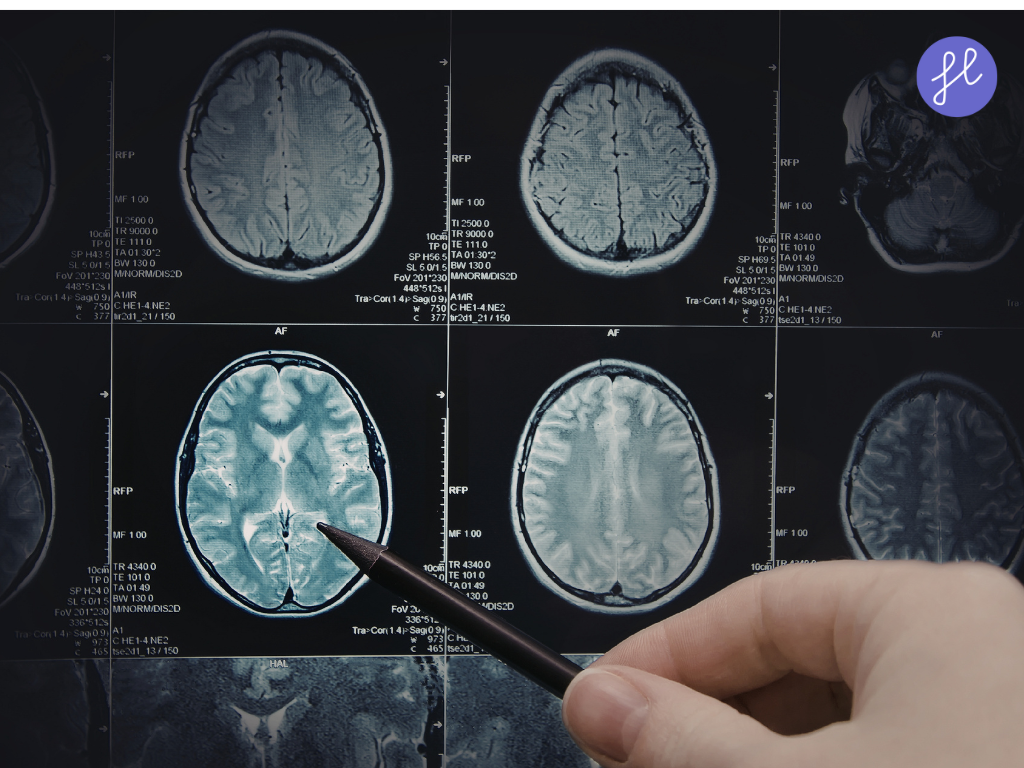
- Computer Vision: interprets visual data like X-rays, MRIs, and CT scans
5 Real Ways AI Is Used in Diagnostics
1. Medical Imaging Analysis
AI, particularly Convolutional Neural Networks (CNNs), is now standard for first-pass imaging screenings.
- Radiology: AI turns image pixels into measurable data points (tumor texture, shape, volume), sometimes reducing the need for a physical biopsy
- Mammography: tools like Google's MedGemma can flag high-risk scans for faster radiologist review
- Ophthalmology: portable retinal cameras with on-device AI give instant referral decisions for diabetic retinopathy, useful in areas without easy specialist access
2. Pathology and Histology
Whole Slide Imaging (WSI) is replacing traditional glass slides. AI helps standardize tumor grading, so the result is more consistent regardless of which lab processes the sample. Some systems can classify brain tumor grades in well under 3 minutes during active surgery.
3. Genomic Data Interpretation
AI tools can process large-scale genomic data to flag mutations and estimate disease risk, including rare mutations without prior clinical documentation, and help match a patient's genetic profile to the immunotherapy drugs most likely to work.
4. Predictive Diagnostics
Machine learning models can forecast disease progression, readmission risk, and complications using patient history and real-time data.
Sepsis and ICU prediction: models monitoring real-time hospital data (ECG, blood pressure, oxygen) can flag sepsis or cardiac arrest risk hours in advance in some studies, giving nurses a real window to intervene. Exact lead time varies by study and setting, treat any specific number as context-dependent, not universal.
5. Clinical Decision Support
AI-powered Clinical Decision Support Systems (CDSS) suggest diagnoses, recommend tests, and flag issues. They're particularly useful for rare conditions ("zebras"), where a patient's symptoms are spread across specialists who might not connect the full picture alone.
What This Actually Changes
| Benefit | What It Actually Means |
|---|---|
| Enhanced accuracy | A consistent "second set of eyes" that doesn't fatigue over a long shift |
| Faster throughput | Flags critical findings (like a brain bleed) the moment an image is captured |
| Cost efficiency | Earlier intervention reduces expensive ICU stays and readmissions |
| Personalized medicine | Genomic matching helps avoid ineffective or harmful drug choices |
| Wider access | Brings specialist-level screening to areas without specialists on-site |
Correction worth flagging directly: a commonly repeated claim is that AI documentation tools like AI Scribe recover "20 hours of clinician time per week." Real, large-scale research doesn't support this. The largest study to date, covering over 1,800 clinicians across 5 academic medical centers, found AI scribes saved about 16 minutes of documentation time per 8-hour shift, roughly 1-2 hours per week, not 20. That's still a meaningful, real benefit at scale, just a much smaller one than the commonly repeated figure. See our full breakdown in What AI Can (And Can't) Do for Healthcare Communication.
The Rise of Agentic AI
The newest development in 2026 is Agentic AI, systems that don't just flag a problem but coordinate the follow-up:
- Identify: flags a suspicious finding, like a shadow on a lung scan
- Orchestrate: checks schedules and suggests a follow-up appointment
- Brief: prepares a clinical summary highlighting exactly what was found
- Follow-up: makes sure the patient is contacted so nothing falls through the cracks
Real-World Applications Worth Knowing
- Liquid biopsies: newer blood tests can screen for many cancer types from a single draw, often catching disease at an earlier, more treatable stage
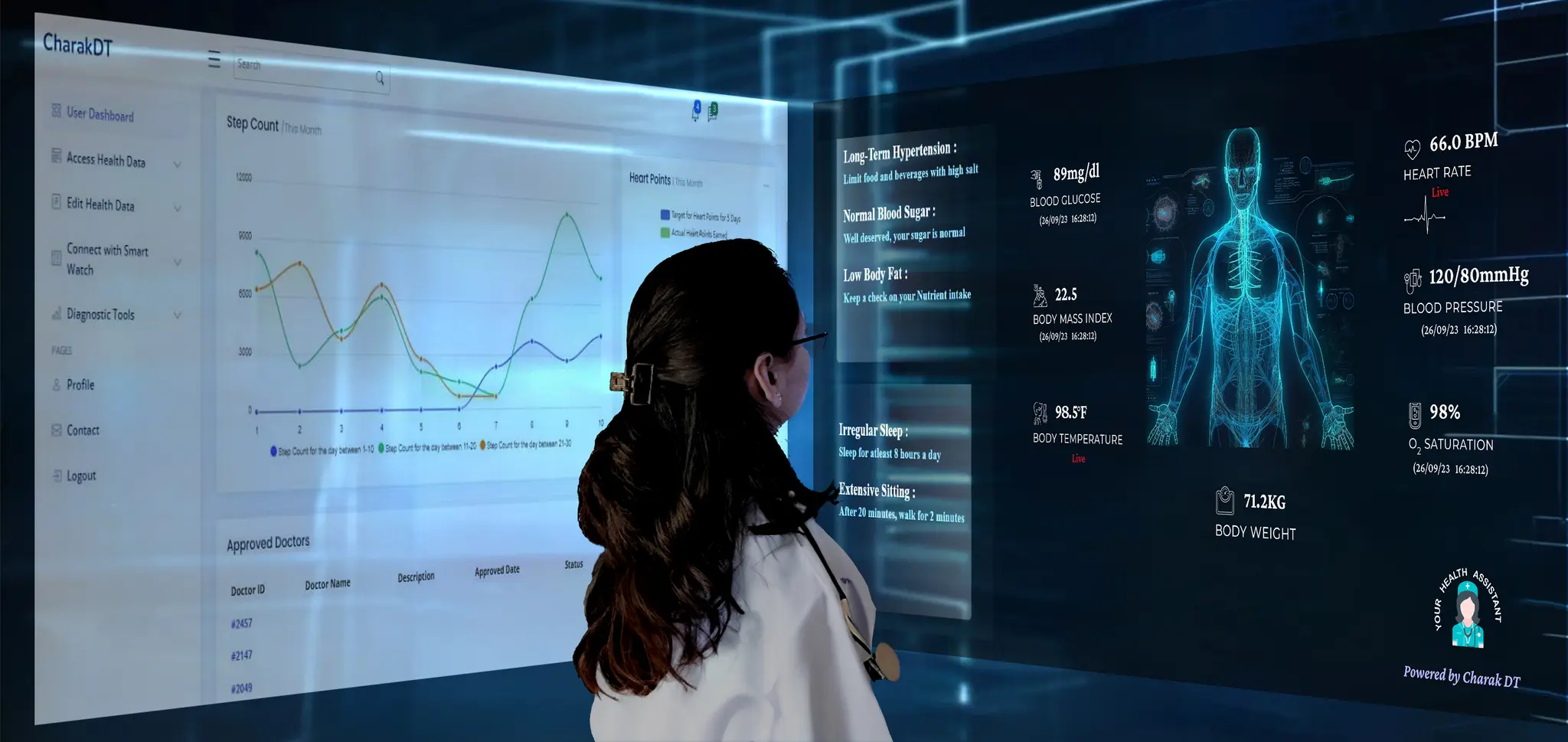
- Digital twins: virtual models of a patient's organs let clinicians test how a treatment might respond before using it on the real patient (see IIT Indore's Charak DT platform as one real example)
- Cardiovascular disease: AI analyzes ECG and imaging data to detect arrhythmias and predict heart attack risk
- Neurological disorders: AI supports diagnosis of Alzheimer's, Parkinson's, and MS through brain imaging and cognitive data analysis
Every Note Complete, In Real Time
Talk to your patient. AI Scribe writes the note, honestly and accurately, no invented time-savings claims.
Try It FreeChallenges and Limitations
- Data quality and bias: AI is only as good as the data it's trained on
- Regulatory hurdles: tools must clear FDA and EMA requirements before clinical deployment
- Cybersecurity: cloud-based diagnostic data makes healthcare facilities a real target for attackers
- Legacy system integration: many hospitals struggle to connect new AI tools to existing EHRs
- Human-in-the-loop requirement: current regulation treats AI as a co-pilot, not the decision-maker, a human clinician must sign off on any life-altering diagnosis
For more on how AI fits into daily clinical communication specifically, see What AI Can (And Can't) Do for Healthcare Communication and Documentation Burden: The Hidden Driver of Clinician Burnout.
What's Next
- Lab-on-a-chip: complex diagnostic tests from a single blood drop and a smartphone attachment, already in pilot phases
- Explainable AI: systems that show their reasoning, not just their conclusion
- Federated learning: AI models that learn across hospitals without centralizing sensitive patient data
The Bottom Line
AI in medical diagnostics is genuinely changing care, earlier detection, more personalized treatment, wider specialist-level access. But not every claim about it holds up under scrutiny. The technology is real and useful; the specific numbers attached to it deserve the same scrutiny you'd apply to any other clinical claim.
FAQs
How accurate is AI in diagnosing diseases?
AI can match or surpass human experts in certain conditions, especially in medical imaging and pathology. It's most effective as a support tool alongside clinical judgment, not a replacement for it. Specific accuracy figures vary widely by tool and condition, always check the source study before citing a specific percentage.
Is AI replacing doctors?
No. Current regulations treat AI as a co-pilot, not the decision-maker. A human clinician must provide final sign-off on any life-altering diagnosis. AI assists by processing data faster and flagging patterns, but the clinical judgment stays human.
How much clinician time does AI documentation actually save?
Less than commonly claimed. The largest, most rigorous studies (covering 1,800+ clinicians across 5 academic medical centers) found AI scribes save about 16 minutes of documentation time per 8-hour shift, roughly 1-2 hours per week, not the 20+ hours sometimes claimed in marketing materials. Real time savings are meaningful at scale but far more modest than headline figures suggest.
Are AI diagnostic tools FDA-approved?
Yes, several AI tools have received FDA approval, including tools for radiology, ophthalmology, and pathology. Approval is granted per specific tool and use case, not as a blanket category, so any given AI product should be checked individually.
What is Agentic AI in medical diagnostics?
Agentic AI goes beyond flagging a problem, it coordinates the follow-up. It identifies a finding (like a suspicious shadow on a scan), orchestrates next steps by checking schedules and suggesting a follow-up appointment, briefs the specialist with a clinical summary, and follows up to confirm the patient is contacted so nothing falls through the cracks.