

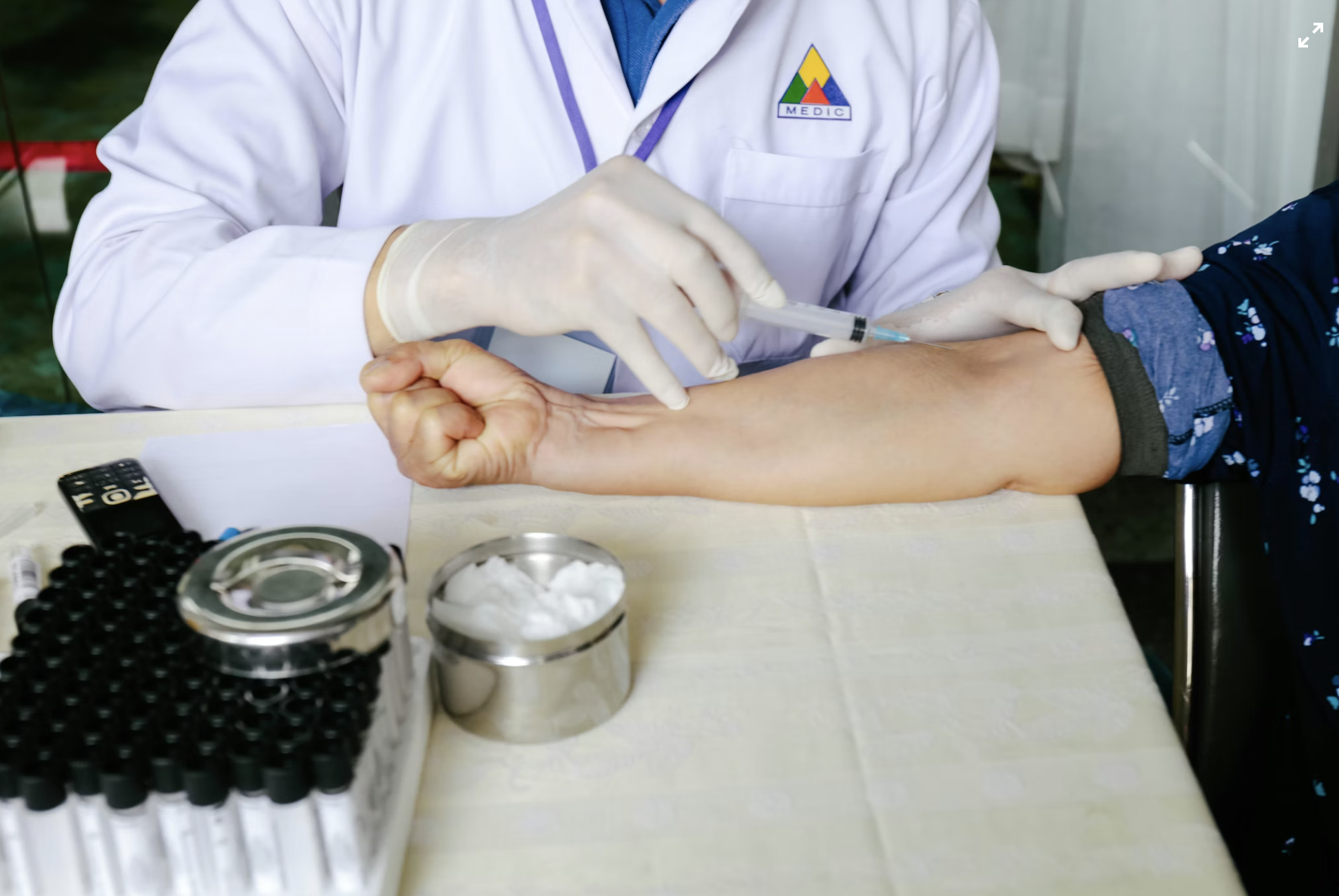
Preventative Care in Healthcare

What Is Preventive Care and Why Most Patients Skip It

Posted 17 May 2026 · Updated 17 May 2026 · 10 min read

What Is Preventive Care and Why Most Patients Skip It

Preventive care is medical care designed to detect or prevent illness before symptoms appear, and most qualifying health plans cover a defined set of preventive services at no cost to the patient. Here is what preventive care actually includes and why most people skip it anyway.

Preventive care includes screenings, vaccines, checkups, and health counseling designed to help patients stay healthy and catch problems early, according to the Centers for Medicare and Medicaid Services (CMS). Most qualifying health plans in the United States are required to cover these services at no cost to the patient, according to HealthCare.gov, yet screening rates for blood pressure, cholesterol, blood glucose, and several common cancers were lower in 2021 than in 2019, according to a study published in PMC.

Article Summary
Key Takeaways
01
Preventive care includes screenings, vaccines, annual checkups, and health counseling designed to detect or prevent illness before symptoms develop, and CMS confirms these services are a core component of modern healthcare coverage.
Definition
02
Most qualifying health plans are required to cover a defined set of preventive services at no cost to the patient under current US law, according to HealthCare.gov, removing the financial barrier most patients cite for skipping care.
Coverage
03
Screening rates for blood pressure, cholesterol, blood glucose, and common cancers dropped between 2019 and 2021, according to a PMC study, revealing a measurable and ongoing gap in preventive care utilization.
Utilization Gap
04
Preventive care operates across three levels, primary, secondary, and tertiary, each targeting a different stage in the relationship between a patient and a potential health problem.
Care Levels
05
The most common reasons patients skip preventive care are perceived cost, time constraints, and the absence of symptoms, all of which create risk that compounds quietly until a condition is detected at a more serious stage.
Barriers

What Is Preventive Care?

Preventive care is medical care focused on maintaining health and preventing illness rather than treating it after it develops. According to CMS, preventive care services include screenings, checkups, vaccines, and patient counseling designed to prevent illness, disease, or other health problems before they begin.

The MSD Manuals define preventive care as any measure that reduces the risk of disease or detects it at a stage when it is most treatable, including lifestyle modifications, immunizations, and routine physical examinations. This definition captures what most people experience in practice: a yearly appointment, a blood test, a vaccination, or a conversation with a doctor about diet or mental health.

The Three Levels of Preventive Care
Level 01, Primary

Stop It Before It Starts

Vaccines, nutrition counseling, smoking cessation programs, and lifestyle guidance. Reduces the likelihood that a condition develops at all.

Level 02, Secondary

Catch It Early

Blood pressure checks, cholesterol tests, mammograms, colonoscopies, and cancer screenings. Detects conditions before symptoms appear.

Level 03, Tertiary

Manage What Exists

Diabetes management, cardiac rehabilitation, and physical therapy. Prevents existing conditions from worsening or causing complications.

Preventive Care vs Reactive Care

The distinction between preventive and reactive care is straightforward: preventive care happens before a problem is urgent, reactive care happens after it is. The MSD Manuals note that early detection of conditions like hypertension, diabetes, and several common cancers dramatically improves treatment outcomes and reduces the intensity of care required.

The financial case points in the same direction. A blood pressure check costs far less than emergency care following an untreated hypertension event. A colonoscopy costs far less than late-stage colon cancer treatment. HealthCare.gov confirms that under qualifying health plans, many of these preventive services are covered at no cost to the patient, making the cost argument for skipping them increasingly difficult to sustain.

The Cost of Waiting
PREVENTIVE CARE
Annual Wellness Visit
$0
Covered at no cost under most qualifying health plans, per HealthCare.gov. Takes 30 to 60 minutes once a year.
Blood pressure check included
Cholesterol and glucose screening
Cancer screenings by age group
Vaccine review and update
REACTIVE CARE
Emergency or Late-Stage Treatment
Much higher
Conditions detected at advanced stages require more intensive, longer, and more costly treatment than those caught early.
Hypertension crisis, ER required
Late-stage cancer treatment
Unmanaged diabetes complications
Hospitalization and specialist referrals

Why Most Patients Skip Preventive Care

Despite expanded coverage and strong evidence, a meaningful portion of patients do not use the preventive care available to them. A PMC study confirmed that screening rates for blood pressure, cholesterol, blood glucose, and common cancers were lower in 2021 than in 2019. The CDC's data on preventive service utilization confirms that routine medical visits and screenings lag behind recommended rates across multiple population groups.

The Four Most Common Barriers
Perceived Cost
$0

The reality: HealthCare.gov confirms that under qualifying health plans, most preventive services must be covered without a copayment, coinsurance, or deductible when delivered by an in-network provider. Many patients who cite cost as a barrier are entitled to these services at no charge and do not know it.

No Time

One annual visit takes less than an hour. An undetected chronic condition requires significantly more time, appointments, and disruption over a lifetime.

No Symptoms

High blood pressure and early-stage cancers are clinically silent. The CDC confirms that waiting for symptoms to appear removes the opportunity for the most effective early intervention.

No Primary Care Provider

The CDC confirms that having a regular doctor is one of the strongest predictors of preventive care utilization. Without one, there is no natural entry point for screenings or wellness visits.

Your Preventive Care Roadmap by Age

Preventive care needs change across a lifetime. The US Preventive Services Task Force (USPSTF) and CDC publish age-based guidelines for screenings and vaccines. The roadmap below reflects the most widely recommended preventive services by life stage, based on public health guidance.
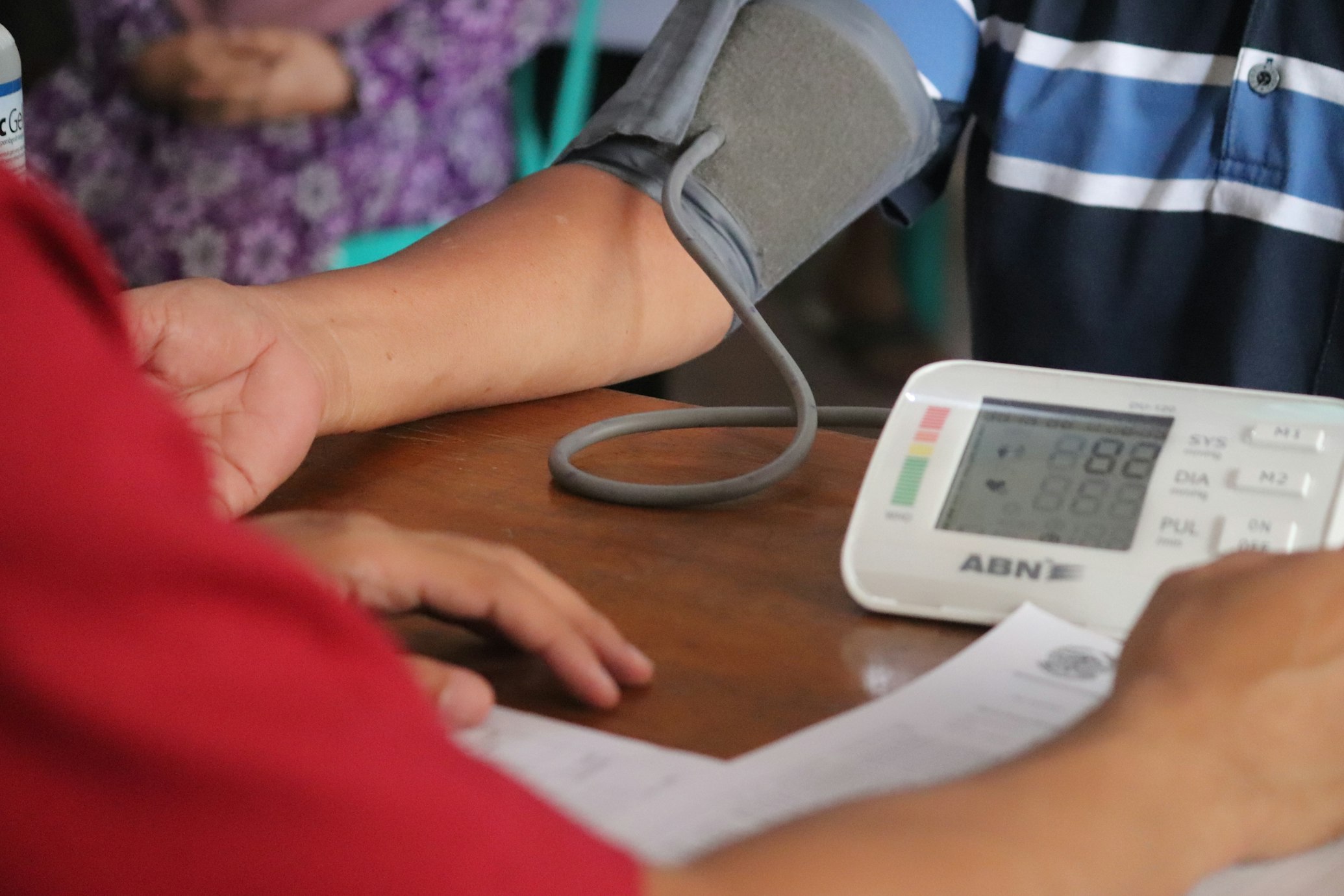
Age-Based Guide
Preventive Care Across Your Lifespan
20s & 30s
Foundation, Building the Baseline
Annual wellness visit Blood pressure check Cholesterol screening STI screenings Mental health counseling HPV vaccine (through age 26) Annual flu vaccine
40s & 50s
Detection, Screenings Become Critical
Diabetes screening Mammogram (from 40) Colorectal cancer screening (from 45) Blood glucose test Skin cancer check Blood pressure monitoring
60s +
Protection, Managing and Monitoring
Bone density scan Shingles vaccine Pneumococcal vaccine Increased cardiac monitoring Vision and hearing checks Cognitive health assessment


Preventive Care, Part 2

How to Take the First Step

For patients who have delayed preventive care, returning to routine screenings does not require a dramatic shift in behavior. It requires a single appointment. The CDC and HealthCare.gov both confirm that patients with qualifying coverage are entitled to a defined set of preventive services at no cost, the barrier is rarely financial, and is usually inertia.

1
Check what is covered under your plan
HealthCare.gov provides a searchable list of preventive services covered at no cost under qualifying plans. Most patients are entitled to more coverage than they realize.
2
Book an annual wellness visit
An annual checkup with a primary care provider is the entry point for most preventive services. The provider will recommend screenings appropriate for your age, sex, and risk profile.
3
Stay current on vaccines
The CDC publishes adult vaccine schedules. Many pharmacies administer vaccines without an appointment, removing the scheduling friction that prevents patients from staying current.
4
Ask about screenings you may have missed
A straightforward conversation at a wellness visit is enough to identify any screenings that are overdue and schedule them before the appointment ends.
5
Keep a record
Tracking previous screenings, vaccines, and test results helps patients and providers identify gaps and ensures continuity of care across health systems.
!
Coverage Alert

HealthCare.gov confirms that under qualifying health plans, most preventive services must be covered without a copayment, coinsurance, or deductible when delivered by an in-network provider. Patients who cite cost as the reason for skipping care may be entitled to these services at no charge.

$0
Cost for most preventive services under qualifying plans (HealthCare.gov)
2019–21
Screening rates dropped across blood pressure, cholesterol, and cancers (PMC 2024)
Annual
Recommended frequency for wellness visits across all adult age groups (CDC)
Source: HealthCare.gov · PMC 2024 · CDC
HosTalky
HIPAA Compliant
"

Clear communication between patients and care teams is what makes preventive care actually happen. HosTalky's structured messaging and reminder tools help clinical teams follow up on missed screenings, confirm appointment attendance, and keep patients connected to their preventive care schedule, so nothing falls through the gaps between visits.

Built to keep patients and care teams connected between appointments.

See how it works →
Got questions?
FAQs
01What is preventive care?
Preventive care is medical care focused on maintaining health and preventing illness before symptoms develop. According to CMS, it includes screenings, vaccines, checkups, and health counseling. Most qualifying health plans in the United States are required to cover a defined set of preventive services at no cost to the patient.
02Is preventive care covered by insurance?
Yes, for most qualifying health plans. HealthCare.gov confirms that many health plans must cover preventive services, including blood pressure checks, cholesterol tests, cancer screenings, and vaccines, without a copayment, coinsurance, or deductible when delivered by an in-network provider.
03Why do people skip preventive care?
The most common reasons are perceived cost, the absence of symptoms, time constraints, and not having a regular primary care provider. A PMC study confirmed that screening rates dropped between 2019 and 2021 across multiple conditions, revealing that utilization gaps are widespread and often structural rather than purely individual.
04What is the difference between preventive and reactive care?
Preventive care happens before a problem develops or at its earliest detectable stage. Reactive care addresses a condition after it has produced symptoms or a health crisis. Early detection through preventive screening produces better outcomes and lower treatment costs for conditions including hypertension, diabetes, and several common cancers.
05How often should I get preventive care?
Frequency depends on age, sex, and individual risk factors. Most adults benefit from an annual wellness visit with a primary care provider, who can recommend screenings and vaccines appropriate to the patient's profile. The CDC and US Preventive Services Task Force publish age-based guidelines for specific screenings.

The Bottom Line

Preventive care is not a precaution for people with existing health concerns. It is the most reliable tool available for catching problems early, maintaining health across a lifetime, and avoiding the far higher cost of conditions that go undetected until they require urgent treatment. Most patients with qualifying health plans can access a meaningful set of preventive services at no cost. The barrier is rarely financial. It is usually inertia, and a single appointment is enough to overcome it.

HIPAA Compliant
Keep Your Patients Connected to Their Preventive Care
HosTalky helps clinical teams follow up on missed screenings, send structured reminders, and maintain communication continuity between appointments, so preventive care gaps close before they become health crises.
Structured patient follow-up
Screening reminder workflows
HIPAA-compliant messaging
Works across care teams and locations


Hanna Mae Rico

Written by

Hanna Mae Rico

Hanna Mae Rico is a healthcare communications writer covering clinical operations, patient safety, and the systems shaping frontline care delivery. Her work focuses on translating complex healthcare communication challenges into practical insights for nurses, hospital leaders, and clinical teams navigating high-pressure care environments.

View all articles by Hanna ->