

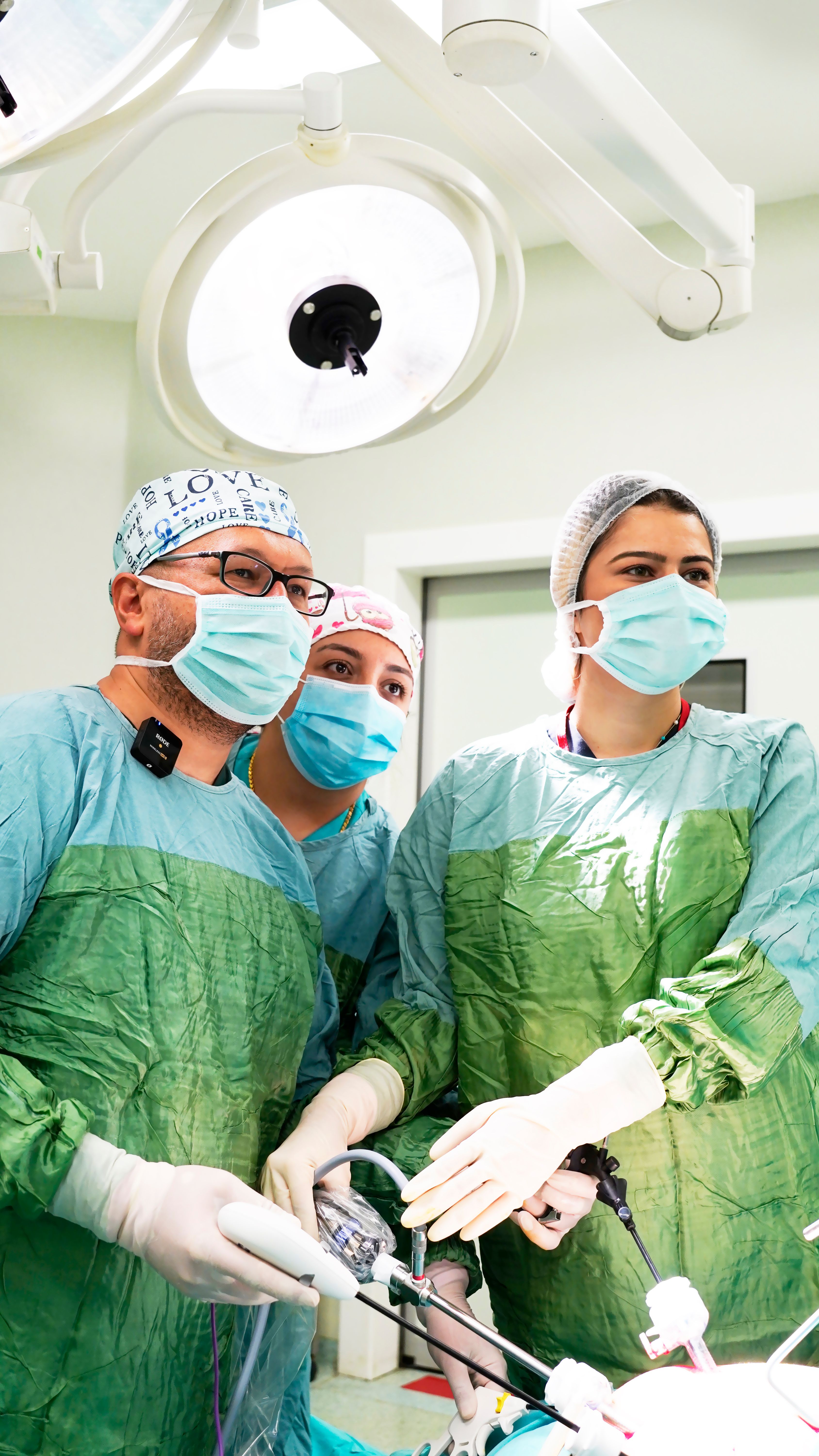
Why Teamwork Matters in Healthcare
Wondering how to elevate patient care and build a more effective healthcare environment? The answer is teamwork. Communication, respect, and clear roles reduce medical errors, cut costs, and improve outcomes, backed by real evidence, not just good intentions.
In an increasingly complex medical landscape, collaboration isn't a soft skill. It's essential to patient outcomes and staff wellbeing. This article covers the research and case studies that show why.
What Is Healthcare Teamwork?
Healthcare teamwork means professionals from different disciplines coordinating to provide the best possible care. This includes shared decision-making, open communication, mutual respect, clearly defined roles, and collective accountability.
Every voice on the team informs the plan of care
Information flows freely, not just top-down
Every role is treated as essential, not secondary
No ambiguity about who owns what
Outcomes are owned by the team, not one person
The World Health Organization identifies interprofessional collaboration as a key strategy for strengthening health systems globally.
Teamwork and Patient Safety

Effective teamwork is a critical factor in patient safety. Communication breakdowns, a common symptom of poor teamwork, are a leading cause of medical errors and adverse events.
Structured team training has proven effective at reducing this risk. A retrospective study at a US Veterans Affairs Hospital reported an 18% reduction in inpatient surgical mortality after implementing team training. The Joint Commission has found that communication failures contribute to 60-70% of serious patient safety incidents, known as sentinel events.
Teamwork and Quality of Care
Beyond safety, strong teamwork translates directly into better care quality. When professionals collaborate effectively, with clear roles, mutual trust, and shared information, patients experience measurably better outcomes: less postoperative pain, better functional recovery, and shorter hospital stays.
Teamwork and Patient Satisfaction
Patient satisfaction, increasingly tied to hospital reimbursement, is significantly shaped by how well the care team functions. Patients who see their care team as cohesive and communicative consistently report higher satisfaction with their care. More on this in Poor Communication in Healthcare: Cost & Solutions.
Teamwork and Staff Wellbeing
The benefits extend to the workforce too. Effective collaboration is a real antidote to burnout and a genuine driver of job satisfaction. One study found 58% of highly engaged employees ranked in the top quartile for patient safety culture scores.
What Makes a High-Performing Healthcare Team
| Element | What It Actually Means |
|---|---|
| Collaborative mindset | Moving beyond individual silos to build genuinely respectful working relationships. See How to Break Medical Hierarchies. |
| Psychological safety | A concept defined by researcher Amy Edmondson: team members feel safe to speak up and admit mistakes without fear of punishment. |
| Clear roles & communication | Everyone shares a clear understanding of who does what. Team huddles maintain this clarity in practice. |
| Team situation awareness | The collective ability to notice what's happening and anticipate what comes next, requiring input from every member. |
Real-World Evidence
A documented anesthesiology case involved poor communication and uncoordinated actions leading to permanent facial nerve damage in a patient, a stark example of what teamwork failure actually costs in human terms.
A closed-claims analysis published in the Journal of Healthcare Risk Management, covering an 11-year span and millions of patient visits, found that 43% of malpractice cases resulting in settlements could have been prevented by better teamwork.
TeamSTEPPS in Rural Hospitals
| Outcome | Result |
|---|---|
| Adverse events | 30% reduction |
| Communication scores | Improved |
| Staff confidence in emergencies | Increased |
TeamSTEPPS (Team Strategies and Tools to Enhance Performance and Patient Safety) was developed by the Agency for Healthcare Research and Quality (AHRQ).
Connection Built Into Every Shift
HosTalky's secure chats, priority reminders, and broadcast alerts keep care teams aligned, so critical updates never get lost in the shuffle.
See How HosTalky WorksKey Takeaways
- Teamwork measurably improves patient outcomes and reduces medical errors.
- Communication, respect, and clear roles are essential to effective teams.
- Structured training programs like TeamSTEPPS show real, documented results.
- Poor teamwork is a genuine financial liability, not just a clinical risk.
- Teamwork benefits extend to staff wellbeing, not just patients.
FAQs
How many deaths are linked to preventable medical errors in the US?
The Institute of Medicine's landmark 1999 report, To Err Is Human, estimated between 44,000 and 98,000 deaths per year in US hospitals from preventable medical errors. Many of these trace back to communication breakdowns between team members.
What percentage of sentinel events are linked to communication failure?
The Joint Commission has found that communication failures contribute to 60-70% of serious patient safety incidents, known as sentinel events.
What is psychological safety and why does it matter in healthcare teams?
Psychological safety, a concept defined by researcher Amy Edmondson, describes an environment where team members feel safe to speak up, ask questions, and admit mistakes without fear of punishment. This directly enables error reporting and continuous learning.
How much does poor teamwork actually cost healthcare systems?
An 11-year closed-claims analysis covering millions of patient visits found that 43% of malpractice cases resulting in settlements could have been prevented by better teamwork.
Does TeamSTEPPS training actually work in real hospitals?
Yes. In rural hospital implementations, TeamSTEPPS led to a 30% reduction in adverse events, improved communication scores, and increased staff confidence during emergencies.
Sources & References
▾