

Hospital in the Home' Launches in Southern NSW
The landscape of Australian healthcare is undergoing a digital transformation, shifting the focus from traditional ward-based recovery to the comfort of the living room. This month, the Southern NSW Local Health District (SNSWLHD) officially launched its "Hospital in the Home" (HITH) program.
It integrated advanced remote patient monitoring (RPM) technology from Philips Australia and Singaporean startup Respiree. The initiative aims to provide hospital-grade care while alleviating the mounting pressure on emergency departments.
A New Era of Digitally Enabled Care
For residents in the Bega Valley, Eurobodalla, Goulburn, and Queanbeyan, the traditional hospital stay is being reimagined. The HITH model enables patients with conditions such as pneumonia, cellulitis, deep vein thrombosis (DVT), and urinary tract infections (UTIs) to be managed safely at home.
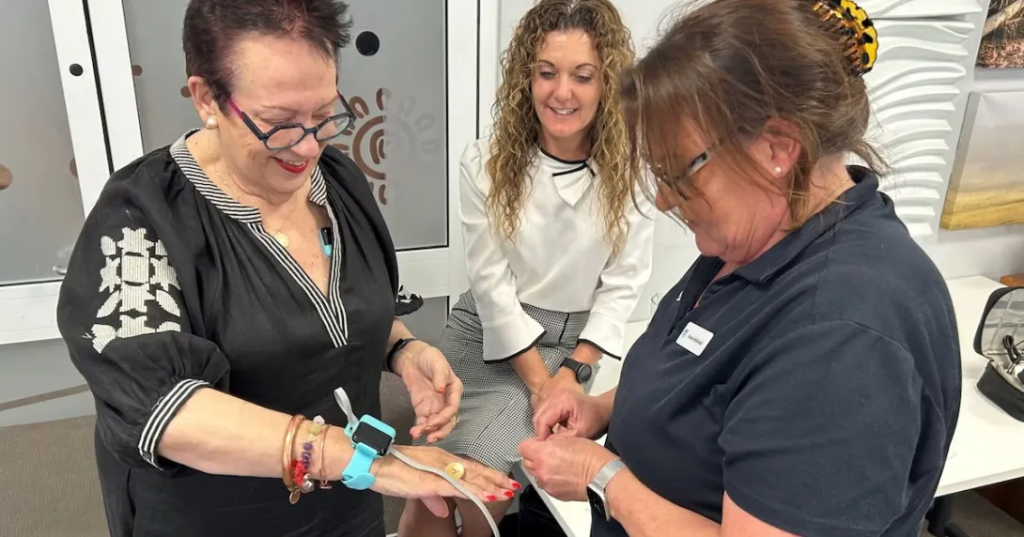
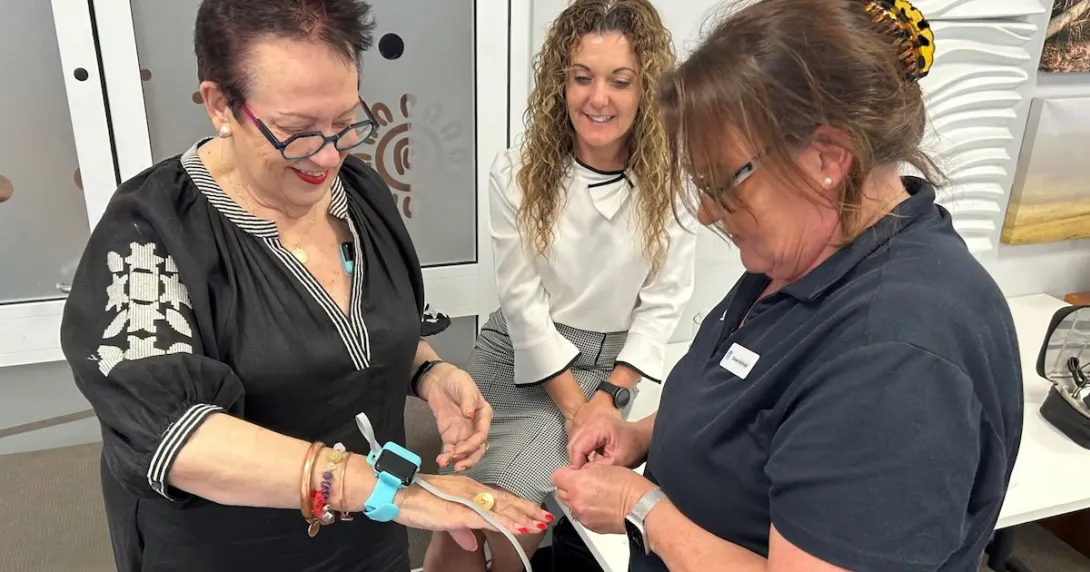
Unlike previous remote programs that relied on intermittent "spot-checks," this new rollout features continuous, near-real-time monitoring. Patients are equipped with a wearable cardiorespiratory IoT device that tracks vital signs—including breathing rate, oxygen saturation, heart rate, and blood pressure—and transmits data directly to a clinical command centre.
This model ensures patients in our district receive equitable, timely, and high-quality care across southern NSW,"
Says Margaret Bennett, SNSWLHD Chief Executive.
The Power of AI and Precision Monitoring
At the heart of this initiative is a partnership with Philips Australia and Respiree. The system uses AI algorithms to detect early signs of patient deterioration, enabling medical teams to intervene before a situation becomes critical.
One of the most significant hurdles in remote monitoring has historically been "alarm fatigue"—where clinicians are overwhelmed by false alerts. According to Helen Callum, Clinical Consultant at Philips ANZ, the Respiree solution reduces the likelihood of false alarms 10-fold.
Key Technical Features of the HITH System:
- Continuous Data Flow: Near-real-time vital sign tracking rather than manual entries.
- AI-Driven Triage: Algorithms that flag risk levels based on clinical metrics.
- Customisable Escalation: Alerts are sent simultaneously to clinical teams and the patient, tailored to the specific needs of the patient cohort.
- Holistic Support: Inclusion of home oxygen services and transport for hospital appointments.
Why "Home" is the Best Medicine
The clinical benefits of home recovery are well documented. Summa Stephens, Director of Nursing and Midwifery at SNSWLHD, emphasizes that patients simply "recover better when they’re in a familiar environment." Being surrounded by family and home comforts reduces the psychological stress often associated with long hospital stays.
From a systemic perspective, the "Hospital in the Home" program addresses three critical areas:
- Bed Availability: By treating non-acute cases at home, physical hospital beds are preserved for trauma and emergency surgery.
- Early Intervention: Continuous data allows clinicians to enact "right time treatment plans," preventing avoidable readmissions.
- Efficiency: The Philips Future Health Index 2025 highlights that Australian healthcare professionals lose significant time to data inefficiencies. This consolidated dashboard reduces administrative burdens, giving nurses and doctors more time for actual patient care.
Alignment with the NSW Virtual Care Strategy
The launch in Southern NSW is not an isolated event but a key pillar of the five-year NSW Virtual Care Strategy. Since 2021, NSW Health has been aggressively scaling virtual pathways to combat issues like ambulance ramping and overcrowding in Emergency Departments (ED).
This rollout follows other successful virtual initiatives in the state, such as the Virtual Rural Generalist Service and the expansion of the urgent virtual health service for children. By embracing the "Hospital in the Home" model, Southern NSW is setting a benchmark for how regional healthcare can overcome geographical barriers through technology.
Future Outlook
With the initial rollout covering the Bega Valley and Goulburn regions, the SNSWLHD plans to expand the service to the Snowy Monaro and Yass Valley shortly. As AI in healthcare continues to refine the precision of remote monitoring, the line between the hospital ward and the home will continue to blur, leading to a more resilient, patient-centric healthcare system.
The success of this program serves as a promising case study for other regional health districts across Australia looking to modernise their delivery models.